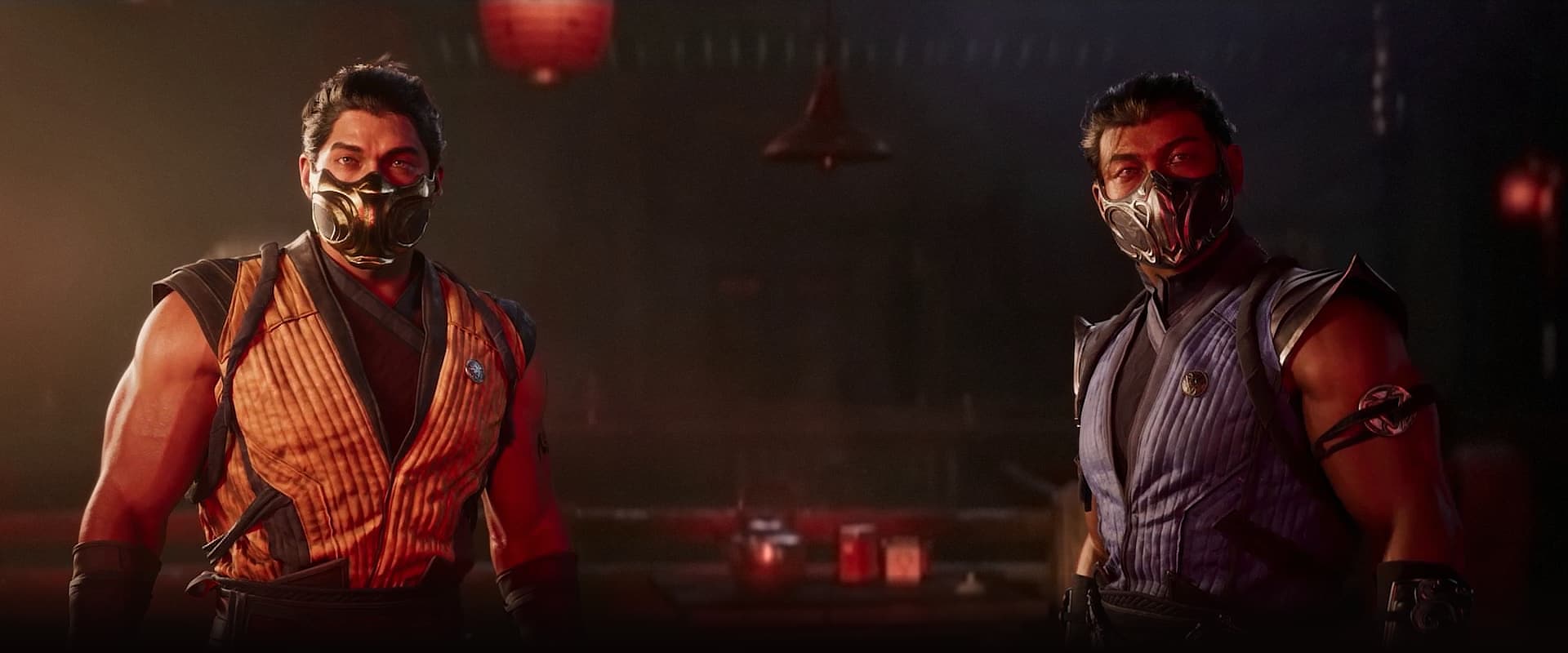
Mortal Kombat Games
Every Mortal Kombat game in release order, the studios behind them, how the timelines connect and where to start.
- First Release
- 1 August 1992
- Latest Release
- 19 September 2023
- Publisher
- Warner Bros. Games
- Studios
- NetherRealm Studios (earlier games by Midway)
- Genre
- Fighting game
- Games
- 14
- Platforms
- PC • PlayStation • Xbox • Nintendo
Image: NetherRealm Studios and Warner Bros. Games
Top Mortal Kombat Games
Four standout games that show the range of the series, from the arcade to the newest timeline. They were chosen for their gameplay, quality and influence on the series.
Mortal Kombat 12023
The newest game and the best place to start, with a new timeline and Kameo partner fighters.
Mortal Kombat 112019
The best-selling game in the series, with a time-travel story, customizable fighters and the Aftermath expansion.
Mortal Kombat X2015
A sequel set 25 years later, with three variations per fighter and Cassie Cage at the centre of the story.
Mortal Kombat II1994
The 1993 arcade sequel that added Kitana, Mileena and Shao Kahn, and is still counted among the best in the series.
Mortal Kombat is a fighting series built around a tournament that decides the fate of the realms. You pick a fighter such as Liu Kang, Sub-Zero, Scorpion or Raiden and win with fast combos, special moves and the gory finishing moves called Fatalities.
It began as a Midway arcade game in 1992 and was made by Ed Boon and John Tobias. After Midway's bankruptcy, Warner Bros. took over the team, which became NetherRealm Studios and has made every game since 2011.
This page lists the games in release order, gives each main game its own section, covers the spin-offs and explains how the timelines connect and where to start. Every game with its own page here links to its release details, platforms and the latest news.
Mortal Kombat Games in Release Order
Explore every main Mortal Kombat game in release order, with each game's release year, studio and platforms.
011992
Mortal Kombat
The arcade original. Seven fighters, a tournament that ends with Goro and Shang Tsung, and the first Fatalities.
021993
Mortal Kombat II
The tournament moves to Outworld and ends against Shao Kahn, with Kitana, Mileena and Kung Lao joining the cast.
031995
Mortal Kombat 3
Shao Kahn invades Earthrealm with the resurrected Sindel. It added the Run button, combos and Animalities.
041995
Ultimate Mortal Kombat 3
A standalone update of Mortal Kombat 3 that brings back fighters such as Scorpion, Kitana and Reptile.
051996
Mortal Kombat Trilogy
The second update to Mortal Kombat 3, adding fighters and stages from the first two games and the Aggressor bar.
061997
Mortal Kombat 4
The first 3D game and the last in arcades, with weapons and the corrupted Elder God Shinnok as the villain.
072002
Mortal Kombat: Deadly Alliance
The first all-new game made for consoles only, as Quan Chi and Shang Tsung team up to raise an ancient army.
082004
Mortal Kombat: Deception
The dragon king Onaga returns, in a game with online play, chess and puzzle minigames and the Konquest mode.
092006
Mortal Kombat: Armageddon
The last game of the original storyline, with almost every fighter, a Kreate a Fighter mode and the Motor Kombat racer.
102008
Mortal Kombat vs. DC Universe
A crossover in which Mortal Kombat and DC heroes and villains fight as the two universes merge.
112011
Mortal Kombat
A soft reboot from NetherRealm that retells the first three games, with a super meter and X-ray moves.
122015
Mortal Kombat X
The story jumps 25 years ahead with Cassie Cage, and each fighter gets three variations.
132019
Mortal Kombat 11
Kronika rewrites time. The game adds a customization system, Fatal Blows and the Aftermath expansion.
142023
Mortal Kombat 1
A reboot in a new timeline built by the Fire God Liu Kang, with Kameo partners, the Invasions mode and the Khaos Reigns expansion.
How to Play the Mortal Kombat Games
Release order is the simplest way to play, and it is the order of the Release Order list above. The story has three parts, though. The original timeline runs from the 1992 game to Armageddon in 2006. The 2011 game then retells the first three games with Raiden's changes, and its story carries on through Mortal Kombat X and Mortal Kombat 11. Mortal Kombat 1 starts a new timeline. Mortal Kombat vs. DC Universe is a crossover outside the main story, and the spin-offs are side stories.
Start with Mortal Kombat 1, the newest game, which needs no earlier story. For the most content in one game, Mortal Kombat 11 has the story, the Aftermath expansion and a customization system, and it is the best-selling game in the series. Mortal Kombat X and Mortal Kombat (2011) are the way into the story between the two. For the old arcade fighters, Mortal Kombat II is the one most players pick, and Mortal Kombat: Legacy Kollection gathers the early games on current consoles.
Mortal Kombat (1992)
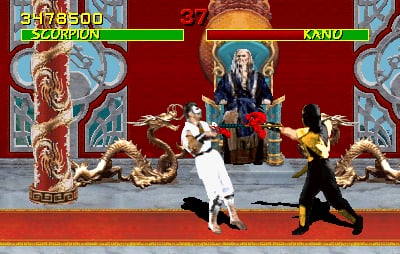
Mortal Kombat arrived in arcades in August 1992 from Midway. Ed Boon programmed it and co-designed it with John Tobias, and the fighters were digitized sprites based on real actors, and the game was known for its realistic look. Seven fighters are playable, among them Liu Kang, Sonya Blade, Johnny Cage, Scorpion, Sub-Zero and Raiden, and you work through a tournament that ends with the sub-boss Goro and the sorcerer Shang Tsung.
It introduced the five-button controls and the Fatalities, and its gore drew criticism from parents and officials. Congressional hearings in 1992 and 1993 pushed the industry to create a rating system, which led to the Entertainment Software Rating Board. Acclaim released the Super NES, Genesis, Game Boy and Game Gear versions on 13 September 1993, a launch promoted as Mortal Monday.
Mortal Kombat II
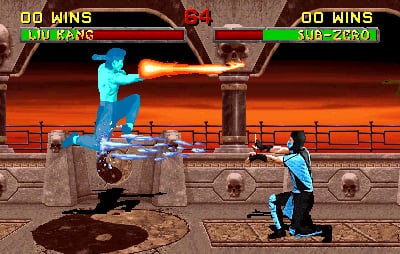
Mortal Kombat II followed in 1993 and continues the first game's story. The tournament moves to Outworld, where the fighters of Earthrealm and Outworld work their way up to the emperor Shao Kahn.
It added Kitana, Mileena, Kung Lao, the hidden Noob Saibot and Shao Kahn himself, and widened the finishers with several Fatalities per fighter, plus the lighter Babality and Friendship. It is often cited as one of the best games in the series.
Mortal Kombat 3
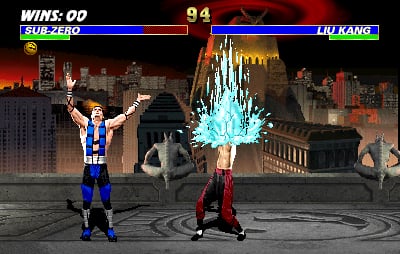
Mortal Kombat 3, released by Midway in 1995, drops the tournament. Shao Kahn has brought back Sindel and invades Earthrealm, and the fighters must stop him.
It brought a Run button, combos and the animal-themed Animality finishers. It is the only main game without Scorpion, a gap that Midway filled with two updates, Ultimate Mortal Kombat 3 in 1995 and Mortal Kombat Trilogy in 1996, which bring back the missing fighters and, in Trilogy, others from the first two games.
Mortal Kombat 4
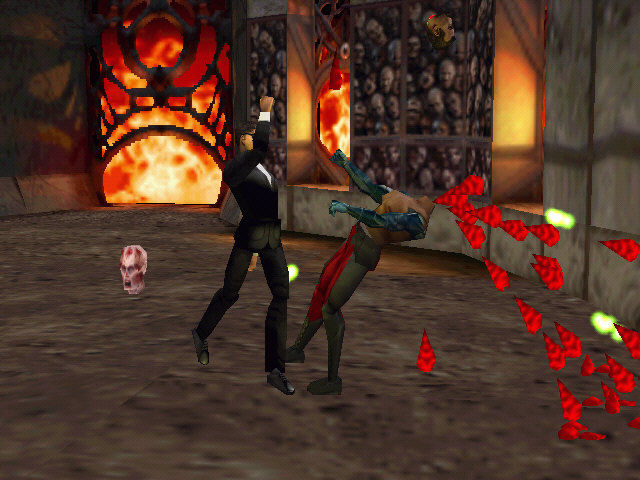
Mortal Kombat 4, a Midway arcade game from 1997, is the first in the series in 3D and the last to appear in arcades. The corrupted Elder God Shinnok attacks the realms he was banished from, and the forces of light and darkness fight over them.
It added weapons and objects you can use mid-fight, and Ed Boon has said the team wanted a more violent game with fewer comic finishers. It reached PlayStation, Nintendo 64, Windows and Game Boy Color in 1998, and an updated version, Mortal Kombat Gold, came to Dreamcast in 1999.
Mortal Kombat: Deadly Alliance
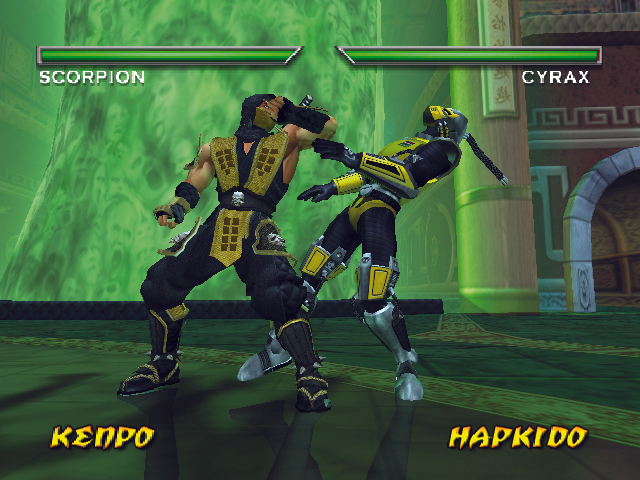
Mortal Kombat: Deadly Alliance, from Midway in 2002, was the first all-new Mortal Kombat made only for home consoles, with no arcade release before it. It came to Xbox, PlayStation 2, GameCube and Game Boy Advance.
The sorcerers Quan Chi and Shang Tsung form the alliance of the title and plot to revive an ancient army to conquer Outworld and Earthrealm. It is the only main game in which Liu Kang cannot be played, and the first without co-creator John Tobias.
Mortal Kombat: Deception
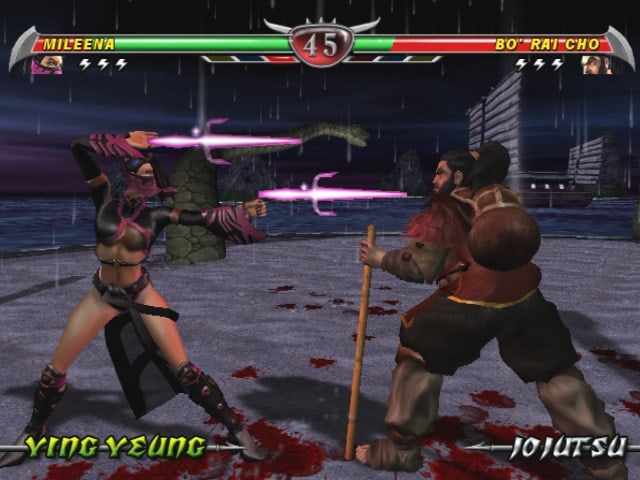
Mortal Kombat: Deception followed in October 2004 on PlayStation 2 and Xbox, and reached GameCube in 2005. The dragon king Onaga has been brought back and defeats Raiden, Quan Chi and Shang Tsung, so the surviving fighters of the earlier games join forces against him.
It has online play, chess and puzzle minigames, and a Konquest mode that follows Shujinko, a warrior Onaga tricks into collecting artifacts. It is often called the first fighting game with online multiplayer, and it was nominated for best fighting game of 2004 by several publications.
Mortal Kombat: Armageddon
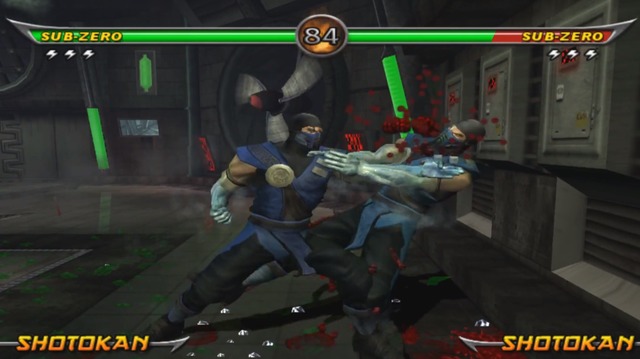
Mortal Kombat: Armageddon came out in 2006 on PlayStation 2 and Xbox, with a Wii version later. It closes the original storyline: the warrior Taven sets out to defeat his evil brother Daegon, leading up to the Armageddon war that decides the fate of the Mortal Kombat universe.
It has almost every fighter from the earlier games, a Kreate a Fighter mode and a Fatality you build from a series of gory attacks. Konquest returns with Taven, and Motor Kombat is a cartoonish kart racer inspired by Mario Kart. It was the last Mortal Kombat game for sixth-generation consoles.
Mortal Kombat vs. DC Universe
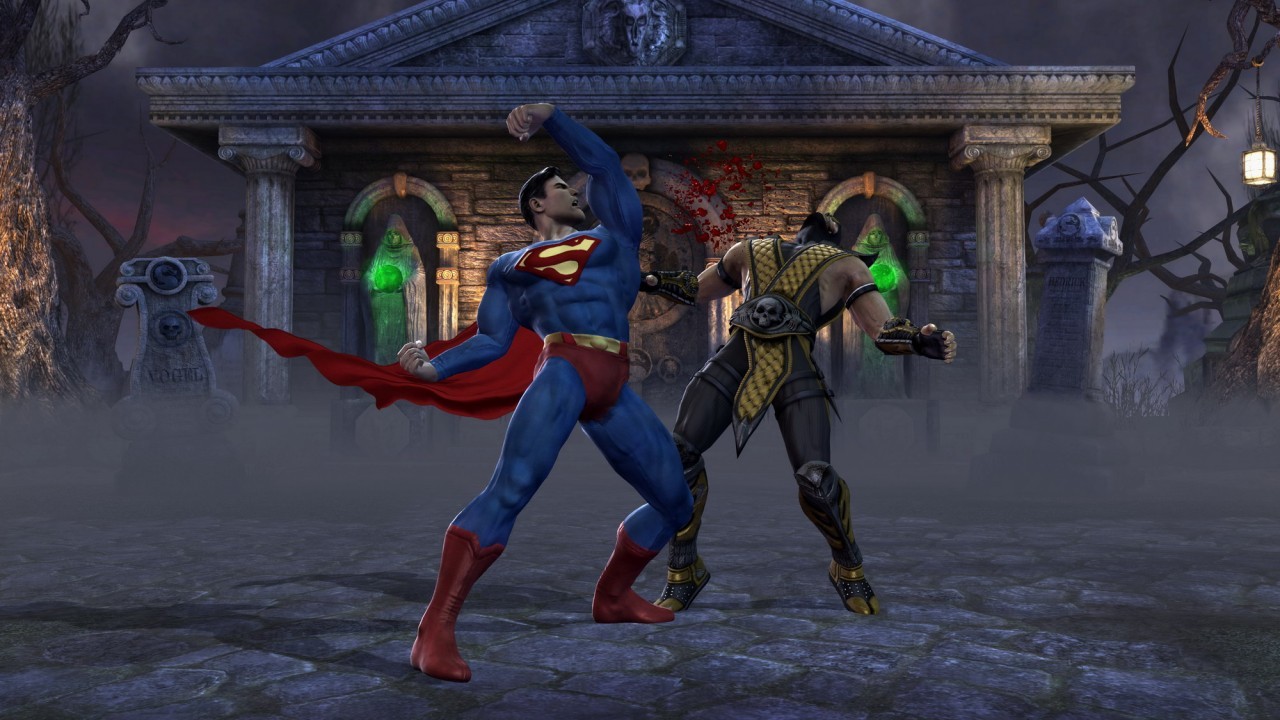
Mortal Kombat vs. DC Universe, released by Midway in November 2008 for PlayStation 3 and Xbox 360, is a crossover with the DC Universe, built on Unreal Engine 3. When Raiden and Superman repel invasions of their worlds, Shao Kahn and Darkseid merge into Dark Kahn and the two universes begin to merge with them.
Reviews were mixed to positive: critics found it entertaining and praised its use of the DC license, but missed the unlockables of earlier games and found the finishing moves toned down. It was the last game Midway made before it went bankrupt in 2009.
Mortal Kombat (2011)
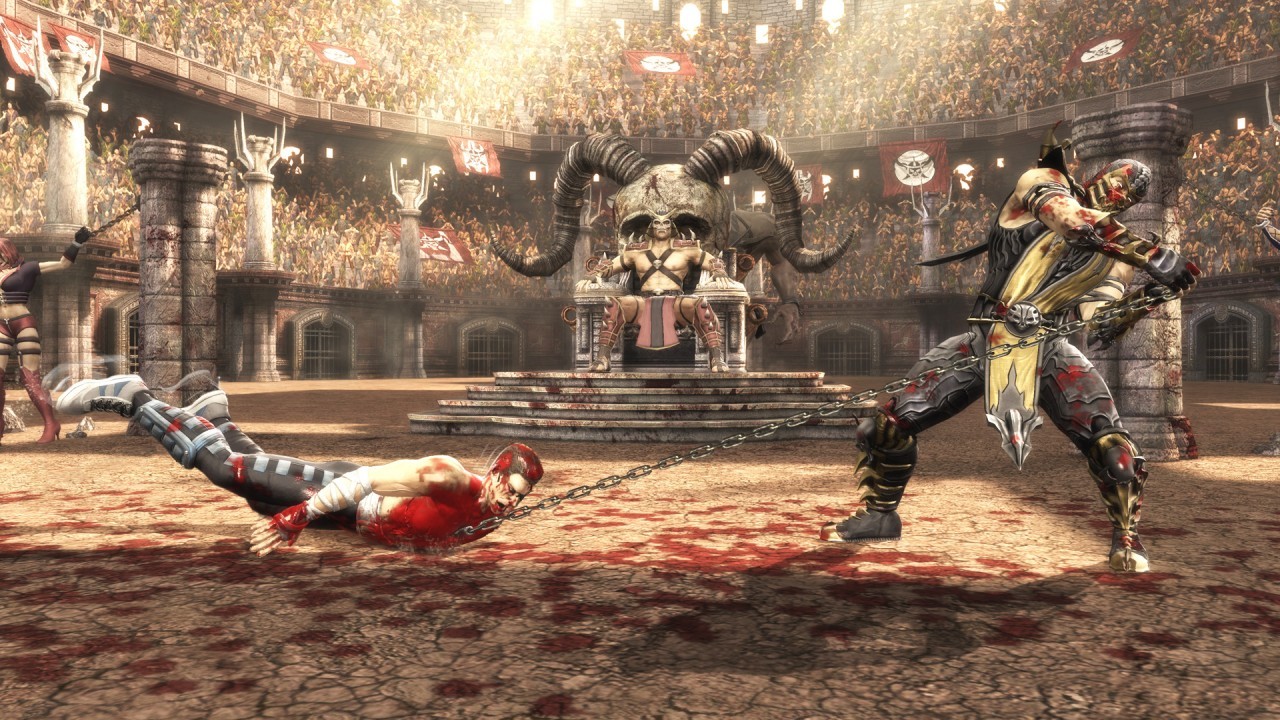
Mortal Kombat, released in April 2011 on PlayStation 3 and Xbox 360, was the first game from the newly formed NetherRealm Studios, published by Warner Bros. Interactive Entertainment. It is a soft reboot: Raiden contacts his past self, and the story retells the events of the first three games.
Fighters and stages are 3D but the fight is played on a flat plane, as in the older games. A super meter powers enhanced specials and the X-ray moves that show bones breaking, and there is a four-player tag mode and a Challenge Tower with 300 challenges. It sold a million copies in its first month, and the Komplete Edition with all downloadable content followed in 2012, reaching Windows in 2013.
Mortal Kombat X
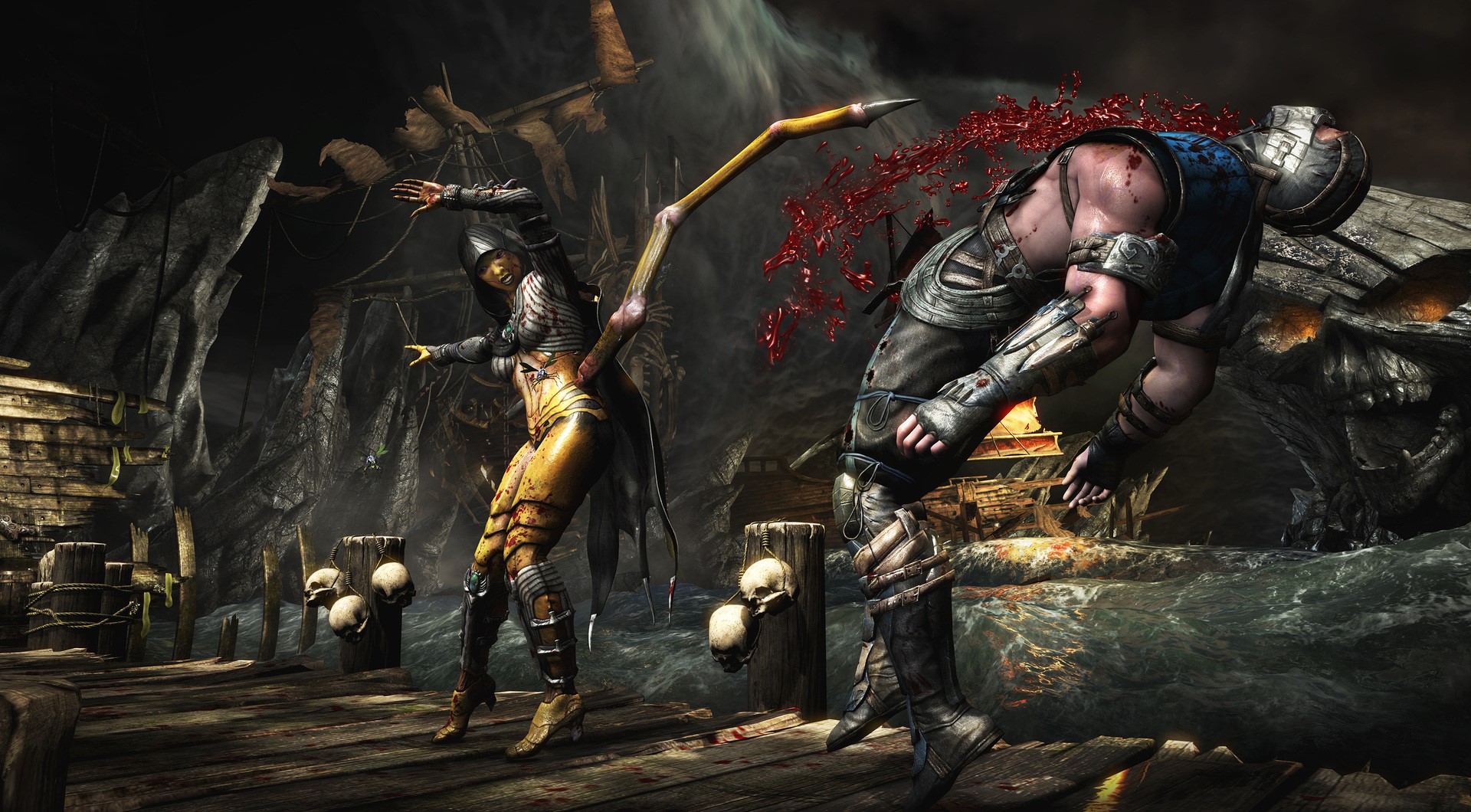
Mortal Kombat X launched in April 2015 on Windows, PlayStation 4 and Xbox One. The story picks up 25 years after the 2011 game, and Cassie Cage, the daughter of Johnny Cage and Sonya Blade, leads a young team against Shinnok and his Netherrealm demons.
Each fighter has three variations with different moves, so Scorpion can be a swordsman, a hellfire user or a summoner of hellspawn. Faction Wars lets you join one of five factions in a persistent online contest. Versions for PlayStation 3 and Xbox 360 were cancelled in August 2015, and an updated XL version arrived in 2016. The console versions were praised and the game sold more than 10 million copies.
Mortal Kombat 11
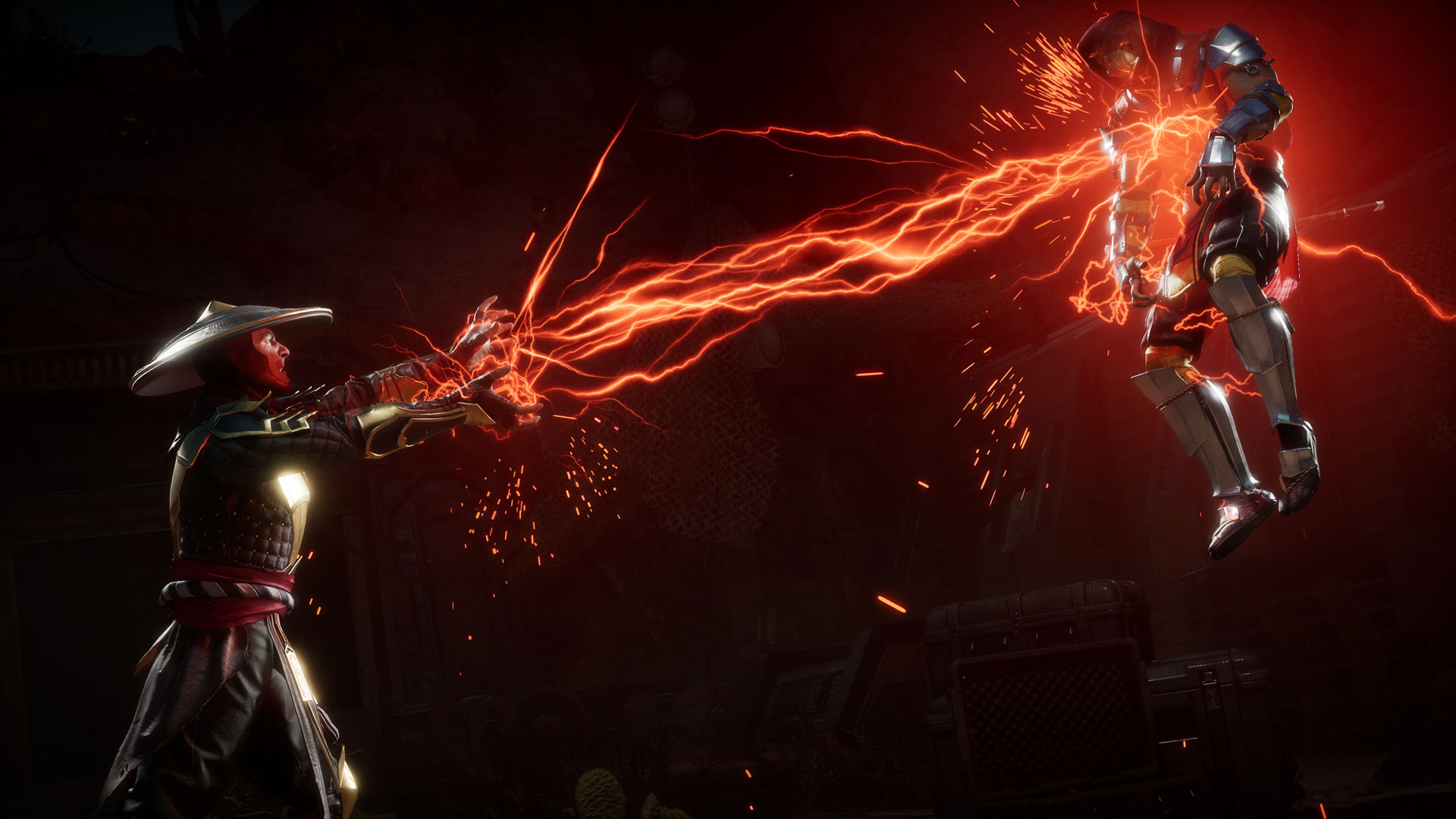
Mortal Kombat 11 was announced at The Game Awards 2018 and came out on 23 April 2019 on Nintendo Switch, PlayStation 4, Windows and Xbox One, with Stadia in November 2019. Kronika, the keeper of time, rewrites history to erase Raiden after his interference, and the story turns into a fight over the past of the whole series.
A character customization system lets you build your own move lists, and Fatal Blows are powerful moves that open up below 30 percent health and can be used once a match. The Aftermath expansion in May 2020 added a second story and new fighters, and the Ultimate edition with all content came in November 2020. It had sold more than 15 million copies by 2022, the best-selling game in the series.
Mortal Kombat 1
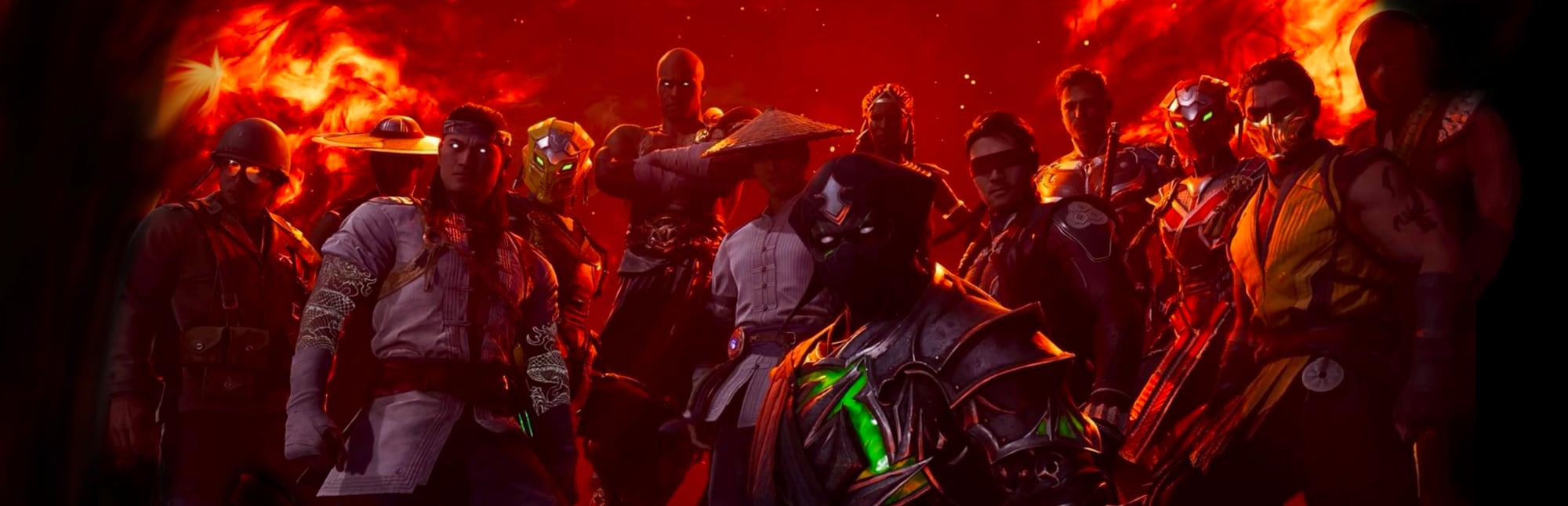
Mortal Kombat 1 was released on 19 September 2023 on Nintendo Switch, PlayStation 5, Windows and Xbox Series X|S. It is a reboot set in a new timeline: the Fire God Liu Kang uses Kronika's Hourglass at the end of Mortal Kombat 11: Aftermath to recreate the universe, and gathers fighters for an Outworld tournament while an alliance led by Titan Shang Tsung opposes him.
Partner fighters called Kameos join a fight through summons and ambushes, and the base game has 15 of them. Invasions is a seasonal online mode that mixes fighting with board game and role-playing elements. The Khaos Reigns story expansion followed in September 2024 with six new fighters, including Noob Saibot, and the villain Titan Havik.
Spin-Offs
Several action games sit beside the fighters. Mortal Kombat Mythologies: Sub-Zero, from Midway in 1997 on PlayStation and Nintendo 64, is an action-adventure set before the first game in which Sub-Zero is sent to steal a map for Quan Chi. Mortal Kombat: Special Forces, a 2000 PlayStation game, follows Jax as he tries to stop Kano's Black Dragon gang. Mortal Kombat: Shaolin Monks, from Midway Studios Los Angeles in 2005 on PlayStation 2 and Xbox, retells Mortal Kombat II as a beat 'em up with Liu Kang and Kung Lao and has two-player co-op.
Mortal Kombat: Onslaught, a free-to-play mobile team battler from NetherRealm, came out in October 2023 and was shut down in October 2024. Mortal Kombat: Legacy Kollection, from Digital Eclipse in October 2025, collects the early games for Switch, PlayStation, Xbox and Windows, with the first four arcade games and their home and handheld versions.
What Makes a Mortal Kombat Game
Three things hold the series together. The first is the tournament and its fighters: Liu Kang, Scorpion, Sub-Zero, Raiden and the rest, with Shao Kahn and Shang Tsung as the recurring threats. The second is the violence: the Fatalities and, since 2011, the X-ray moves that show the damage. The third is the control scheme, built on special moves and combos.
The older games are 2D, the middle ones went 3D and added weapons and fighting styles, and since 2011 the series has been played on a 2D plane with 3D models. The newer games add a full story mode.
Mortal Kombat Developers
The studios that have built the series.
Midway
The studio and publisher that created the series in 1992 and made every game up to Mortal Kombat vs. DC Universe in 2008, before it went bankrupt in 2009.
NetherRealm Studios
The Warner Bros. studio formed from the Mortal Kombat team after Midway's bankruptcy. It has made every main game since 2011.
Mortal Kombat Platforms
Where the games have been released, and how many of them each platform family runs.
11Games by platform
- PC
- 6 of 11 gamesPC
- PlayStation
- 10 of 11 gamesPlayStation • PlayStation 2 • PlayStation 3 • PS4 • PS5 • PlayStation Vita
- Xbox
- 7 of 11 gamesXbox • Xbox One • Xbox Series X|S • Xbox 360
- Nintendo
- 6 of 11 gamesNintendo GameCube • Nintendo Switch • Nintendo 64 • Wii
The early games began in arcades and reached the home consoles and computers of their day, among them the Super NES, Genesis and PlayStation. Deadly Alliance, Deception and Armageddon were made for PlayStation 2 and Xbox, and Armageddon later reached Wii.
The NetherRealm games run on PlayStation, Xbox and Windows. Mortal Kombat (2011) launched on PlayStation 3 and Xbox 360, Mortal Kombat X on Windows, PlayStation 4 and Xbox One, and Mortal Kombat 11 and Mortal Kombat 1 also reached Nintendo Switch. Mortal Kombat 11 came to Stadia as well.
Mortal Kombat News
Search all mortal kombat stories

All Mortal Kombat Games
Mortal Kombat
Mortal Kombat is a side-scrolling fighting game. Fighting is set as one-on-one combat, allowing each player to perform a variety of punches, kicks, and special moves in order to defeat their opponent.Fighting
Mortal Kombat II
Mortal Kombat II is a fighting game originally developed by Midway for arcades in 1993. It serves as the second main installment in the Mortal Kombat franchise and follows the success of its predecessor by enhancing the gameplay and further developing the original game's mythos.FightingArcade
Mortal Kombat 3
Mortal Kombat 3 brings new elements to the 2D fighting series: multi-level playfields, "Dial-A-Combo" attacks, a "Run" button to speed up the battles, and "Vs." codes, which unlock new powers and abilities once both players enter a code sequence in pre-match-up screens.Fighting
Ultimate Mortal Kombat 3
Released 1995
Mortal Kombat Trilogy
Released 1996
Mortal Kombat 4
Mortal Kombat 4 is 1 vs 1 fighting game, similar to the other Mortal Kombat games, but this is first game in series with 3D characters models. The player can choose from 15 different fighters at the start (and several unlockables later on).Fighting
Mortal Kombat: Deadly Alliance
Mortal Kombat: Deadly Alliance is the first Mortal Kombat outing on the next-gen systems. New to DA is a completely revamped fight engine. The graphics are in full 3D and feature somewhat interactive environments.Fighting
Mortal Kombat: Deception
Mortal Kombat: Deception is the sixth installment in the Mortal Kombat franchise. Based on the Mortal Kombat: Deadly Alliance engine, players once again have to fight to stop this new threat in the sixth installment of the fighting series.FightingPuzzle
Mortal Kombat: Armageddon
Mortal Kombat: Armageddon brags a roster of 62 characters and sees the return of classic ones from the original Mortal Kombat, such as Reptile, Shang Tsung and Goro. The enhanced Konquest mode (story/adventure mode) improves over the preceding versions, but has a shorter length.FightingRacing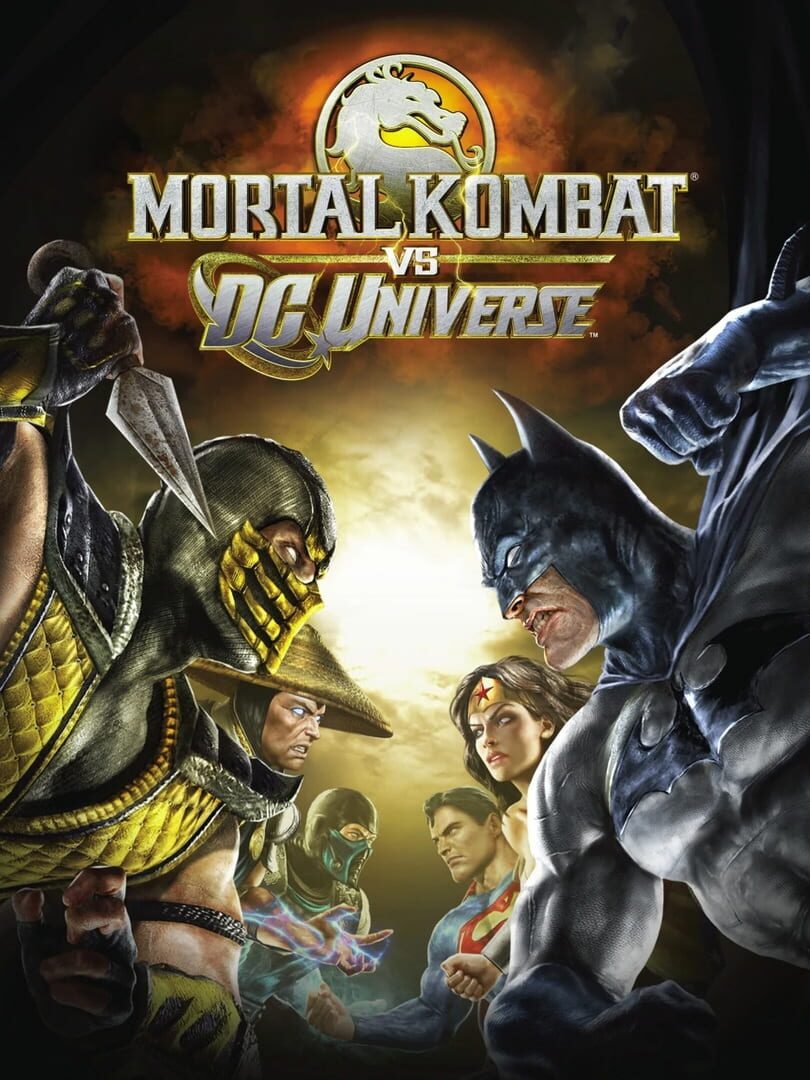
Mortal Kombat vs. DC Universe
Released 2008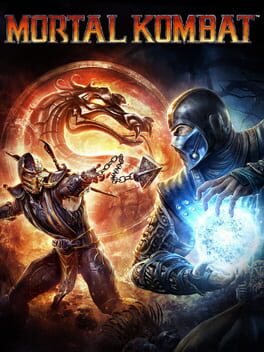
Mortal Kombat
Mortal Kombat is a 2011 fighting game developed by NetherRealm Studios. It is the ninth main installment in the Mortal Kombat franchise and a soft reboot of the series.Fighting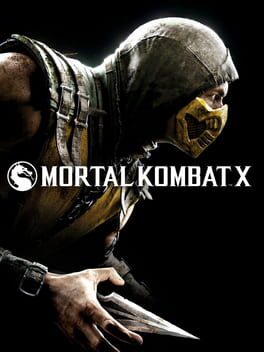
Mortal Kombat X
Mortal Kombat X is the tenth main game in the one-on-one fighting series and a sequel to the 2011 title Mortal Kombat. The game stays close to the visual style and the mechanics of the 2011 reboot.Fighting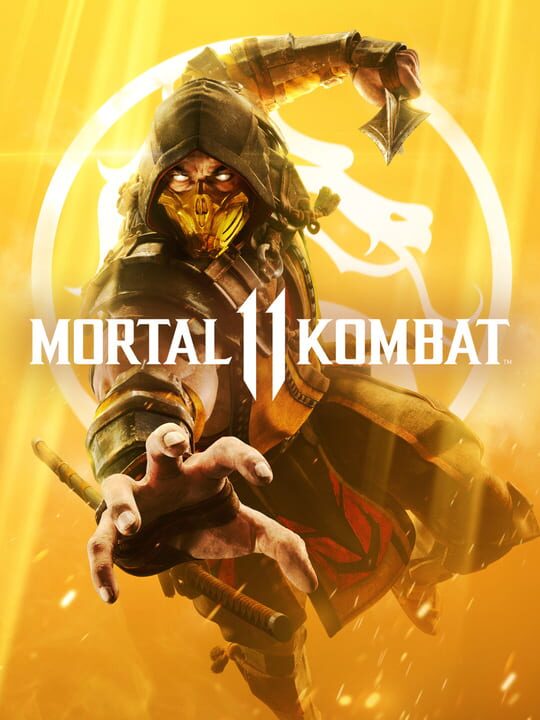 fighting
Mortal Kombat 11
Mortal Kombat is back and better than ever in the next evolution of the iconic franchise. The all new Custom Character Variations give you unprecedented control of your fighters to make them your own.Fighting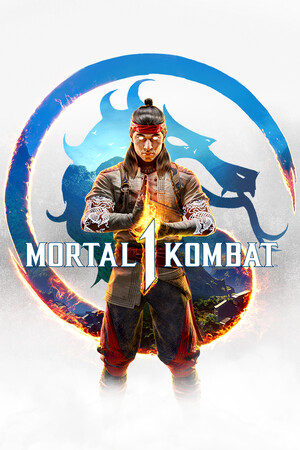 fighting
Mortal Kombat 1
A new era has begun. It's In Our Blood. Discover a reborn Mortal Kombat Universe created by Fire God Liu Kang. Mortal Kombat 1 ushers in a new era of the iconic franchise with a new fighting system, game modes, and Fatalities!FightingAdventureNo games match your criteria
Can't find your game?
Help us grow the Zero1 Gaming library: request a title by contacting our support team.
Request a game →