Card Games
The best card games, the sub-genres behind them and every card game we cover, from Hearthstone and Magic: The Gathering Arena to Slay the Spire and Balatro.
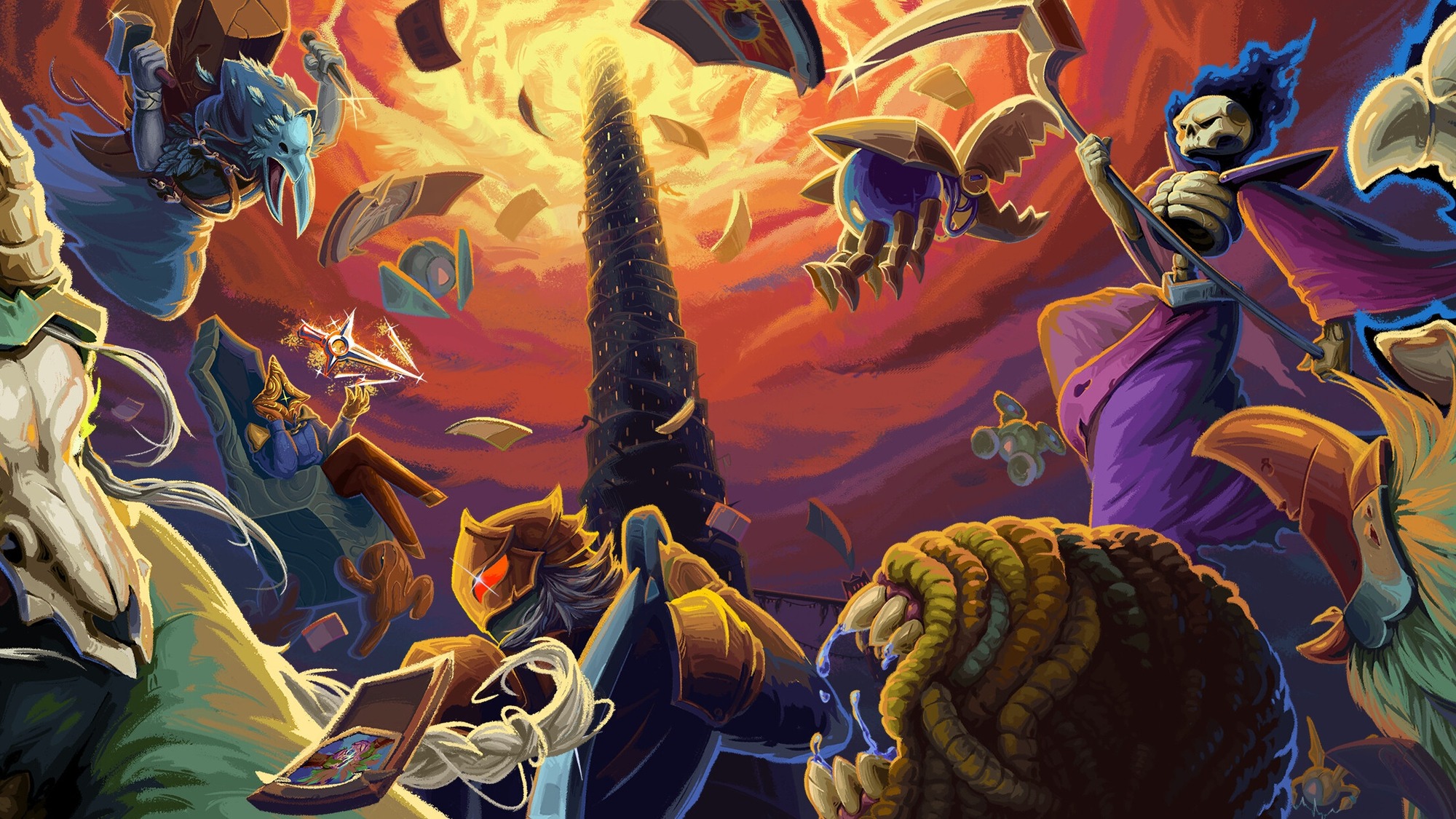
Image: Mega Crit
Card Game Developers
Studios that defined the genre or keep reinventing it. Where we cover their games, the links go to the game pages.
Wizards of the Coast
A Renton, Washington company founded in 1990 and owned by Hasbro since 1999. It published Magic: The Gathering in 1993 and runs the digital version through Magic Digital Studio.
Blizzard Entertainment
An Irvine, California studio, part of Microsoft since 2023. It released Hearthstone in March 2014, drawing on its Warcraft world, and made digital collectible card games a mainstream form.
Mega Crit Games
An independent studio founded by Casey Yano and Anthony Giovannetti, the makers of Slay the Spire in 2019 and its sequel in 2026. Its game made roguelike deck building a genre.
LocalThunk
The name used by the solo developer of Balatro, published by Playstack on 20 February 2024, a poker-based roguelike that won Best Independent Game at The Game Awards 2024.
Riot Games
A Los Angeles studio founded in 2006 and known for League of Legends. It released Legends of Runeterra on 30 April 2020, a card game in which every card can be earned without random packs.
CD Projekt Red
The Warsaw studio behind The Witcher. It turned the Gwent minigame from The Witcher 3 into a stand-alone game and released the single-player Thronebreaker: The Witcher Tales on 23 October 2018.
Second Dinner
A studio led by Ben Brode, the former game director of Hearthstone. It made Marvel Snap, released on 18 October 2022, with 12-card decks and matches that last only a few minutes.
The Pokémon Company
The Tokyo company founded in 1998 to manage the Pokémon brand. It oversees the Pokémon Trading Card Game, which began in Japan in 1996, and its digital versions, Live and Pocket.
Daniel Mullins Games
The studio of the solo developer Daniel Mullins, who made Pony Island in 2016 and The Hex in 2018 before Inscryption, a card game wrapped in a horror story, on 19 October 2021.
Top Card Games
Ten card games that show what the genre can do, from deck-building roguelikes to digital collectible hits.
Slay the Spire2019
Mega Crit's roguelike deck builder, released in full on 23 January 2019: climb a tower, add cards to your deck and face enemies that show their next move.
Slay the Spire II2026
Mega Crit's 2026 sequel, which extends the same climb-and-build loop with new characters and cards.
Balatro2024
LocalThunk's poker roguelike of 20 February 2024, where Joker cards rewrite the scoring rules and winning hands climb into the millions.
Hearthstone2014
Blizzard's free-to-play Warcraft card game of March 2014, built on 30-card decks, mana crystals and class-based heroes.
Marvel Snap2022
Second Dinner's 18 October 2022 card game with 12-card decks, three locations and matches that finish in a few minutes.
Magic: The Gathering Arena2019
Wizards of the Coast's digital Magic, fully launched on 26 September 2019 with the rules of the original 1993 trading card game.
Legends of Runeterra2020
Riot Games' 30 April 2020 card game set in the League of Legends world, in which attack and defence alternate between players.
Pokémon Trading Card Game Pocket2024
A 2024 mobile version of the Pokémon card game with short matches, small decks and pack opening as part of its daily routine.
Gwent: The Witcher Card Game2018
CD Projekt Red's 23 October 2018 stand-alone game based on the card minigame from The Witcher 3, played as a best-of-three of rows of units.
Card Games Explained
Card games in video games turn a deck into the whole game. You draw a hand, spend a limited resource to play cards, and win by outplaying an opponent or by building a deck that beats a challenge. The idea comes from tabletop trading card games, where players collect cards and build a deck of their own, and it works well on screens because the computer handles the rules, the shuffling and the long lists of card effects.
This page maps the genre. It follows card games from the first trading card game in 1993 to the digital hits of today, and gives a section to each sub-genre people search for: deck building games, trading card games, digital card games and card battlers. Further down you will find the studios behind the genre, ten games worth playing first, the latest card game coverage from our editors, and every card game in our catalogue. Party and board titles such as Mario Party are board games and are not covered here.
If you want something to play tonight, start with the ten games in the top list. If you want to understand why Hearthstone and Slay the Spire are both called card games, read on.
Types of Card Games
Card games split into sub-genres with their own rules, audiences and best games.
Deck Building Games
Build a deck as you play, run after run: Slay the Spire, Balatro, Monster Train 2 and Inscryption.
Trading Card Games
Digital versions of the tabletop originals: Magic: The Gathering Arena and Pokémon Trading Card Game Pocket.
Digital Card Games
Collectible card games made for screens: Hearthstone, Legends of Runeterra and Marvel Snap.
Card Battler Games
Cards as the fight inside a larger game: Gwent, Thronebreaker and Clash Royale.
The History of Card Games
The modern card game started on tables. Richard Garfield designed Magic: The Gathering for Wizards of the Coast, and it was first released in 1993 as the first trading card game: players bought random packs, built their own decks and traded cards they did not need. Pokémon followed in Japan in 1996 and Yu-Gi-Oh! in 1999, and both turned cards into a pillar of their franchises. The first online version of Magic, Magic Online, arrived in 2002.
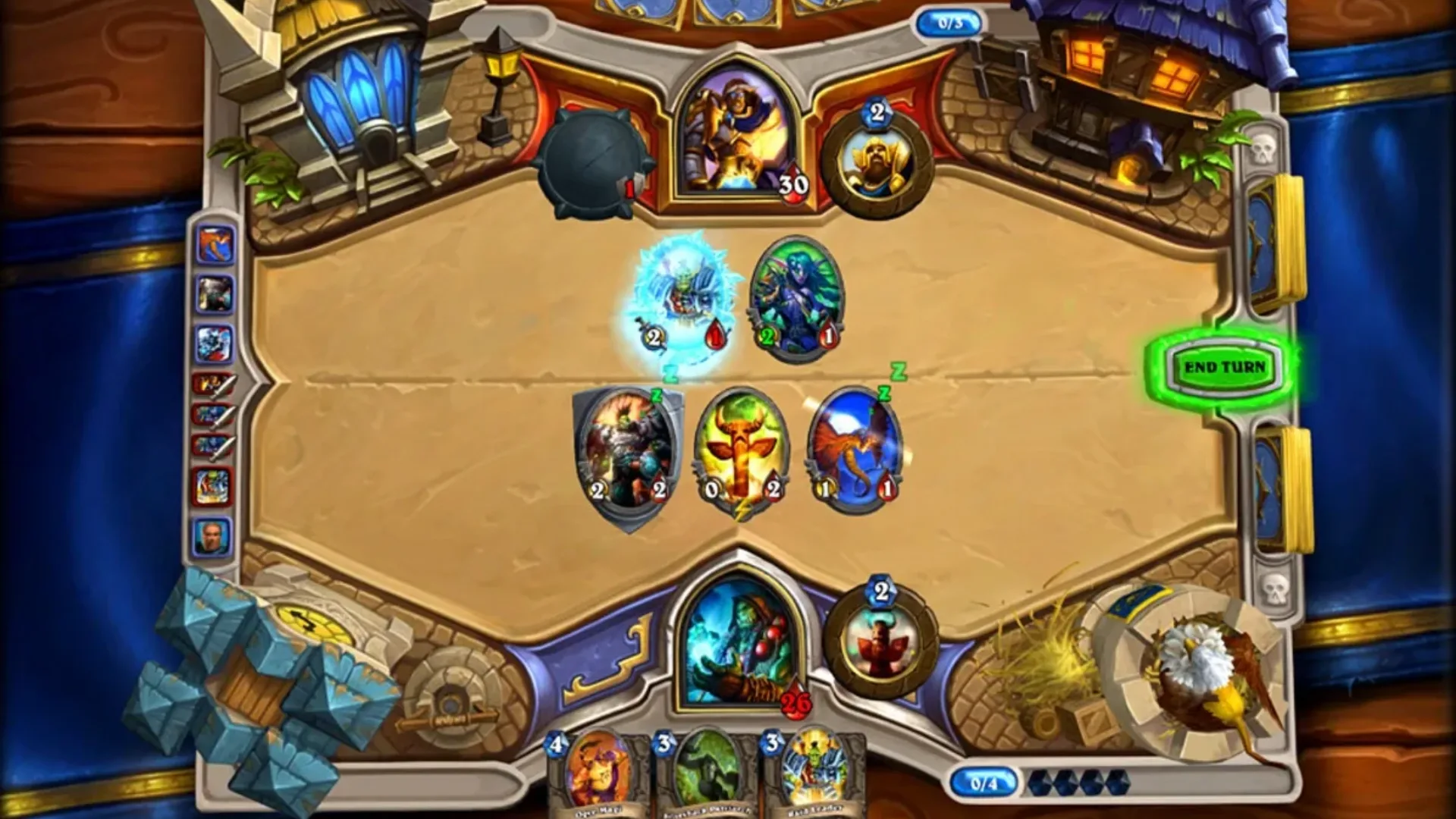
Video games took the format in two directions. Developers who loved cards built digital collectible games that copied the packs and decks of the tabletop original, and others used cards as the rules of a different kind of game. Hearthstone, released by Blizzard in March 2014 as a free-to-play game set in the Warcraft world, made the first direction mainstream with a simple mana system and 30-card decks. Gwent: The Witcher Card Game began as a minigame in The Witcher 3 in 2015 and became its own game in October 2018.
The second direction produced the decade's biggest surprise. Mega Crit's Slay the Spire reached version 1.0 on 23 January 2019 and joined a deck of cards to a roguelike, in which a short climb ends in either victory or a restart, and a new generation of deck building games followed. Digital stores were soon full of them.
In recent years the genre has had both its traditional hits and its strangest ones. Magic: The Gathering Arena launched fully on 26 September 2019, Legends of Runeterra on 30 April 2020 and Marvel Snap on 18 October 2022. Balatro arrived in February 2024 and turned poker hands into a roguelike, and Slay the Spire II followed on 5 March 2026.
Deck Building Games
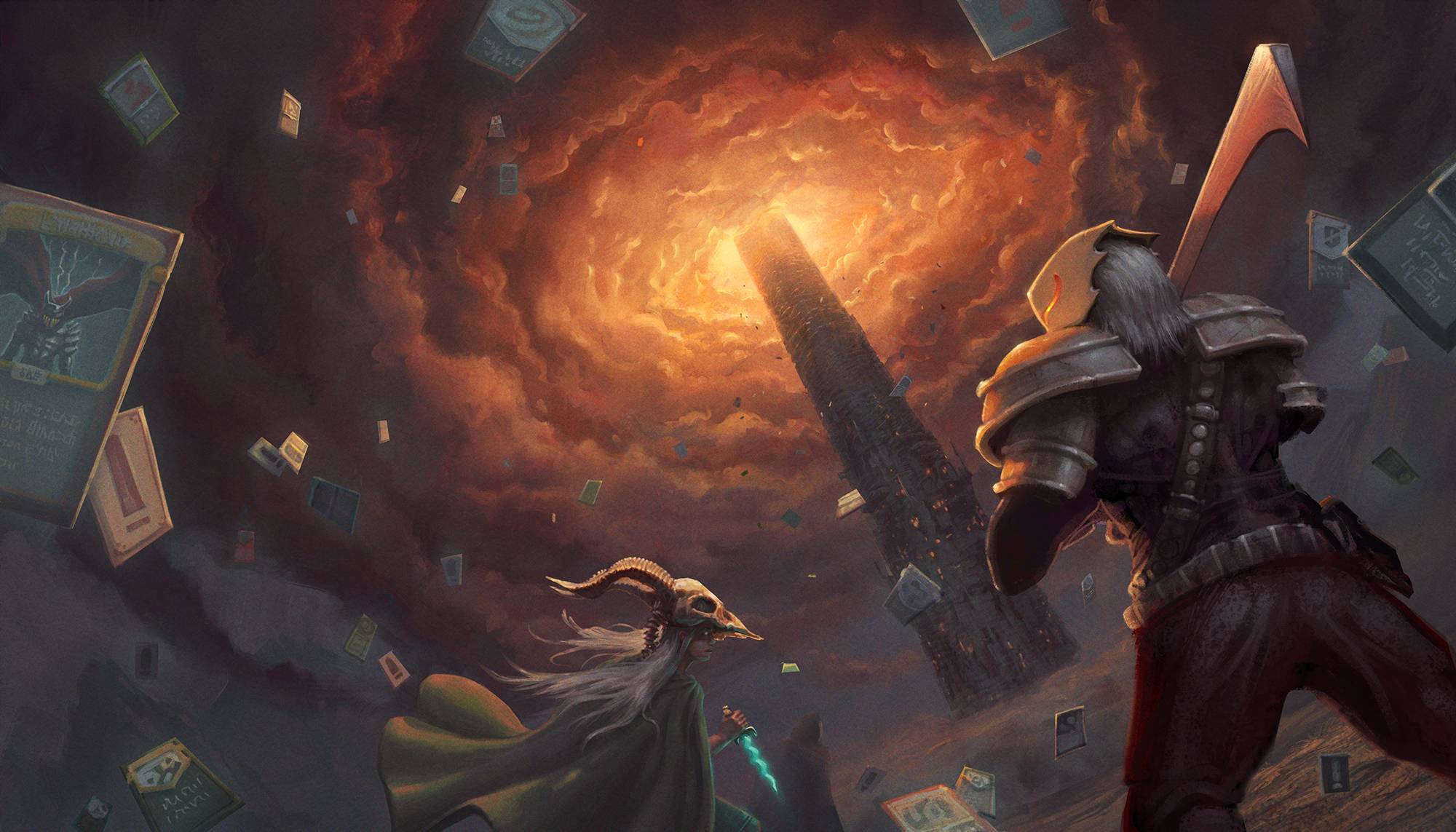
In a deck building game you do not arrive with a finished deck. You start with a small set of basic cards and add, remove and upgrade cards during a run, so the deck you fight with at the end is the one you built along the way. Most of these games are roguelikes: a run is short, the map changes every time, and when you lose you start again with only what you learned.
Slay the Spire set the template. Mega Crit released it in early access in 2017 and in full on 23 January 2019. You climb a three-act tower, choose one of three card rewards after each fight and play with three energy a turn, and enemies show what they will do next, so each turn is a puzzle about blocking and damage. The original had three characters, the Ironclad, the Silent and the Defect. Slay the Spire II, released on 5 March 2026, carries that loop forward.
Balatro took the idea somewhere new. LocalThunk released it on 20 February 2024, and its cards are an ordinary poker deck: you play poker hands to beat a target score in a limited number of turns, while Joker cards change the rules of scoring in ways that add up to huge multipliers. It won Best Independent Game at The Game Awards 2024 and is easy to learn for anyone who knows poker hands.
Many others work with the form in their own way. Monster Train 2, released on 21 May 2025, has you defend a multi-floor train from invaders by placing units on its floors. Inscryption from Daniel Mullins Games, released on 19 October 2021, starts as a spooky card game in a cabin and keeps changing its rules. Wildfrost, from Deadpan Games on 12 April 2023, has you arrange cards in lines and counts down timers before they attack. Griftlands, from Klei on 15 June 2020, adds negotiation as a second kind of card fight next to combat.
Trading Card Games
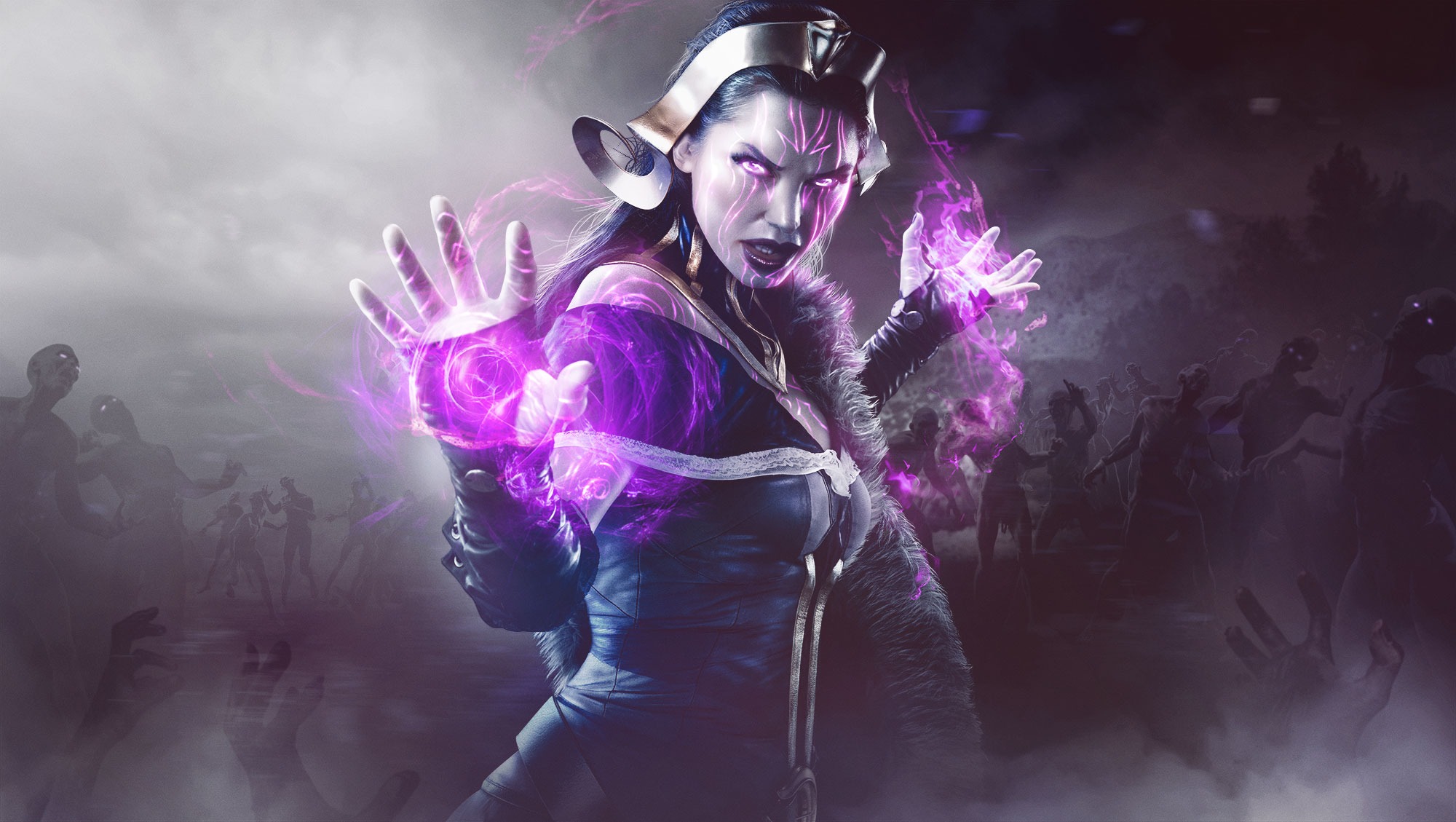
A trading card game, or TCG, is a game in which players buy packs of random cards, build a deck from what they own and play against others with the same rules. The digital versions of the real-world card games keep the ruleset of the original and replace the shop and the table with an app: you open packs on screen, build decks from a collection and are matched with players online.
Magic: The Gathering Arena is the main example of the oldest game in the field. Wizards of the Coast launched Arena fully on 26 September 2019, and it follows the rules of the 1993 original: you play land cards to produce mana in five colours, cast creatures and spells, and attack with the creatures to reduce your opponent's life from 20 to zero. Arena is free to start, and new sets are added as they come out in the real world.
The Pokémon Trading Card Game has two digital versions. Pokémon Trading Card Game Live, released in 2022, follows the tabletop rules closely, with 60-card decks and attached energy cards that power attacks. Pokémon Trading Card Game Pocket, released in October 2024, is a lighter version for phones: decks have 20 cards, matches are quick, and opening packs is part of the daily routine. Konami's Yu-Gi-Oh! has its own digital version in Master Duel, released in January 2022.
Digital Card Games
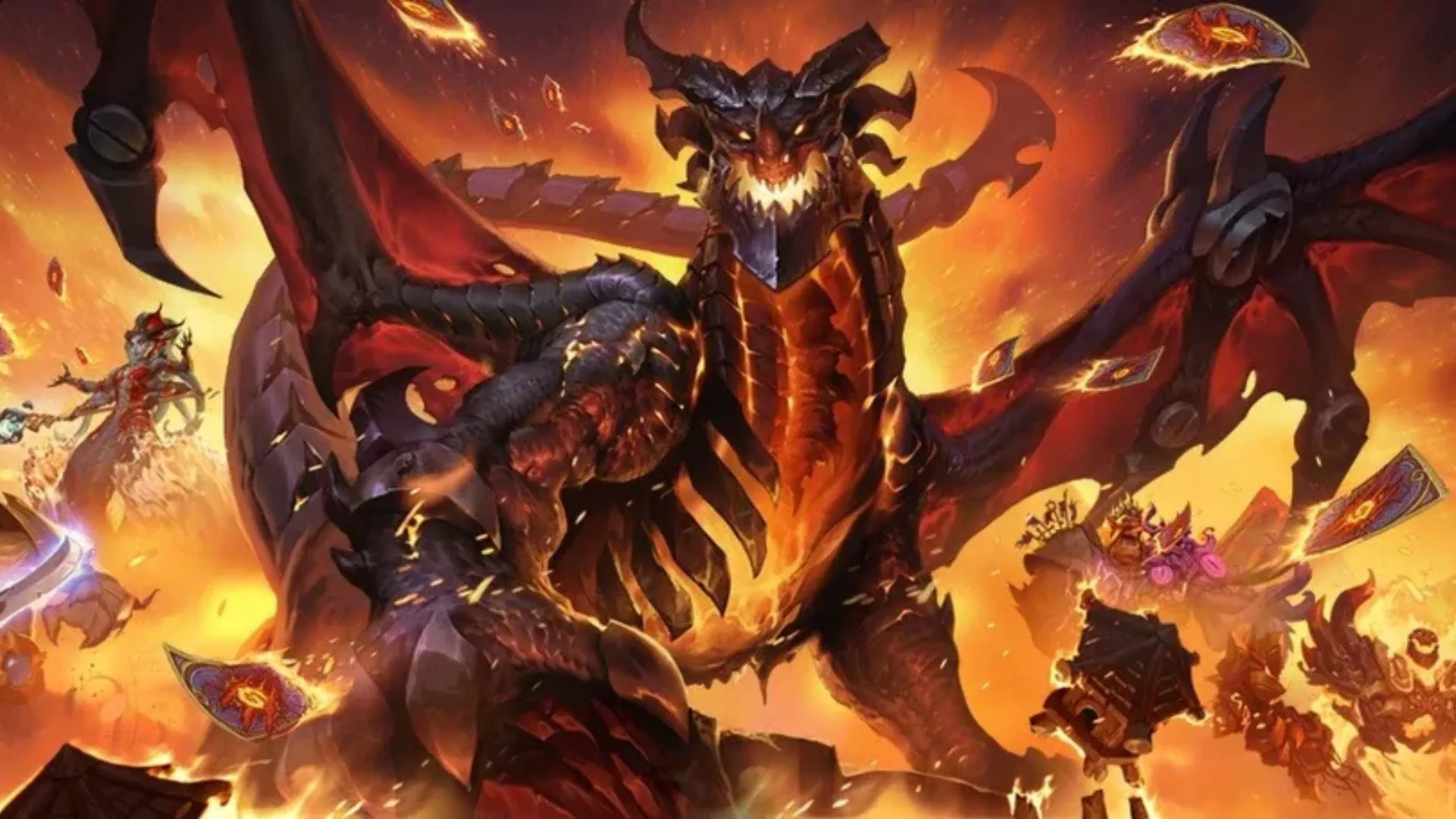
Digital card games are collectible card games that were made for screens and have no real-world twin. Without a physical card, the designers can use effects that would be impossible on a table: cards that create other cards, random outcomes inside a card's text and animated boards, with a computer doing the bookkeeping.
Hearthstone made the style popular. Blizzard released it in March 2014 as a free-to-play game, with nine heroes at launch, each with a hero power, and decks of 30 cards played from a hand of up to ten. Every turn you gain one more mana crystal, so the early turns are small and the late turns are explosive. The game has been supported with expansions ever since, and its world, with the Warcraft characters on its cards, is a part of its appeal.
Legends of Runeterra is Riot's answer, set in the League of Legends world. The game released on 30 April 2020, and its biggest change is that both players take turns attacking and defending, so neither is idle while the other plays cards. Its cards are earned by playing, without random pack drops. Marvel Snap is the fast one: Second Dinner released it on 18 October 2022 with 12-card decks, three locations and six turns, so a match takes only a few minutes.
Other licences used the same form. The Elder Scrolls: Legends, made by Sparkypants Studios and Dire Wolf Digital and released in 2017, put the Bethesda world on a board with two lanes. Cards in these games are often licensed, so the characters you know from other media are what you collect.
Card Battler Games
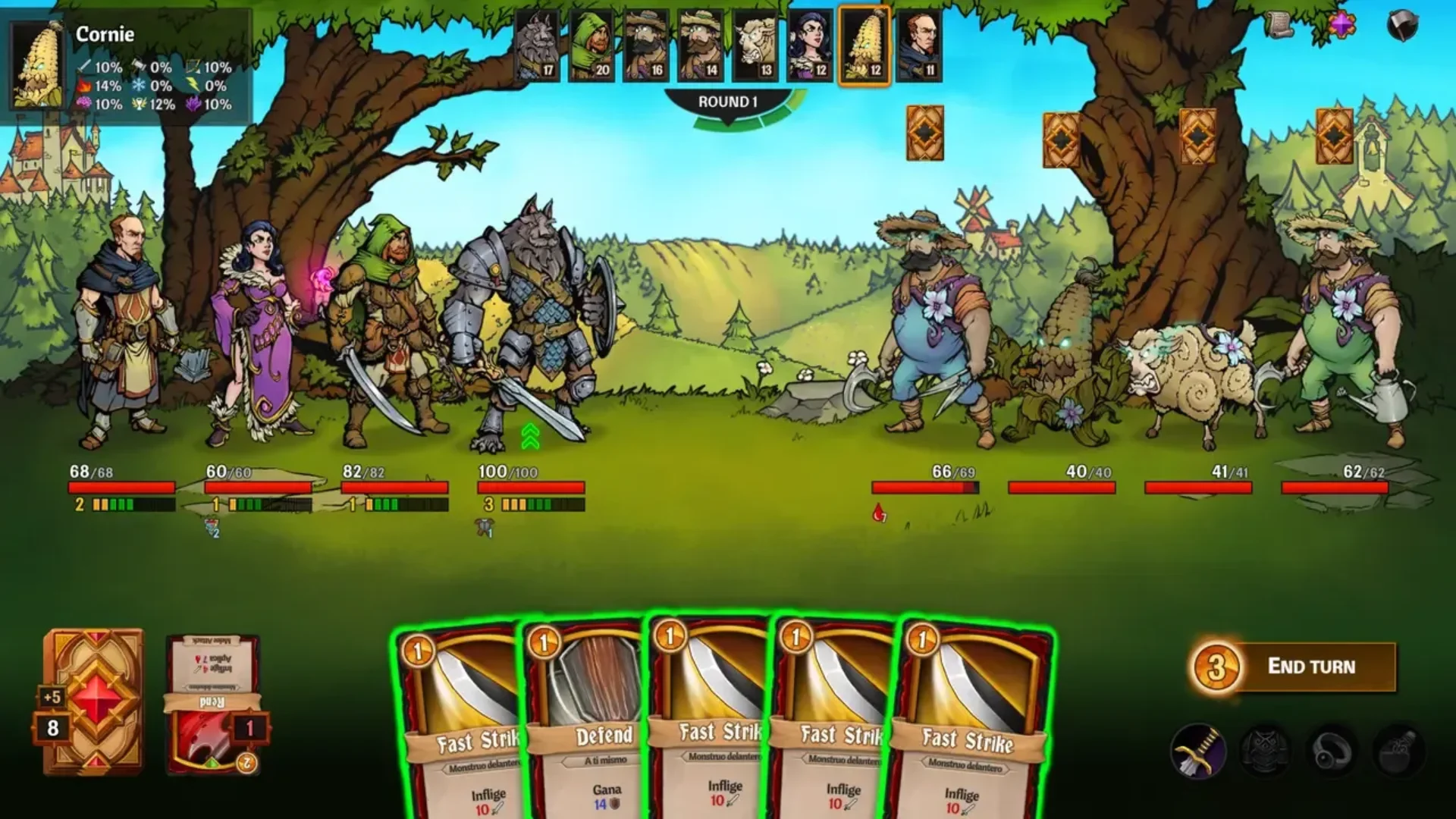
A card battler uses cards as the way a battle is fought, often inside a larger game. You may not collect cards or buy packs at all: the deck is a tool for a story, a world or a different kind of contest, and the rules are usually simpler than a full collectible game so that newcomers can pick them up quickly.
The best-known example is Gwent, which began as a minigame in CD Projekt Red's The Witcher 3 in 2015. The studio released Gwent: The Witcher Card Game as a stand-alone game on 23 October 2018, with matches played as a best of three of rounds in which you place units in rows. Thronebreaker: The Witcher Tales was released on the same day as a single-player campaign, in which you lead Queen Meve across a map and settle the story with card puzzles and battles.
Other card battlers sit inside RPGs. Final Fantasy VIII had Triple Triad in 1999, a small card game on a three-by-three grid in which you win your opponent's cards by outranking them, and it was popular enough to be played alongside the main story. Across the Obelisk from Dreamsite Games turns a party of heroes into a co-operative deck building game that up to four people can play.
Not every card battler is turn-based. Supercell's Clash Royale, released in 2016, is a real-time duel in which you hold a hand from a deck of eight cards and spend an elixir resource to place units on a small arena, with each player trying to destroy the other's towers. Cobalt Core, from Rocket Rat Games, uses a deck to control a spaceship and its crew, and shows how far the card format can stretch from its tabletop roots.
Solitaire and Poker Games
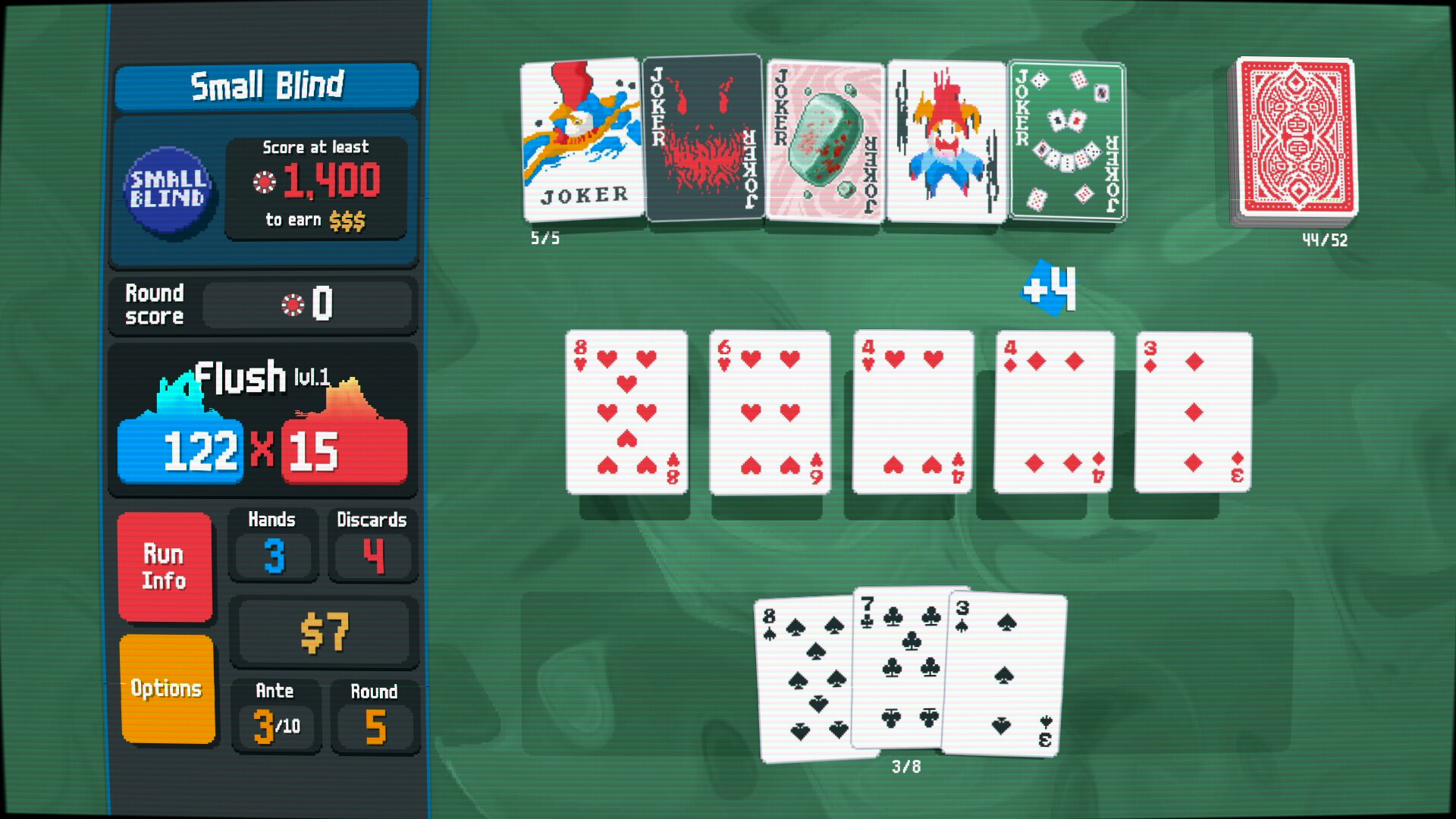
Not every card game is built around a custom deck. Some use the ordinary 52-card deck and rules that are centuries old, and they are the card games that most people have already played. Their charm is that you need no tutorial: a few minutes in, you know whether a hand is good.
Solitaire is the oldest and most widely played. Microsoft included it in Windows 3.0 in 1990, written by the intern Wes Cherry, partly to teach people how to drag and drop with a mouse, and Susan Kare designed its card backs. It is still the game many people think of first when they hear computer cards. Poker has a long video game history too, from casino-style video poker machines to online tables, and the rules of its hands are the best-known card rules in the world.
Recent games have shown how much room these familiar rules leave. Balatro kept the ranking of poker hands from high card to royal flush, then wrapped them in a roguelike with Jokers and shops. A player who knows the old rules starts with an advantage, and the game gives them a reason to look at them in a new way.
Card Games for Beginners and How to Choose
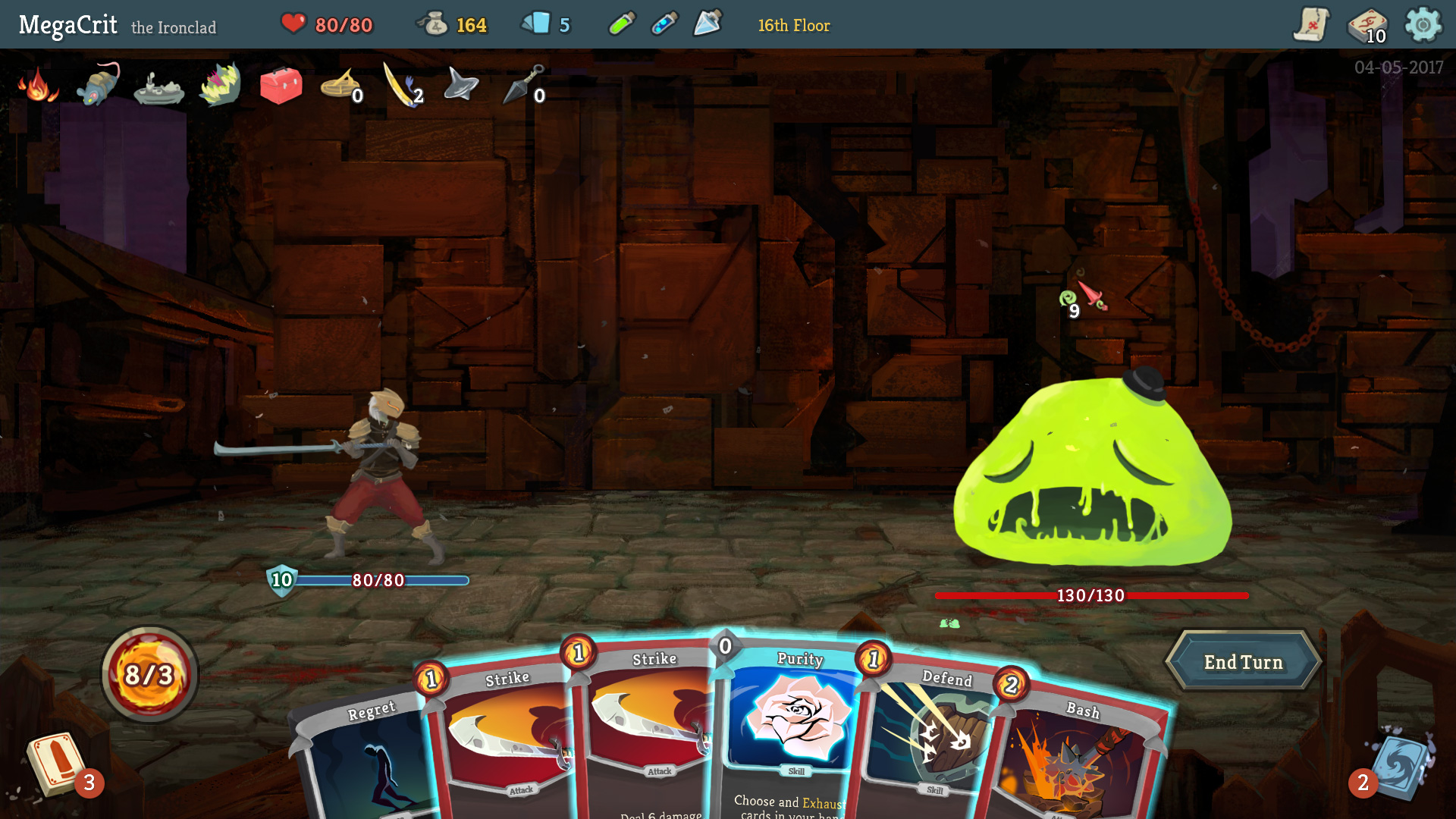
The right card game depends on how much time you want to give it. Ask yourself a few questions before you pick one, and remember that a card game can be as quick as a three-minute match or as long as a collection you build for years.
Do you want to play alone, with no one to beat but the game? Try Slay the Spire for a classic deck builder or Balatro if you like poker hands. Do you want to play against others online? Hearthstone is a gentle first collectible game, and Marvel Snap fits into a break. Do you already know Magic or Pokémon on the table? Magic: The Gathering Arena and Pokémon Trading Card Game Pocket carry those rules onto your screen. Do you want a story? Inscryption and Thronebreaker both use cards for storytelling.
Think about the model as well. Collectible games ask you to build a collection, and your cards grow with your play time, while deck building roguelikes give you everything you need from the first run. Many of these games are on phones and tablets as well as on PC, so check each game page for the versions available.
Card Games News
Search all card & board stories



Best Card Games Lists and Rankings
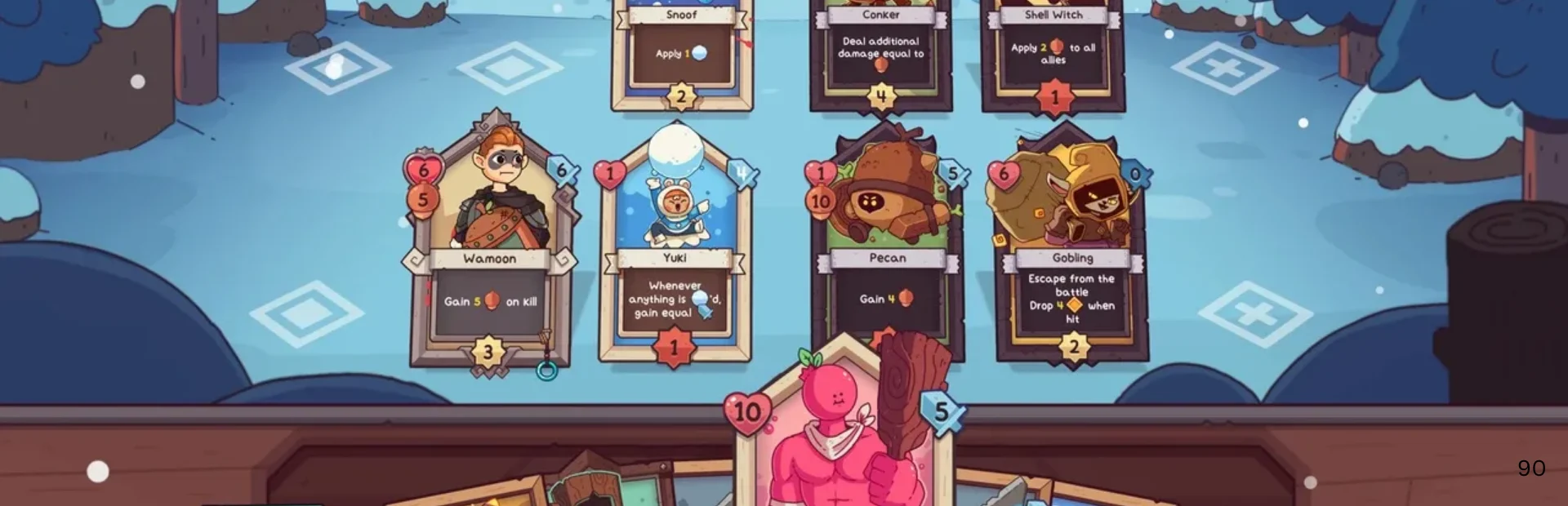 Wildfrost
The 9 best deckbuilding games for finding the perfect combo
These games make the deck itself your character build, then ask you to improve it without adding one card too many.
 Baldur's Gate III
Best Steam Deck games
These games suit the Steam Deck's smaller screen, instant suspend feature, and ability to turn spare minutes into worthwhile play sessions.
Card Game Developer Spotlights
All Card Games
 card games
Hearthstone
Hearthstone is a free-to-play digital collectible card game set in the Warcraft universe. Originally subtitled Heroes of Warcraft, the game features turn-based one-on-one matches where players build 30-card decks and select heroes from eleven classes, each with unique abilities.StrategyTurn-based strategy (TBS)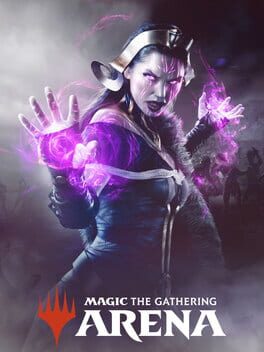 card games
Magic: The Gathering Arena
Magic: The Gathering - Arena is a free to play digital, collectible card game by Wizards of the Coast that places the players in the shoes of a powerful magic-user that can cast spells, summon creatures, and attack opposing players.StrategyTurn-based strategy (TBS)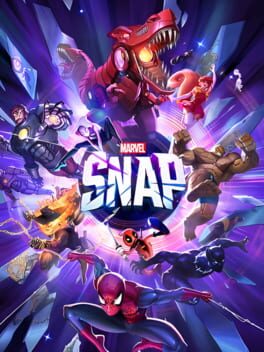 card games
Marvel Snap
Marvel Snap: The fastest card battler in the multiverse! Build your Marvel dream team in this fast-paced, action-packed, collectible card game available on Mobile and PC.StrategyCard & Board Game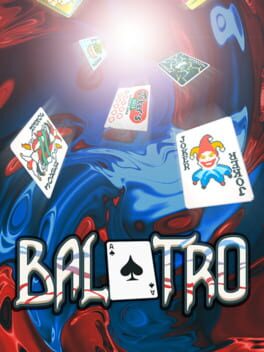 strategy
Balatro
Balatro is a deck-building roguelite in which players construct poker hands to earn chips and overcome enemy blinds. The game features mechanics for enhancing a deck of playing cards, purchasing Jokers that modify hand effects, and discovering synergies to progress through…StrategyTurn-based strategy (TBS)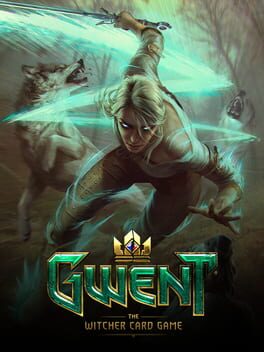 rpg
Gwent: The Witcher Card Game
Join in The Witcher universe’s favorite card game, available for free! Blending the CCG and TCG genres, Gwent sees you clash in fast-paced online PvP duels that combine bluffing, on-the-fly decision making and careful deck construction.Role-playing (RPG)Strategy strategy
Legends of Runeterra
Set in the world of League of Legends, Legends of Runeterra is the strategy card game where skill, creativity, and cleverness determine your success. Choose your champions and combine cards from different regions, each with their own style and strategic advantage, then build the…StrategyTurn-based strategy (TBS) strategy
Pokémon Trading Card Game Live
Experience the fun and strategy of the Pokémon Trading Card Game in a whole new way with Pokémon Trading Card Game Live! Build your collection of cards in the Battle Pass, and test your skills against other players from around the world in the Ranked Ladder!StrategyCard & Board Game strategy
Pokémon Trading Card Game Pocket
Pokémon Trading Card Game Pocket lets you easily collect Pokémon cards. Creatures Inc. has created exciting new visual effects for cards that are only possible digitally.StrategyTurn-based strategy (TBS) rpg
Slay the Spire
Slay the Spire is a single-player roguelike deck-building game. Players choose from four characters, each with a unique set of cards, and attempt to climb a procedurally generated spire consisting of multiple floors of increasingly difficult enemies and bosses.Role-playing (RPG)Strategy strategy
Slay the Spire II
The iconic roguelike deckbuilder returns! Craft a unique deck, encounter bizarre creatures, and discover relics of immense power in Slay the Spire 2 - featuring new characters, cards, events, alternate acts, and more!StrategyIndie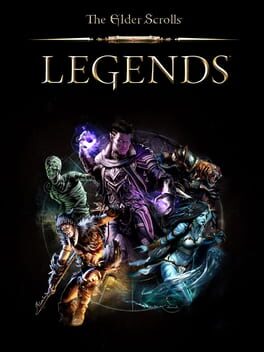 rpg
The Elder Scrolls: Legends
The Elder Scrolls: Legends is a strategy card game that explores the series' characters, creatures, deities, and lore. Whether you have 10 minutes or five hours, Legends provides a variety of gameplay modes and challenges that are easy-to-learn but difficult to master.StrategyTurn-based strategy (TBS)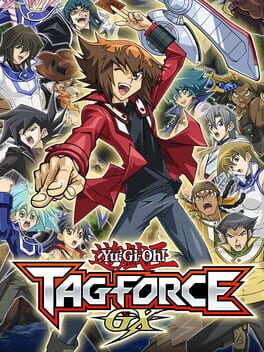
Yu-Gi-Oh! Tag Force GX
Duel Alongside Your Partner and Forge Your Own Future!Role-playing (RPG)StrategyNo games match your criteria
Can't find your game?
Help us grow the Zero1 Gaming library: request a title by contacting our support team.
Request a game →