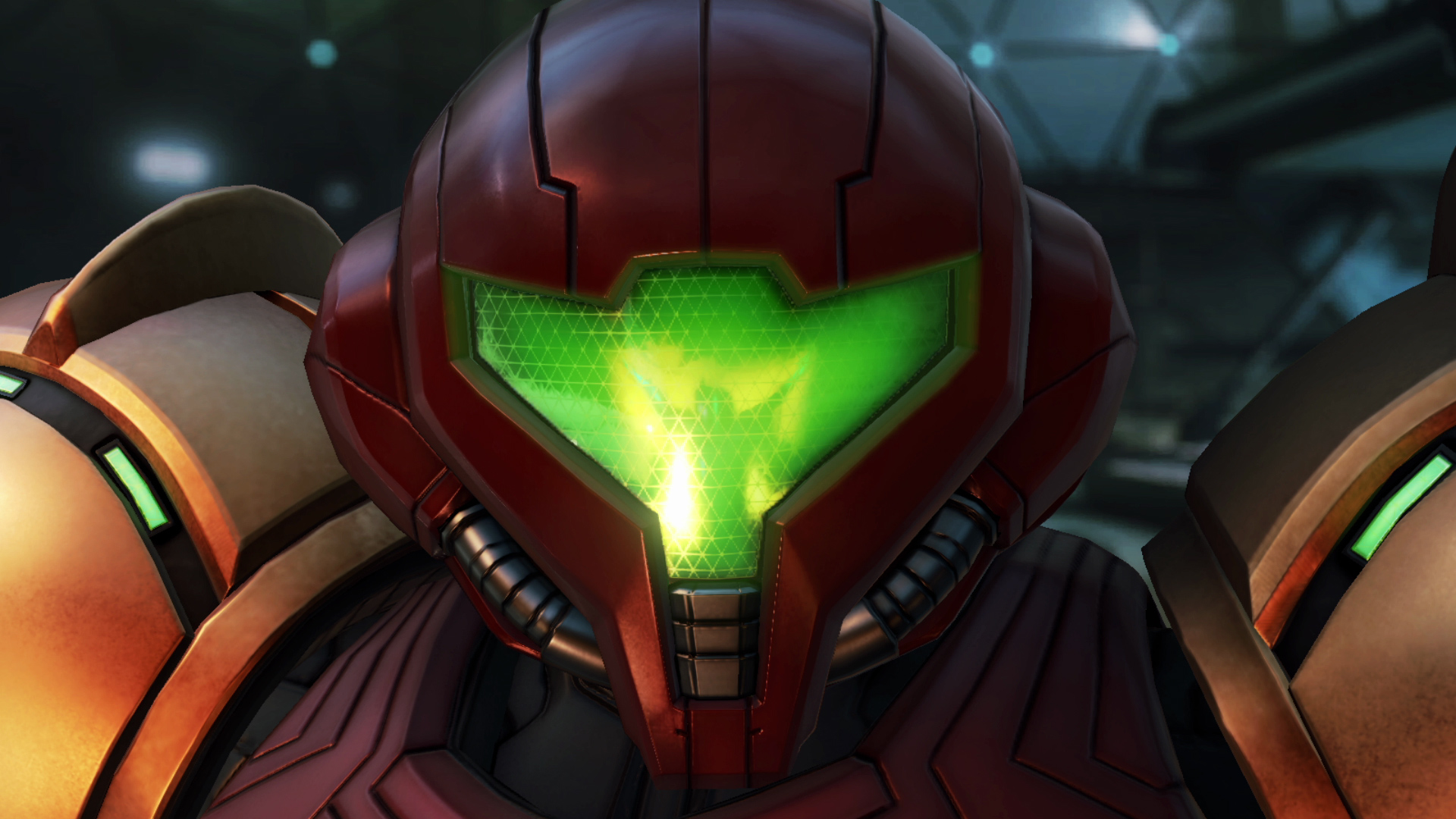
Metroid Games
Every Metroid game in release order, the studios behind them, how the 2D and Prime games connect and where to start.
- First Release
- 6 August 1986
- Latest Release
- 4 December 2025
- Publisher
- Nintendo
- Studios
- Nintendo R&D1, Retro Studios, MercurySteam
- Genre
- Action-adventure
- Games
- 14
- Platforms
- Nintendo
Image: Retro Studios and Nintendo
Top Metroid Games
Four standout games that show the range of the series, from the 16-bit classic to the newest 2D game. They were chosen for their gameplay, quality and influence on the series.
Metroid Dread2021
The best-selling game in the series, a 2D sequel to Fusion with E.M.M.I. robots hunting Samus.
Super Metroid1994
The 1994 Super Nintendo classic that helped define the Metroidvania, with a 97 percent GameRankings average.
Metroid Prime Remastered2023
The 2002 first-person original rebuilt for Switch, with dual-stick and pointer controls.
Metroid: Samus Returns2017
A 3DS remake of Metroid II with free aim and a melee counter, and best handheld game at The Game Awards 2017.
Metroid is an action-adventure series about the bounty hunter Samus Aran. You explore a large, connected world alone, find suit upgrades that open paths you could not reach before, and fight bosses such as Ridley and Mother Brain. The mix of exploration and ability-gating gave the Metroidvania genre half its name.
Nintendo published the first game in 1986. The series has two strands: side-scrolling 2D games made first by Nintendo R&D1 and later by MercurySteam, and the first-person Prime games from Retro Studios.
This page lists the games in release order, gives each main game its own section, covers the spin-offs and explains how the timelines connect and where to start. Every game with its own page here links to its release details, platforms and the latest news.
Metroid Games in Release Order
Explore every main Metroid game in release order, with each game's release year, studio and platforms.
011986
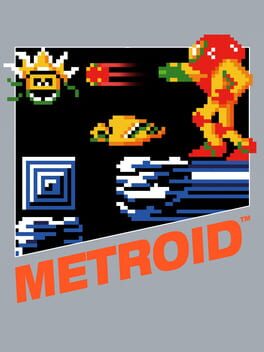
Metroid
The original. Samus travels to Zebes to destroy Mother Brain in an open map where power-ups open new areas.
021991
Metroid II: Return of Samus
A Game Boy sequel in which Samus hunts the 47 Metroids of SR388 and ends up with a hatchling that imprints on her.
031994
Super Metroid
The Super Nintendo classic, with an automatic map, the Grapple Beam and the X-Ray Scope.
042002
Metroid Fusion
A more linear Game Boy Advance game about X parasites and the SA-X, a copy of Samus.
052002
Metroid Prime
The first-person debut from Retro Studios, set on Tallon IV and built around scanning.
062004
Metroid: Zero Mission
A Game Boy Advance remake of the 1986 game with new areas and a Zero Suit finale.
072004
Metroid Prime 2: Echoes
Light and dark versions of Aether, the Ing and Dark Samus, plus four-player split screen.
082006
Metroid Prime Hunters
A Nintendo DS game with stylus aiming, rival bounty hunters and online matches.
092007
Metroid Prime 3: Corruption
A Wii game with pointer aiming, Hypermode and a Phazon-infected Samus.
102010
Metroid: Other M
A Wii game from Team Ninja that sets a story between Super Metroid and Fusion aboard the Bottle Ship.
132023
Metroid Prime Remastered
The 2002 original with new visuals and several control options on Switch.
142025
Metroid Prime 4: Beyond
The Prime sequel on Switch and Switch 2, with psychic powers, the Vi-O-La bike and the rival Sylux.
How to Play the Metroid Games
Release order is the simplest way to play, and it is the order of the Release Order list above. By story the two strands run side by side. The 2D line goes Metroid, Metroid II, Super Metroid, Other M, Fusion and Dread. Metroid Prime is set between Metroid and Metroid II, and Hunters, Echoes and Corruption follow it. Zero Mission and Samus Returns retell the first two games. Federation Force is set after Corruption, and Prime Pinball and the Trilogy compilation are side releases.
For a modern 2D game, start with Metroid Dread, the best-selling in the series. It follows Fusion, so playing Metroid Fusion first gives you the full story. Super Metroid is the classic and still holds up, and Metroid: Samus Returns is an easy way into the earliest part of the story. For a first-person game, Metroid Prime Remastered is the 2002 original with current visuals and controls, and Metroid Prime 4: Beyond is the newest Prime game, with Sylux back as the rival.
Metroid (1986)
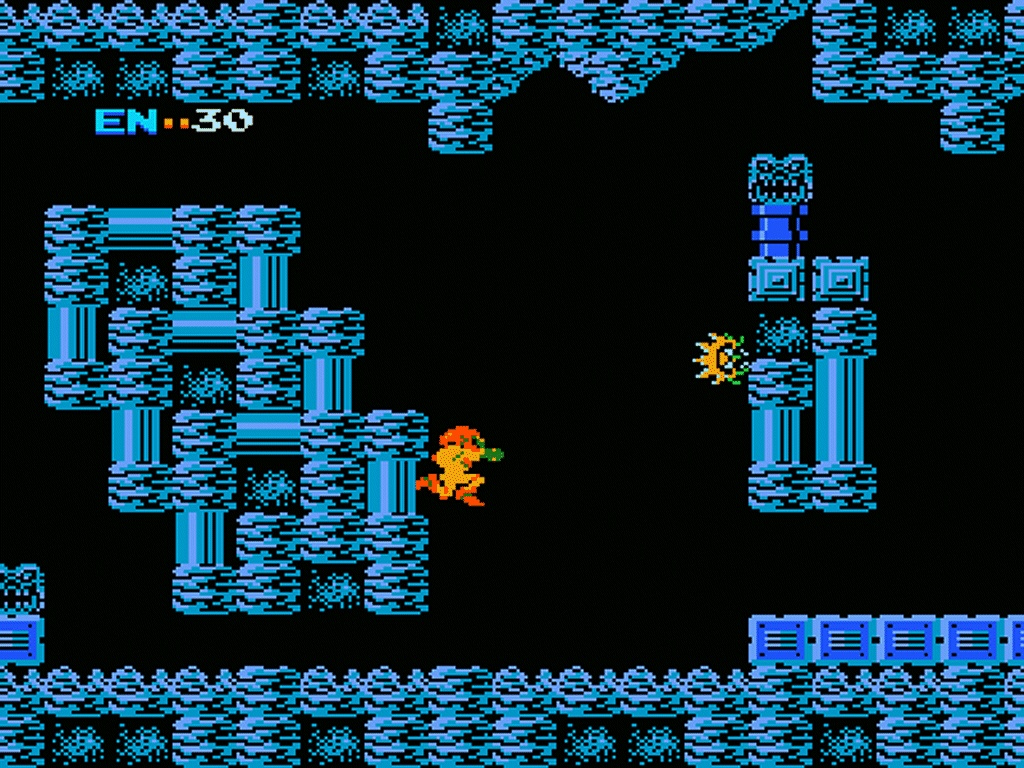
Metroid came out in Japan on 6 August 1986 on the Famicom Disk System, and on the NES in North America in 1987. It was made by Nintendo R&D1 and Intelligent Systems under Gunpei Yokoi, with Hiroji Kiyotake designing Samus. The Space Pirates have stolen Metroid creatures and plan to breed them as weapons from their base on the planet Zebes, and the Galactic Federation sends Samus to destroy their leader, Mother Brain.
Zebes is one open map of linked areas. You start with a weak beam and a jump, and items such as the Morph Ball, Bombs and the Ice Beam open the way to new areas. Western versions saved progress with a password, and the endings change with your completion time. A fast run reveals that Samus is a woman, a twist that was praised as innovative.
Metroid II: Return of Samus
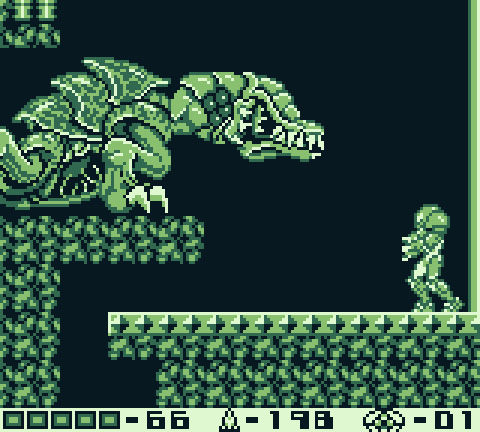
Metroid II: Return of Samus, from Nintendo R&D1 on the Game Boy in 1991, sends Samus to SR388 to wipe out the Metroids themselves after several Federation teams vanished. There are 47 Metroids to hunt, and they evolve through several forms, each harder than the last. A detector shows how many are left, and clearing an area lowers the lava that blocks the way on.
It added save points, the Spazer and Plasma Beams, and the Space Jump, Spider Ball and Spring Ball. The game ends when Samus spares a Metroid hatchling that imprints on her. The round-shouldered Varia Suit look that later games kept comes from this game. Metroid: Samus Returns remade it in 2017.
Super Metroid
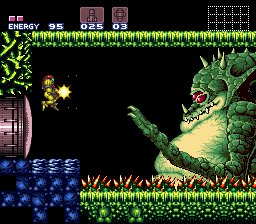
Super Metroid was released for the Super Nintendo in March 1994 in Japan and in April in North America. Yoshio Sakamoto directed it at Nintendo R&D1 with programming by Intelligent Systems. Samus delivers the last Metroid larva to the Ceres colony, Ridley steals it, and she follows him to Zebes.
It brought an automatic map, the Grapple Beam, wall jumping, the X-Ray Scope and eight-direction aiming, and it is widely named, with Castlevania: Symphony of the Night, as the game that defined the Metroidvania. It is still a favourite for speedruns, and its 97 percent GameRankings average is one of the highest in the series.
Metroid Fusion
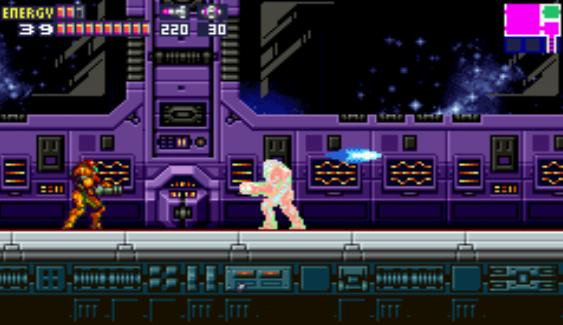
Metroid Fusion is a Game Boy Advance game from Nintendo R&D1, released in November 2002 in North America. Samus investigates an explosion on a research station that is infested with shapeshifting X parasites, and one of them has copied her as the SA-X. A vaccine made from an infant Metroid cures her, and her ship's computer, nicknamed Adam after her late commander, gives her orders.
It is more linear than the games before it: you follow missions, and Navigation Rooms tell you where to go next. It earned a 92 on Metacritic and won handheld game of the year at the D.I.C.E. awards. Linked to Metroid Prime with a GameCube link cable, it unlocks the Fusion Suit.
Metroid Prime
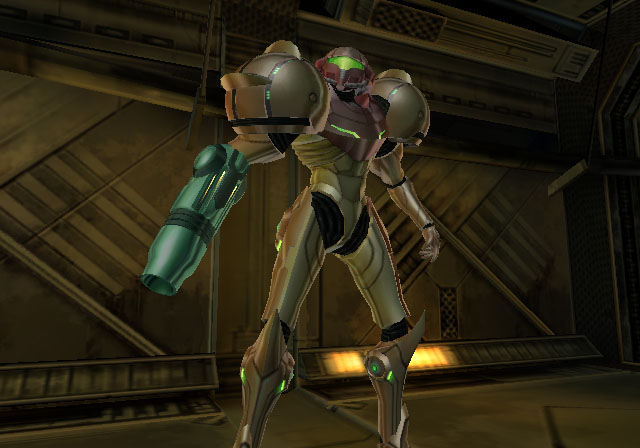
Metroid Prime, released in November 2002 on GameCube in North America, was Retro Studios' first Metroid game, directed by Mark Pacini. It moved the series into first person: Samus fights Space Pirates who are experimenting with Phazon on the planet Tallon IV, and collects twelve Chozo Artifacts to reach the Metroid Prime in the Impact Crater.
Nintendo called it a first-person adventure, not a shooter, because exploration comes before combat. The Scan Visor reads the world and fills in the backstory. The game holds a 97 on Metacritic, and until Metroid Dread it was the best-selling game in the series. It is set between the original Metroid and Metroid II.
Metroid: Zero Mission
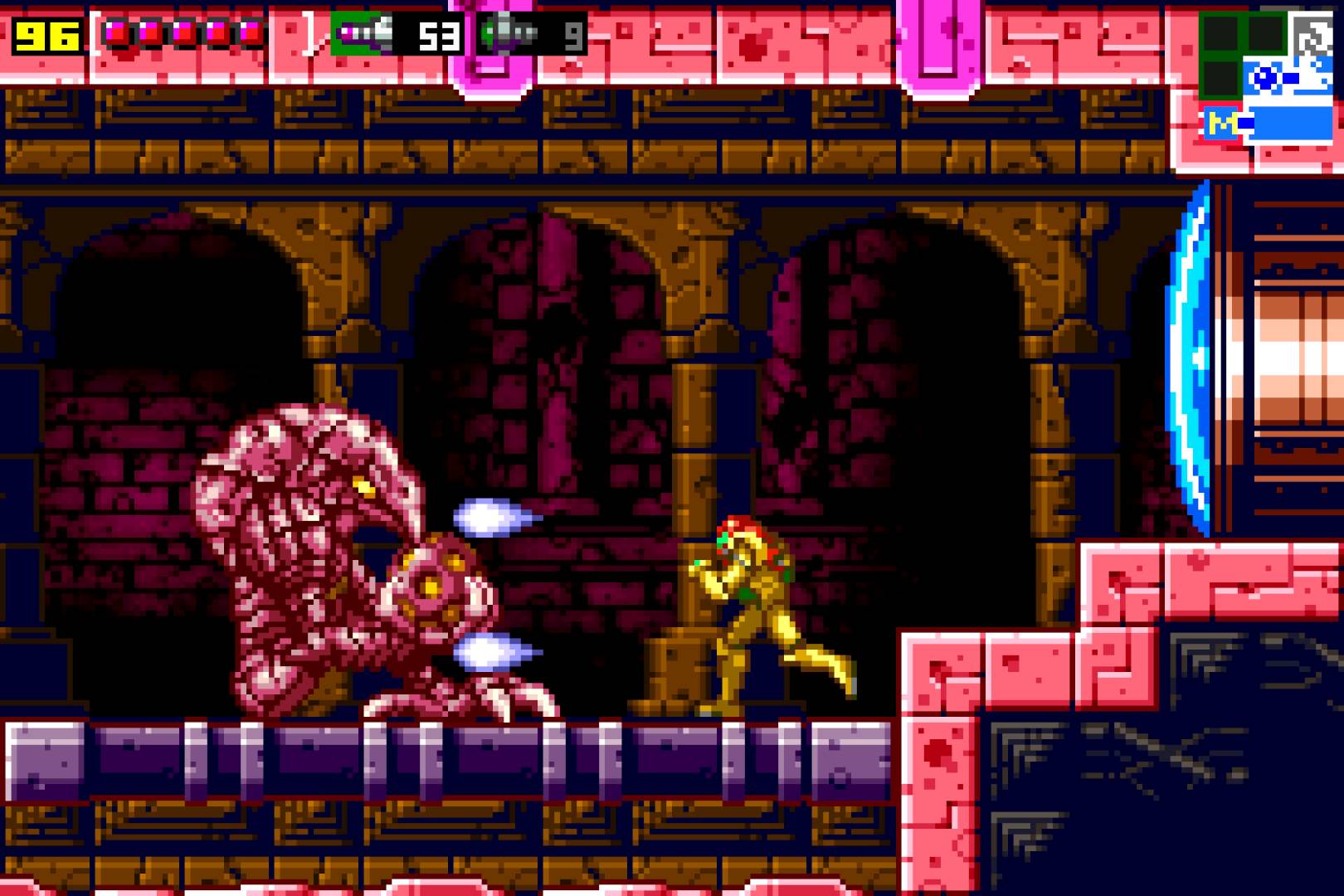
Metroid: Zero Mission is a remake of the 1986 game for the Game Boy Advance, made by Nintendo R&D1 and released in February 2004 in North America. It keeps the map of Zebes, adds new items, areas and mini-bosses, and rewrites the story to dig into Samus's past.
After the Mother Brain fight, a new final section strips Samus of her power suit and has her sneak through in her Zero Suit with only a stun pistol, and a new area, Chozodia, holds a trial that restores a fully upgraded suit. Completing the game unlocks the original Metroid. Critics praised it and found it short, and Electronic Gaming Monthly named it the best handheld game of 2004.
Metroid Prime 2: Echoes
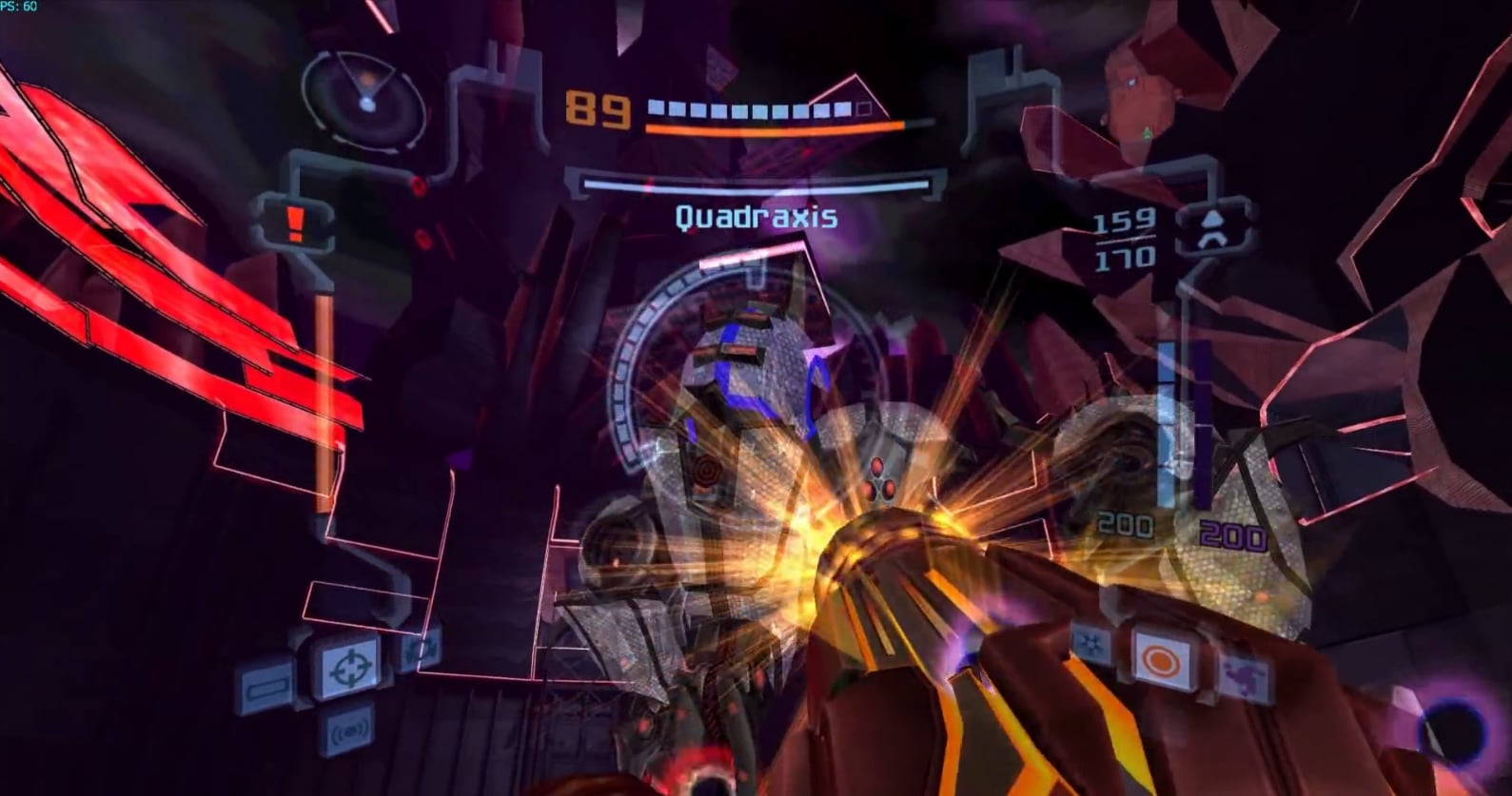
Metroid Prime 2: Echoes came to GameCube in November 2004. Samus follows lost Federation Marines to the planet Aether, where a Phazon meteor split the world into a light and a dark version. The shapeshifting Ing rule the dark side, and Samus must find the stolen Light of Aether and defeat the Emperor Ing while Dark Samus, her double, hunts her.
You move between the two Aethers, which mirror each other, and the air of the dark world drains your suit unless you find safe zones. The game also has a four-player split-screen mode. It won best GameCube game of 2004 from IGN and others, though critics found it harder than the first Prime.
Metroid Prime Hunters
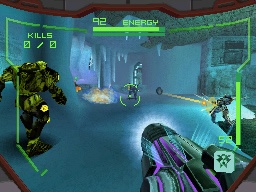
Metroid Prime Hunters, developed by Nintendo Software Technology for the Nintendo DS, was released in March 2006 in North America. Samus answers a telepathic message in the Alimbic Cluster, where six rival bounty hunters also race for an ultimate power. She needs eight Octoliths to open the Infinity Void and release the monster Gorea.
You aim by dragging a stylus across the touch screen, and the game supports four-player online matches over Nintendo Wi-Fi. It scored 85 on Metacritic. IGN named it the best DS action game of 2006, with the controls as the main complaint. It is set between Prime and Echoes.
Metroid Prime 3: Corruption
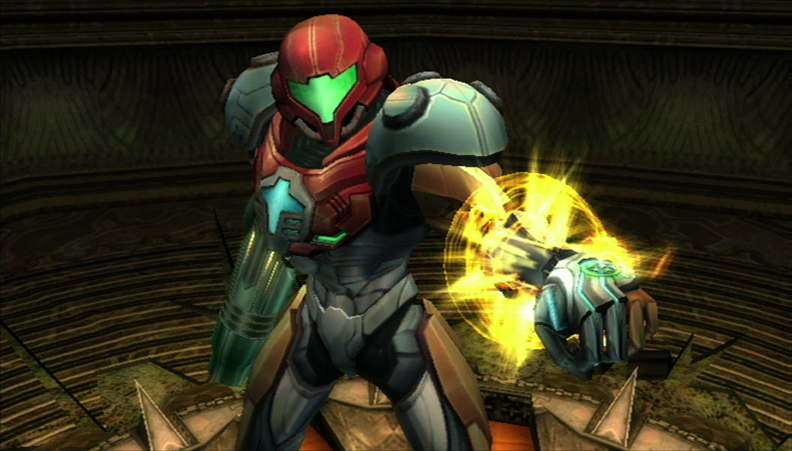
Metroid Prime 3: Corruption was released on Wii in August 2007 in North America. It takes place six months after Echoes. Dark Samus infects Samus with Phazon, the Federation gives her a device to control it, and she travels across several planets to destroy the Leviathan seeds that spread the contamination.
The Wii Remote handles aiming and the Nunchuk movement. Hypermode trades an energy tank for a burst of power, and too much use ends the run. Retro called it the final chapter of the Prime trilogy, and it has a 90 on Metacritic.
Metroid: Other M
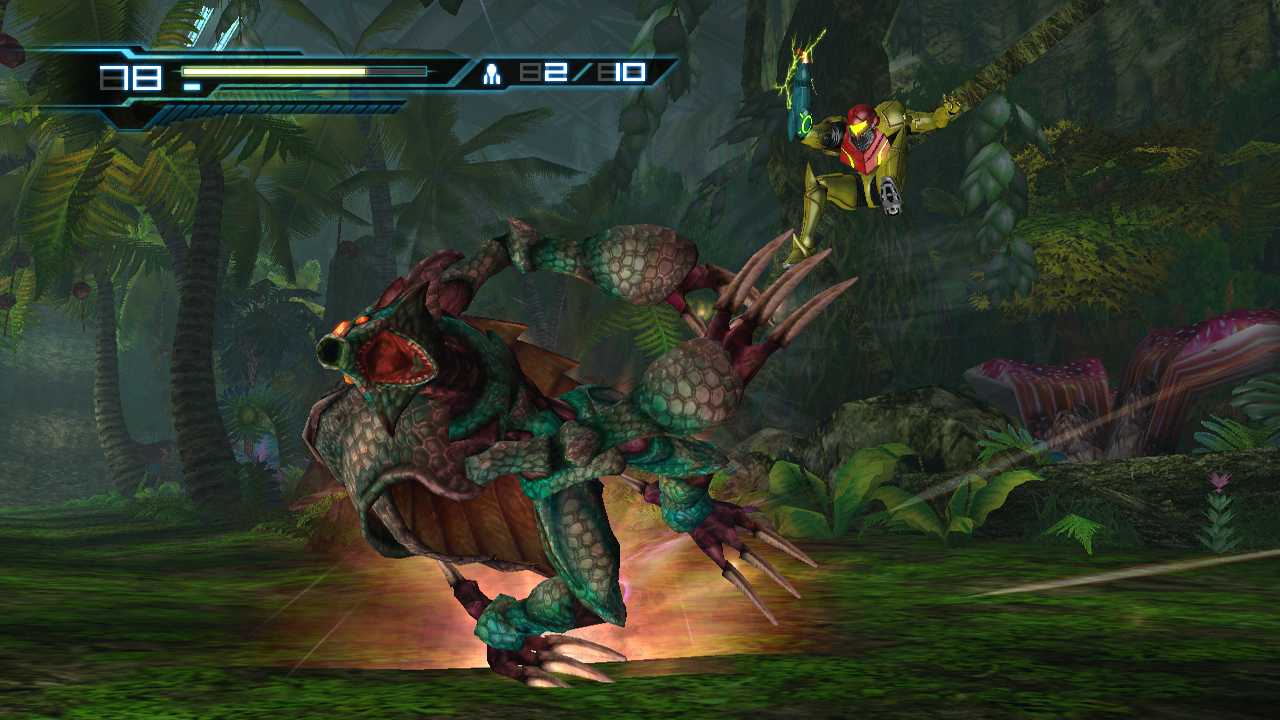
Metroid: Other M, a Wii game from Team Ninja and Nintendo SPD released in August 2010 in North America, is set between Super Metroid and Metroid Fusion. Samus joins the Federation's 07th Platoon aboard the derelict Bottle Ship, where she meets her old commander Adam Malkovich and uncovers a Metroid weapons programme.
You hold the Wii Remote sideways for a 3D game played like the 2D ones, and point it at the screen to switch to first person. In that view you cannot move, and Samus can use her upgrades only once Adam authorizes them. It has a 79 on Metacritic, and critics faulted the story and the restrictions.
Metroid: Samus Returns
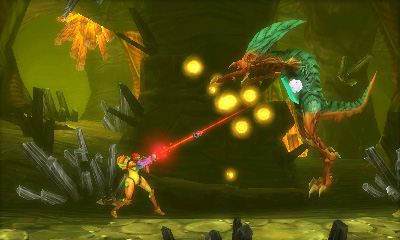
Metroid: Samus Returns is the 2017 Nintendo 3DS remake of Metroid II, made by MercurySteam and Nintendo EPD. It keeps the hunt for the Metroids of SR388 but rebuilds it with 3D graphics, free aim in any direction and teleport stations for faster travel.
The Melee Counter stuns nearby enemies, and Aeion abilities such as the Scan Pulse draw on an energy gauge to reveal hidden paths. It scored 85 on Metacritic and won best handheld game at The Game Awards 2017.
Metroid Dread
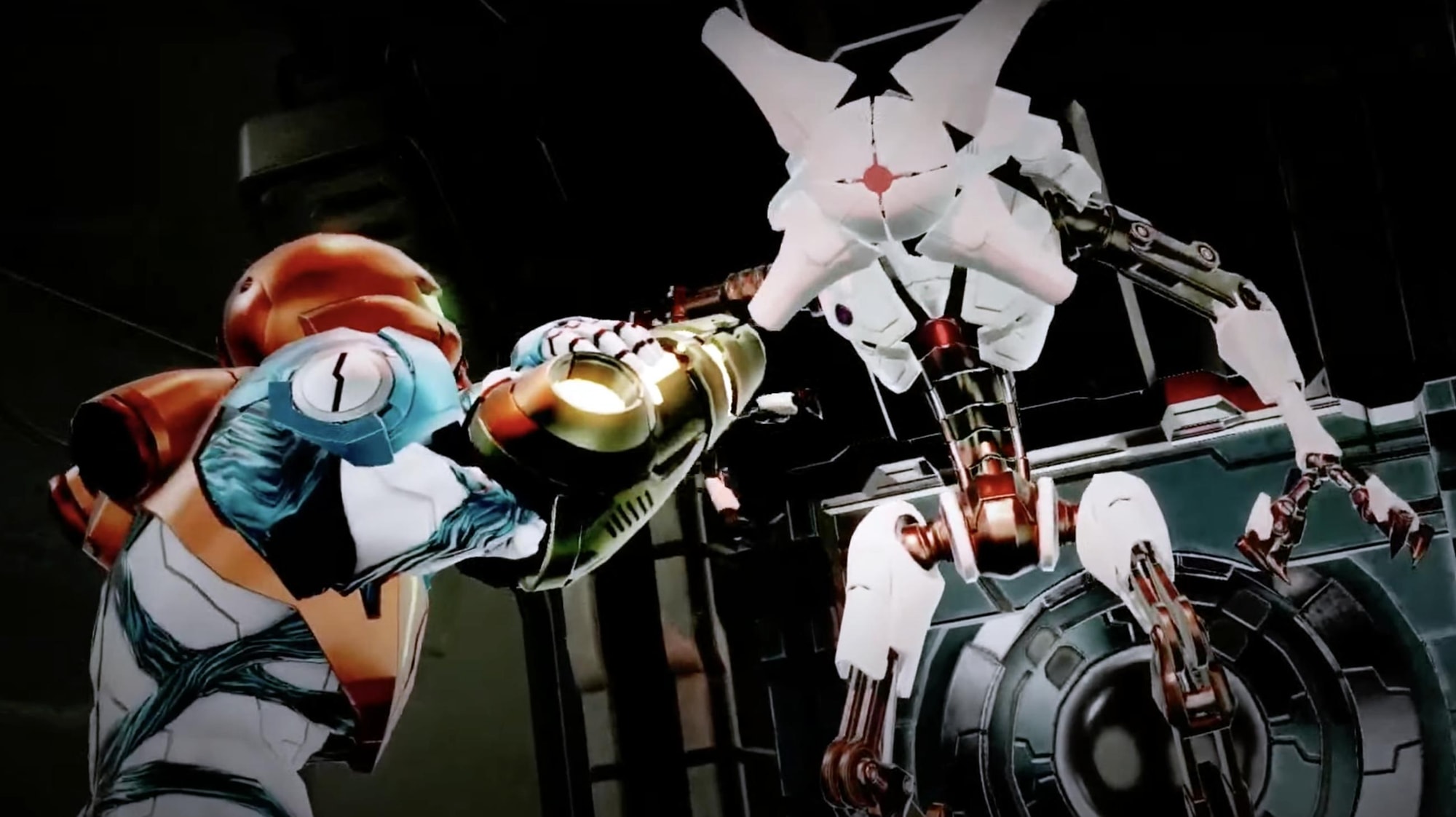
Metroid Dread came out on 8 October 2021 on Nintendo Switch, made by MercurySteam and Nintendo EPD with Yoshio Sakamoto as producer. It is the sequel to Fusion: Samus follows a transmission to the planet ZDR, where the X parasite has survived and seven E.M.M.I. robots have gone silent.
The E.M.M.I. hunt Samus in sealed zones, and you can only hide or catch the short window for a melee counter to escape. The twist comes with Raven Beak, a Chozo warrior who has been steering events. It holds an 88 on Metacritic, won best action/adventure game at The Game Awards 2021 and has sold over three million copies, more than any other game in the series.
Metroid Prime Remastered
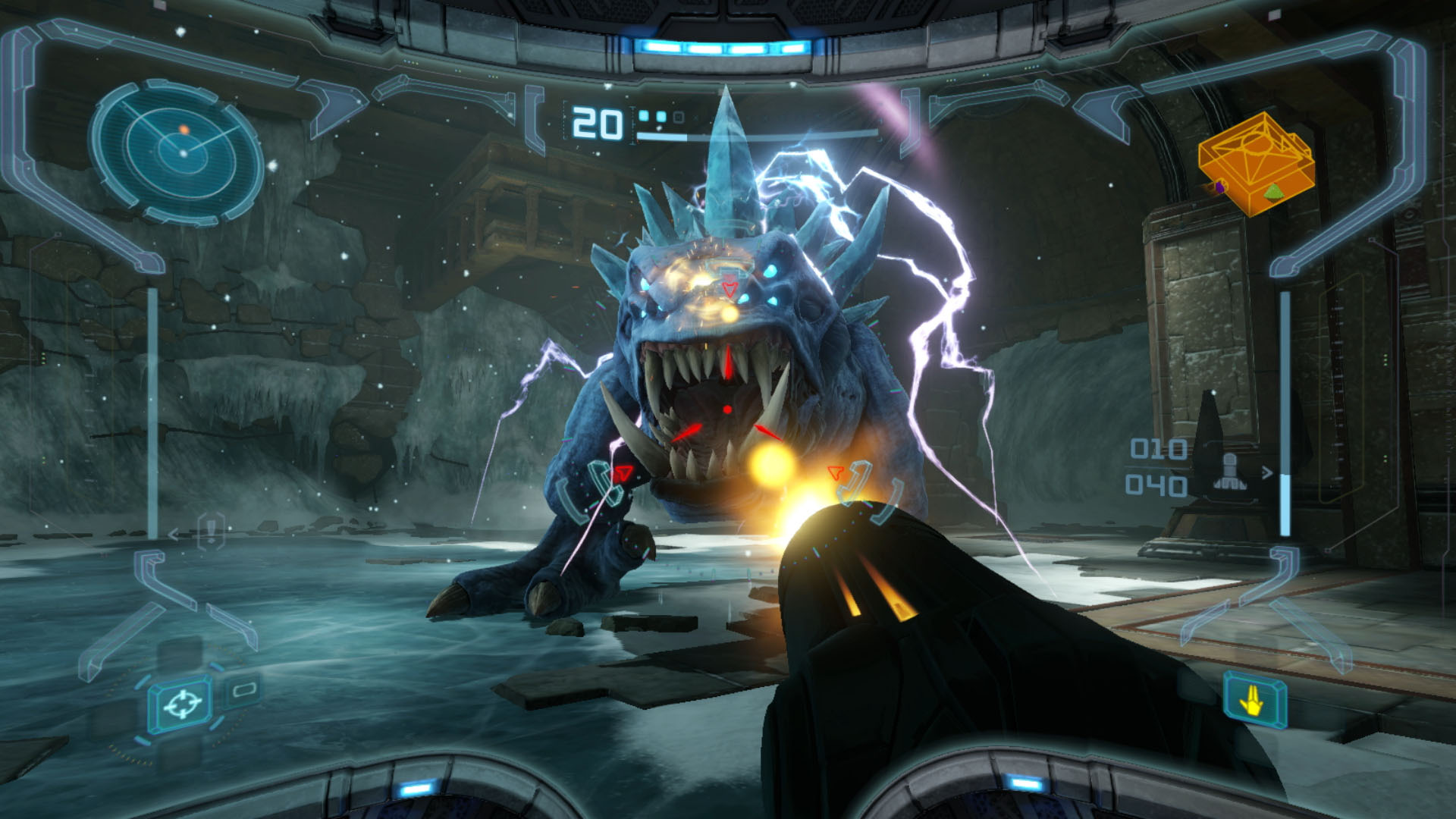
Metroid Prime Remastered is the Switch version of the 2002 original, released in February 2023. Retro Studios made it with Iron Galaxy and others. It has new visuals and several control schemes, among them dual-stick, tank and pointer controls.
The story and the world are those of the 2002 game. It scored 94 on Metacritic and sold over a million copies by March 2023.
Metroid Prime 4: Beyond
Metroid Prime 4: Beyond was released on 4 December 2025 for Nintendo Switch and Switch 2, about eighteen years after Corruption. Development began at Bandai Namco in 2016 and was restarted at Retro Studios in 2019. Samus is sent to the planet Viewros to stop Space Pirates stealing an artifact, with her rival Sylux standing in her way.
She gains psychic powers that steer beam shots, reveal hidden platforms and move objects, and she crosses the hub area Sol Valley on the Vi-O-La motorcycle. The Switch 2 version adds sharper visuals and optional mouse-style Joy-Con 2 controls. It scored 78 on Metacritic, and Nintendo said it had sold over a million copies by February 2026.
Spin-Offs
Metroid Prime Pinball, from Fuse Games for Nintendo DS in 2005, is a pinball game in the style of Metroid Prime and the first DS game to ship with the Rumble Pak. Metroid Prime: Federation Force, from Next Level Games for Nintendo 3DS in 2016, is a four-player co-op shooter in which Federation Marines fight Space Pirates in mechs, with Samus only in a supporting role. It also has Blast Ball, a three-on-three mech sports mode.
Metroid Prime Trilogy, a 2009 Wii compilation, gathers Prime, Echoes and Corruption with the Wii Remote controls. Nintendo stopped making it in January 2010, and it was added to the Wii U eShop in 2015.
What Makes a Metroid Game
Three things hold the series together. The first is Samus Aran and her power suit, with the Morph Ball, Missiles and Beams as the core kit. The second is the world: one large map of linked areas where upgrades open the way to places you have already seen. The third is isolation, a lone hunter on a hostile planet who learns the story through scans, logs and her surroundings.
The 2D games and the Prime games take that in different directions. The 2D games are fast and precise and built around movement, while the Prime games are slow and observant and built around scanning and atmosphere.
Metroid Developers
The studios that have built the series.
Nintendo R&D1
Nintendo's internal studio under Gunpei Yokoi. It made the 2D games from the 1986 original to Zero Mission in 2004, with Intelligent Systems on the programming of the first game and Super Metroid.
Retro Studios
The Austin studio that has made the Prime games since 2002. It returned for Metroid Prime 4: Beyond after Nintendo restarted the project in 2019.
MercurySteam
The Spanish studio that remade Metroid II as Samus Returns with Nintendo EPD in 2017 and then made Metroid Dread.
Metroid Platforms
Where the games have been released, and how many of them each platform family runs.
09Games by platform
- Nintendo
- 9 of 9 gamesNintendo 3DS • Nintendo Switch • Wii • Wii U • Nintendo Entertainment System • Nintendo GameCube • Nintendo Switch 2
Every Metroid game has run on a Nintendo system. The 2D games began on the Famicom Disk System and NES, then moved to Game Boy, Super Nintendo and Game Boy Advance. The Prime games began on GameCube and Nintendo DS, and Corruption and Other M were made for Wii.
Samus Returns was made for Nintendo 3DS. Metroid Dread, Metroid Prime Remastered and Metroid Prime 4: Beyond are on Switch, and Beyond also has a Switch 2 version. Several older games reached later systems through Virtual Console and Nintendo Classics.
Metroid Lists and Rankings
 Metroid
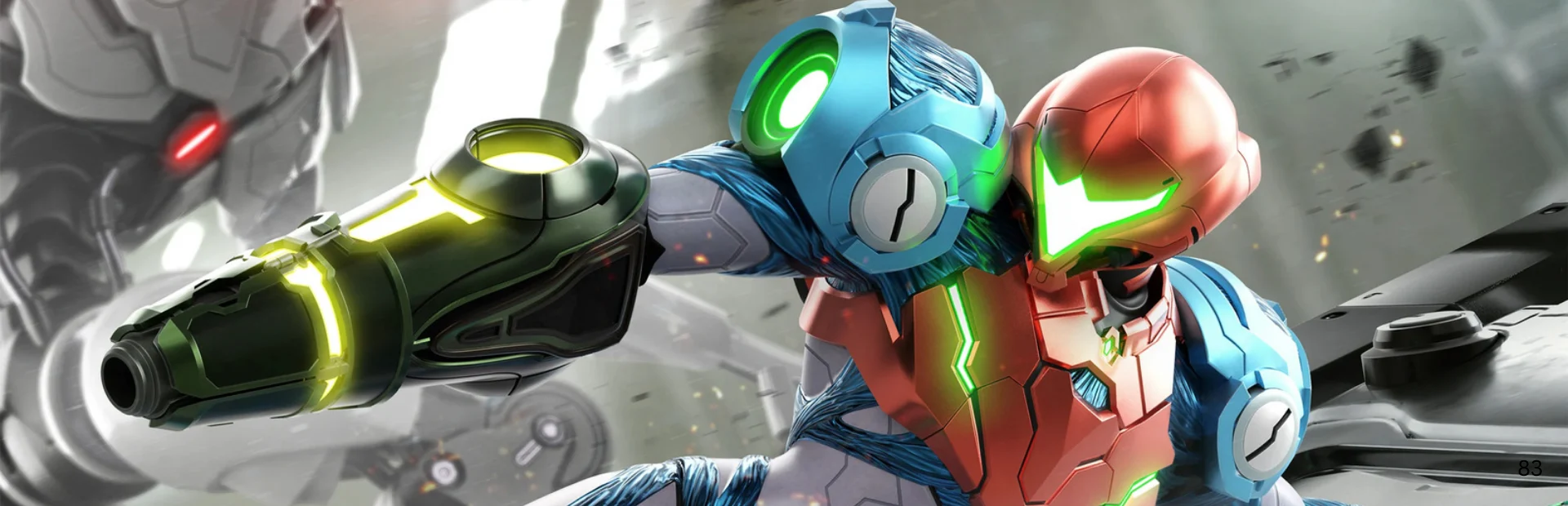
10 Best Metroid Games to Play While You Wait for Metroid Ravenous
Samus' greatest adventures turn every new ability into a reason to reconsider the hostile world around her.
 Game Lists
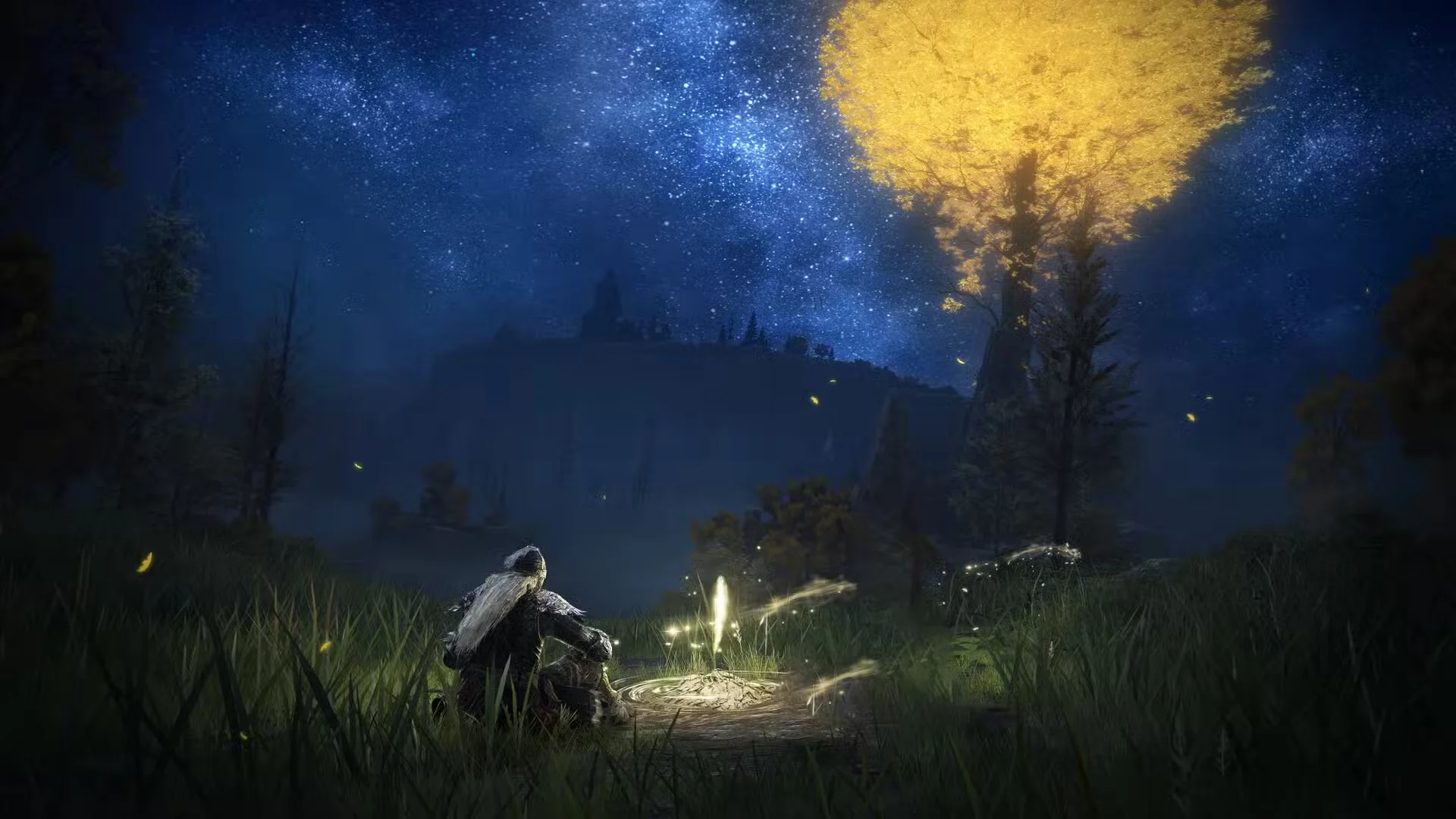
Best Metroidvania Games on PC, Switch, and PS5
These are the games that understand the real thrill of the genre: not just fighting bosses or grabbing upgrades, but that little pull to keep going because the next room might change the whole map.
Metroid News
Search all metroid stories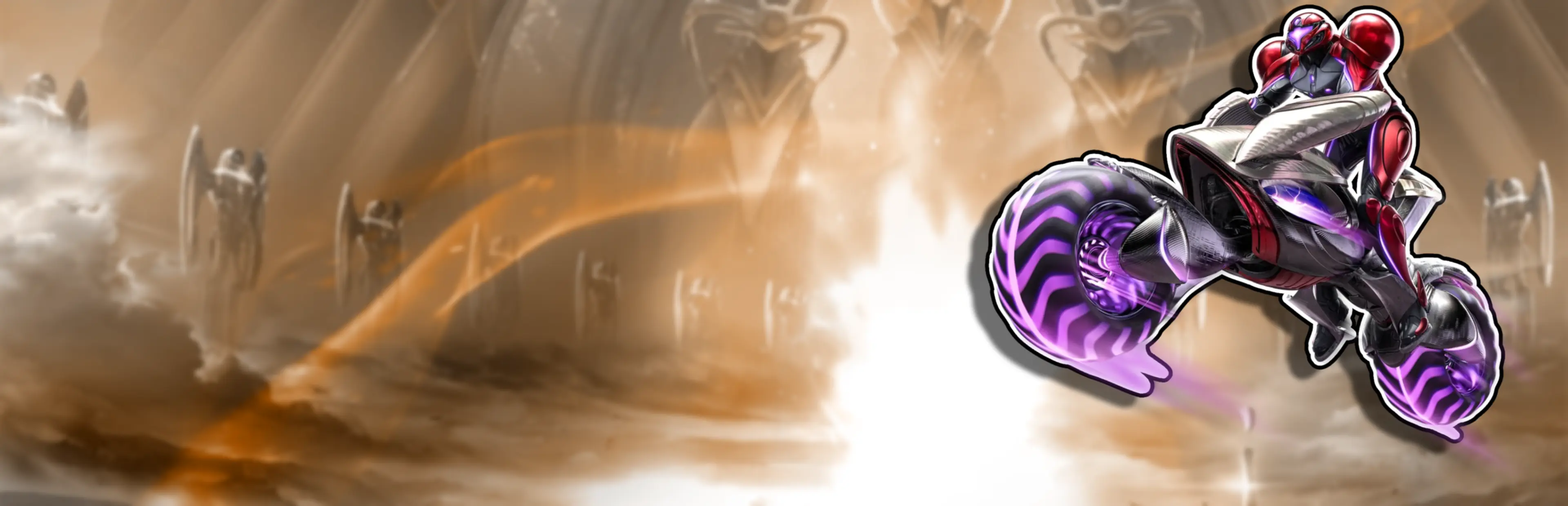

All Metroid Games
Metroid
It's you against the evil Mother Brain in the thrilling battle of Metroid! You're inside the fortress planet Zebes. The planet of endless secret passageways where the Metroid are multiplying. Left alone the Metroid are harmless.ShooterPlatform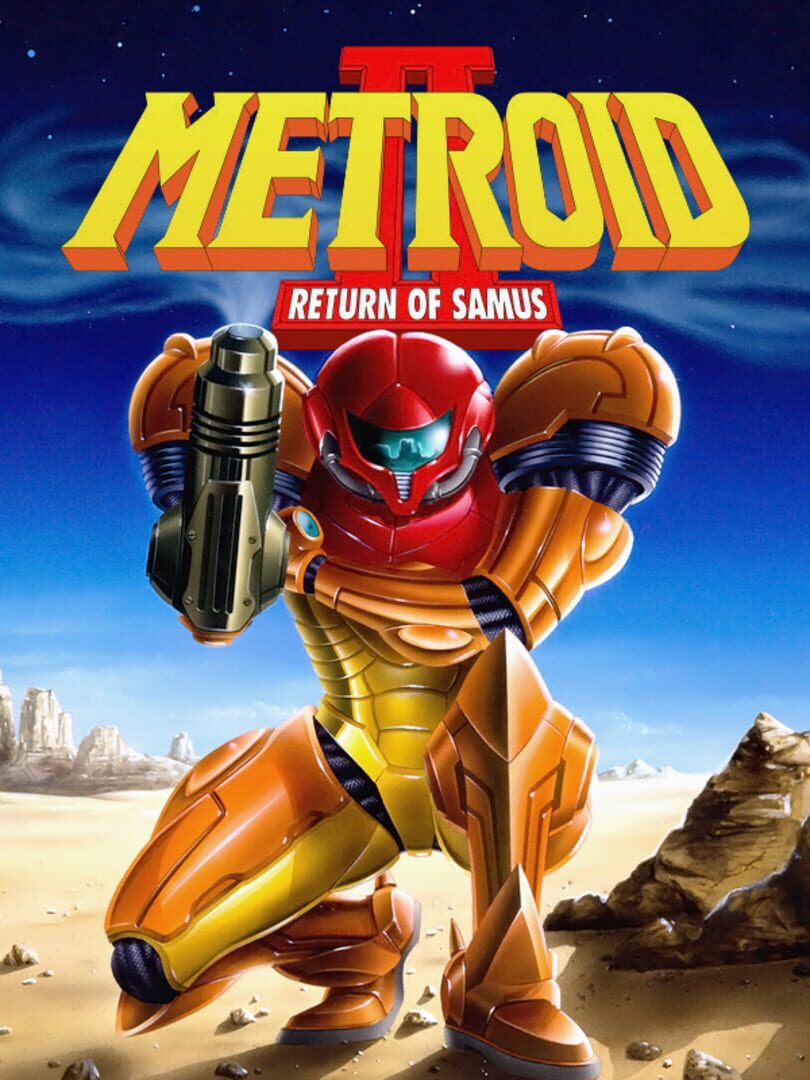
Metroid II: Return of Samus
Released 1991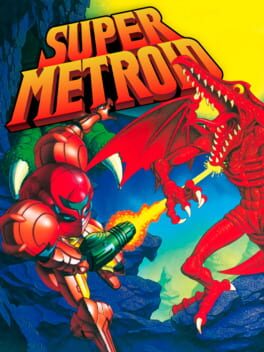
Super Metroid
The Space Pirates, merciless agents of the evil Mother Brain, have stolen the last Metroid from a research station, and once again Mother Brain threatens the safety of the galaxy!ShooterPlatform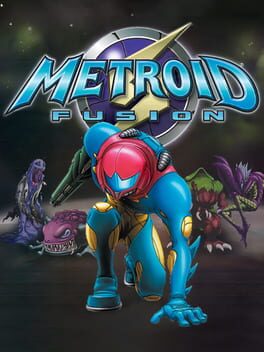
Metroid Fusion
Metroid Fusion is a side-scrolling action-adventure game that combines exploration, combat, and progression within a structured environment. Players navigate distinct sectors, acquire new abilities, and unlock access to previously restricted areas as they advance.ShooterPlatform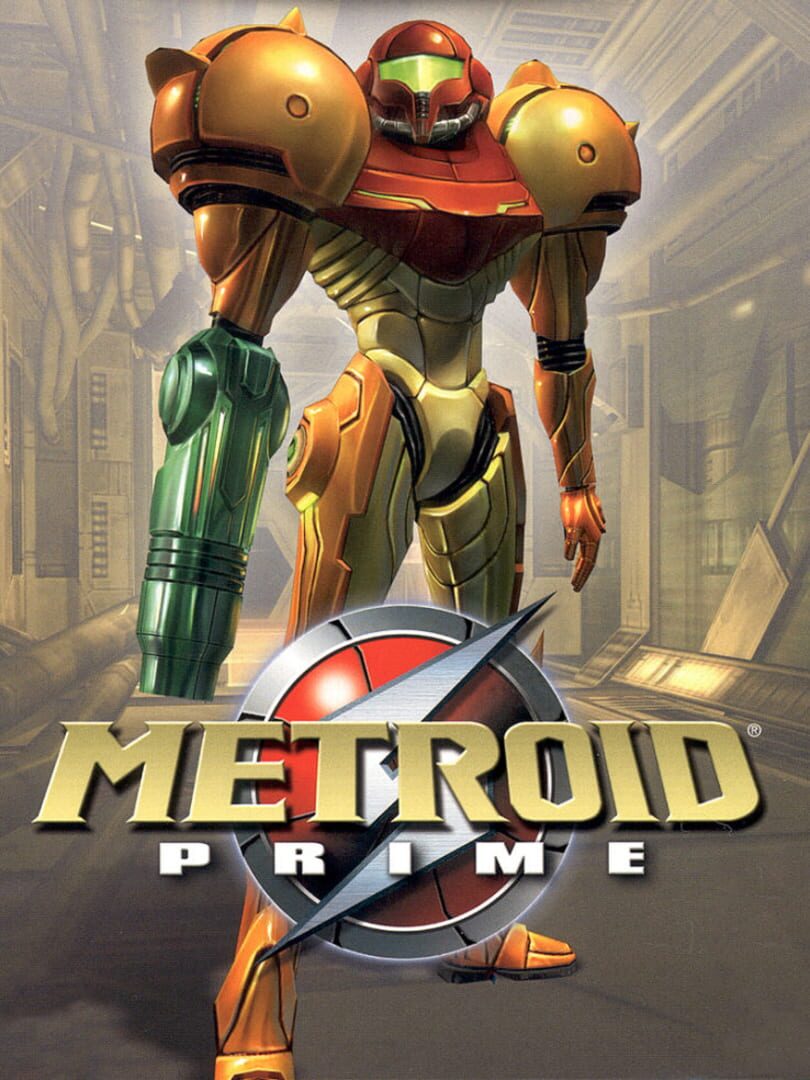
Metroid Prime
Released 2002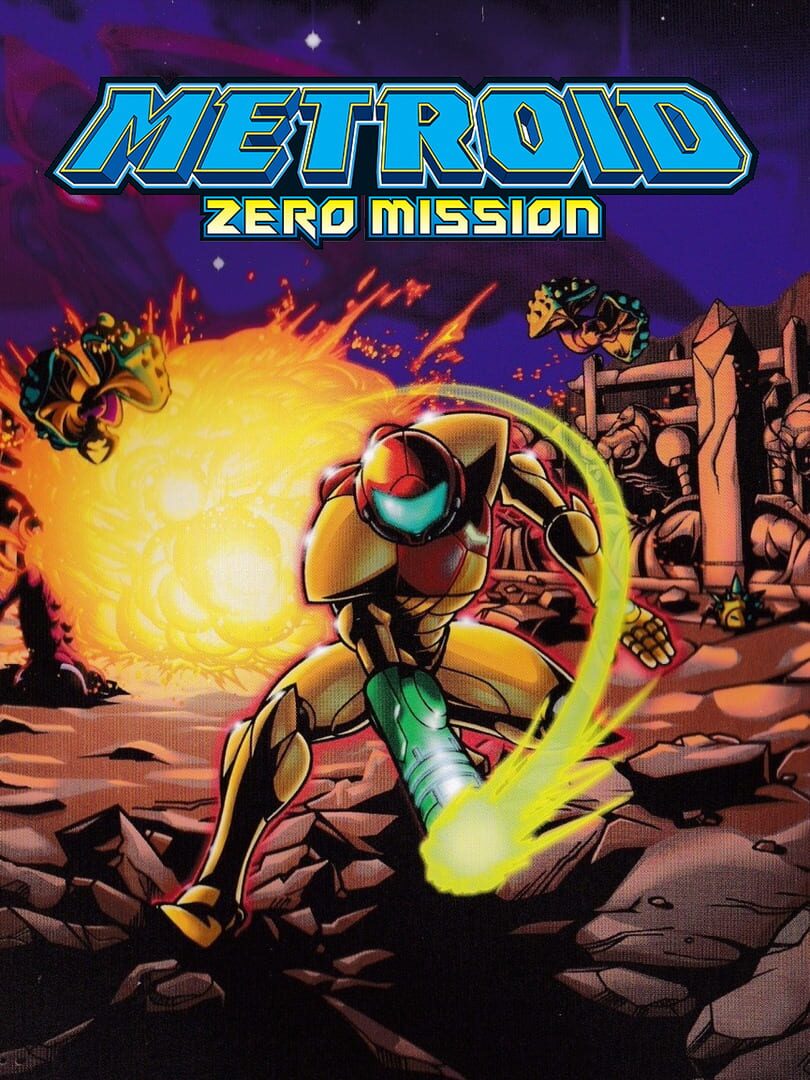
Metroid: Zero Mission
Released 2004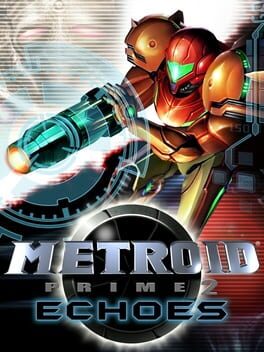
Metroid Prime 2: Echoes
An exploration-driven 3D metroidvania/first-person shooter hybrid and sequel to Metroid Prime (2002) in which Samus lands on Aether, an intricate planet torn into light and dark versions of itself, to help its remaining inhabitants defend against the invaders from its dark…ShooterPlatform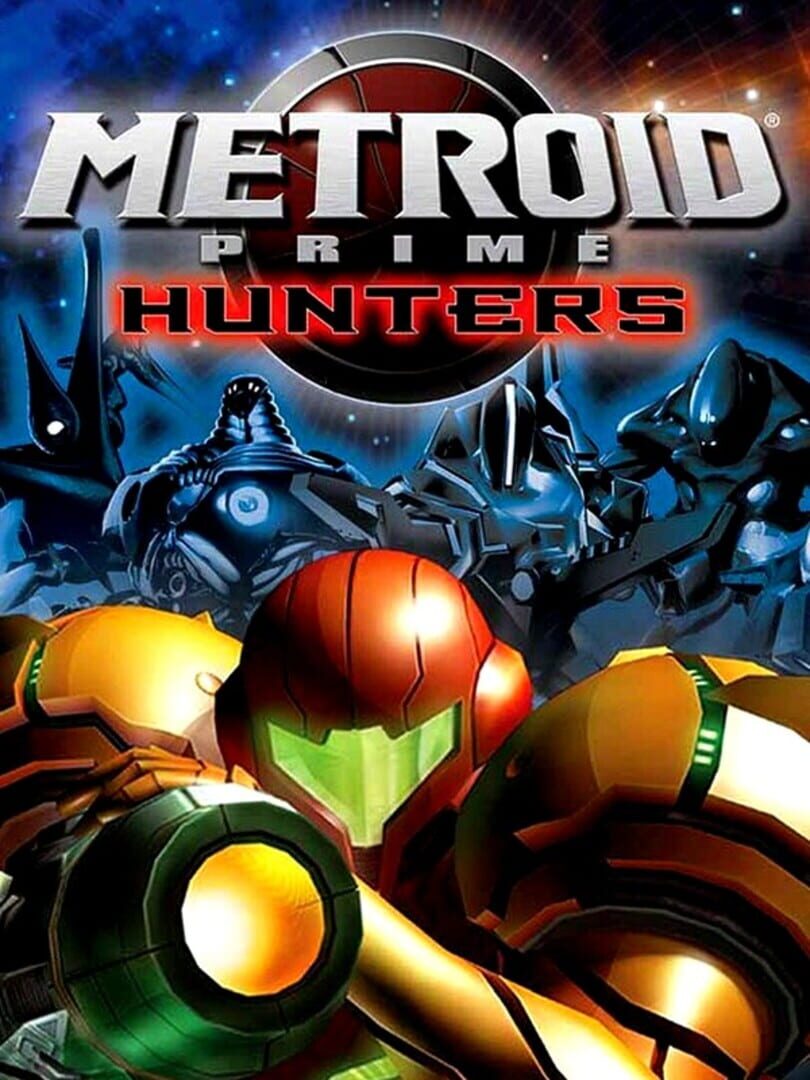
Metroid Prime Hunters
Released 2006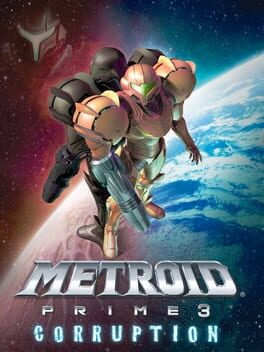
Metroid Prime 3: Corruption
The trilogy closes as corruption creeps over the universe… and into Samus Aran. Using the Wii Remote and Nunchuk, players control Samus as she partners with other bounty hunters, shoots down enemies, and explores alien worlds in a harrowing mission to stop the mutagenic Phazon…ShooterPlatform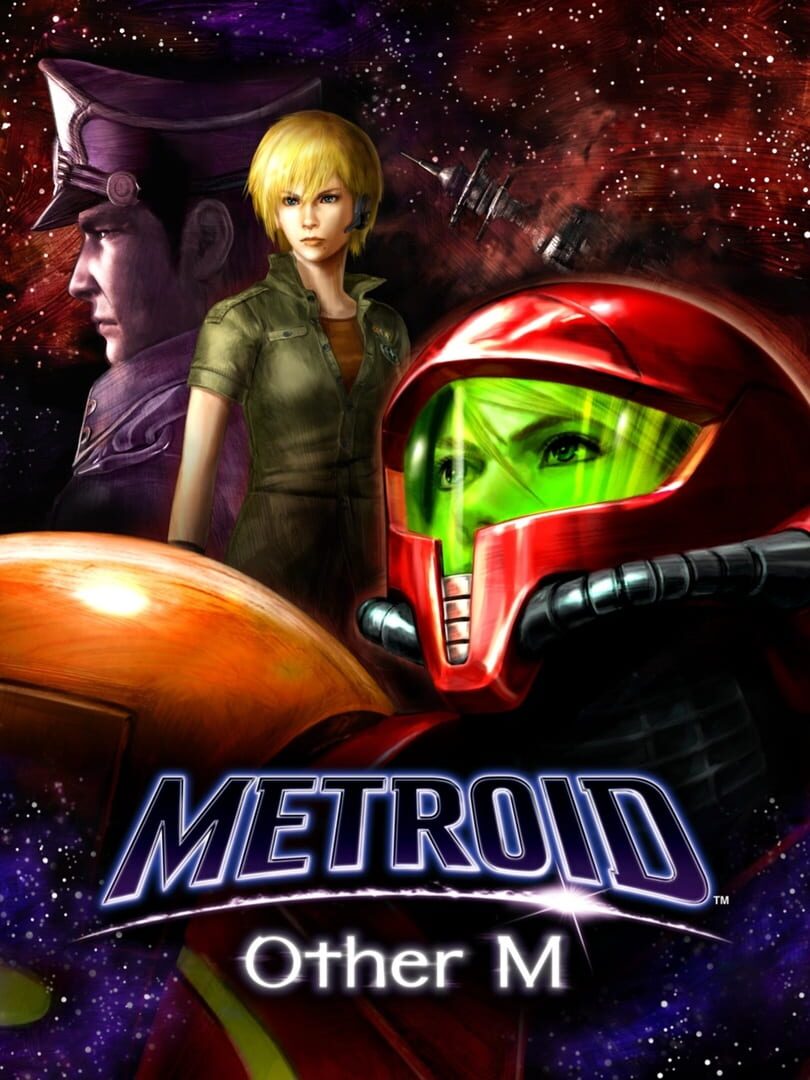
Metroid: Other M
Released 2010
Metroid: Samus Returns
Metroid: Samus Returns is a remake of Metroid 2: Return of Samus. It uses a 3D graphic style with a side view camera that zooms in and changes for cutscenes. It also has new mechanics, items, and abilities.PlatformAdventure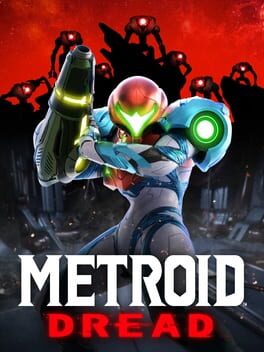 fps
Metroid Dread
Join intergalactic bounty hunter Samus Aran in her first new 2D Metroid story in 19 years. Samus’ story continues after the events of the Metroid Fusion game when she descends upon planet ZDR to investigate a mysterious transmission sent to the Galactic Federation.ShooterPlatform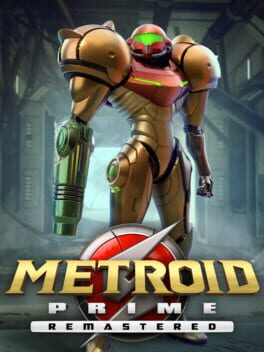 fps
Metroid Prime Remastered
Get behind the visor of intergalactic bounty hunter Samus Aran in her critically-acclaimed first-person adventure. Step into the boots of Samus Aran as you navigate the winding paths and interconnected environments of an alluring-yet-dangerous alien planet.ShooterPlatform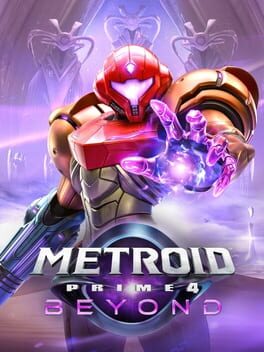 fps
Metroid Prime 4: Beyond
Deadly sharpshooter Sylux has finally caught up with renowned bounty hunter Samus Aran! After an unexpected accident in the wake of their clash, Samus finds herself transported to Viewros, a mysterious planet once inhabited by an ancient race.ShooterPlatformNo games match your criteria
Can't find your game?
Help us grow the Zero1 Gaming library: request a title by contacting our support team.
Request a game →