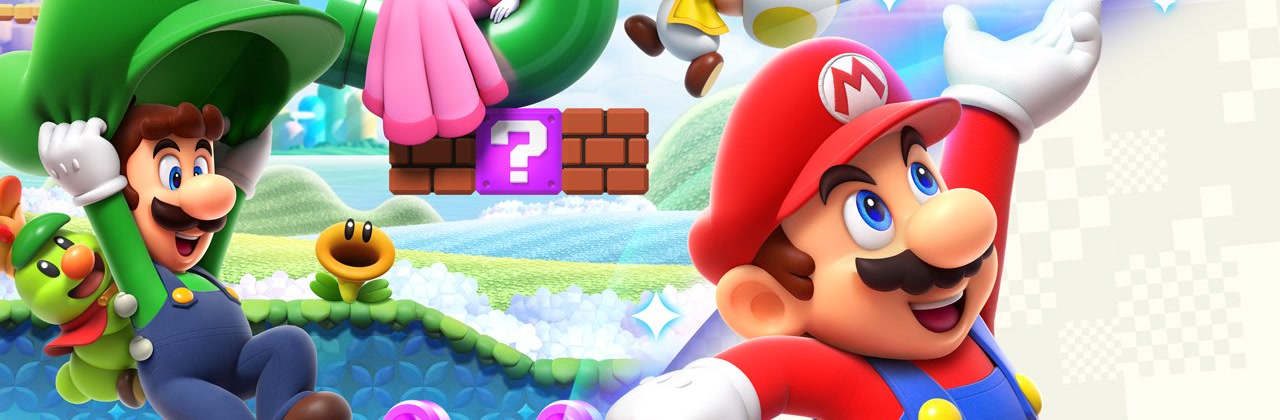
Mario Games
Every main Mario platformer in release order, the teams behind them, where the spin-offs fit and where to start.
- First Release
- 13 September 1985
- Latest Release
- 20 October 2023
- Publisher
- Nintendo
- Studios
- Nintendo EPD (earlier Nintendo R&D1, R&D4, EAD and EAD Tokyo)
- Genre
- Platformer
- Games
- 20
- Platforms
- Nintendo
Image: Nintendo EPD and Nintendo
Top Mario Games
Six standout games that show the range of the series, from the 1990 classic to the newest 2D game. They were chosen for their gameplay, quality and influence on the series.
Super Mario Odyssey2017
The best place to start in 3D, an open-world adventure where a living hat lets Mario take over his enemies.
Super Mario Bros. Wonder2023
The newest main game, a 2D platformer where Wonder Flowers keep changing the rules of a level.
Super Mario 641996
The game that took Mario into 3D, with analog-stick movement and 120 Power Stars to find.
Super Mario World1990
The Super Nintendo classic that introduced Yoshi and filled its map with secret exits.
Super Mario Galaxy2007
A space adventure on small planets with their own gravity, and one of the best-reviewed games of its generation.
Super Mario Bros. 31988
The NES game with the world map and the raccoon tail, and the third best-selling game on the system.
Mario is the plumber who runs, jumps and stomps his way through the Mushroom Kingdom, and the series of platform games that carries his name is the backbone of Nintendo. He first appeared in 1981 in Donkey Kong, where he was called Jumpman, and Super Mario Bros. in 1985 turned him into a hero with a side-scrolling adventure of his own.
Almost every game sends Mario after Bowser, who has kidnapped Princess Peach, and the story is mostly a reason to play. What changes is the way you move. The series went from one screen of running and jumping to flying with a tail, riding a dinosaur, spinning around tiny planets and borrowing the bodies of enemies.
This page lists the main platformers in release order and gives each its own section, then covers the spin-offs and explains where to start. Every game with its own page here links to its release details, platforms and the latest news.
Mario Games in Release Order
Explore every main Mario platformer in release order, with each game's release year, studio and platforms.
011985
Super Mario Bros.
The original. Mario runs through eight worlds to reach Bowser, with a second player as Luigi, and sets the rules of the series.
021986
Super Mario Bros.: The Lost Levels
A much harder follow-up made for players who had finished the first game, with poison mushrooms and wind.
031988
Super Mario Bros. 2
A reworked Doki Doki Panic in which you pick one of four heroes and throw vegetables and enemies in the dream world of Subcon.
041988
Super Mario Bros. 3
Adds a world map, the raccoon tail and a set of suits, and sends Mario through seven kingdoms and a fleet of Koopaling airships.
051989
Super Mario Land
A Game Boy launch game set in Sarasaland, with a rescue of Princess Daisy and two shooter levels.
061990
Super Mario World
Dinosaur Land on the Super Nintendo, with Yoshi, a cape for flying and a map full of secret exits.
071992
Super Mario Land 2: 6 Golden Coins
Mario collects six golden coins to win back his castle from Wario, who debuts here, and turns into a rabbit with the Magic Carrot.
081996
Super Mario 64
The first 3D Mario. Paintings in Peach's castle lead to worlds where Mario collects Power Stars.
092002
Super Mario Sunshine
A holiday on Isle Delfino where Mario cleans up graffiti with a water backpack called F.L.U.D.D.
102006
New Super Mario Bros.
The return of side-scrolling Mario on the DS, with giant and tiny mushrooms and 3D models on a 2D stage.
112007
Super Mario Galaxy
Small planets with their own gravity, and Rosalina's Comet Observatory as the hub.
122009
New Super Mario Bros. Wii
Four players at once in the first co-op Super Mario game, with the Propeller and Penguin Suits.
132010
Super Mario Galaxy 2
Yoshi, the Spin Drill, Cloud Mario and 242 Power Stars across a new set of galaxies.
142011
Super Mario 3D Land
The 3DS game that brings the short, linear levels of the 2D games into three dimensions.
152012
New Super Mario Bros. 2
A 3DS game about coins, with the Gold Flower and a goal of collecting a million of them.
162012
New Super Mario Bros. U
A Wii U launch game in high definition, with a Flying Squirrel Suit and a fifth player in Boost Mode.
172013
Super Mario 3D World
Four playable heroes and a cat suit in the Sprixie Kingdom, a sequel to 3D Land for the Wii U.
182017
Super Mario Odyssey
An open 3D adventure on the Switch in which Mario takes over enemies with his living hat, Cappy.
192021
Bowser's Fury
A second campaign released with 3D World on the Switch, where Mario faces a giant, furious Bowser on an open island.
202023
Super Mario Bros. Wonder
The newest 2D game, in which Wonder Flowers turn levels upside down and you choose from twelve characters.
How to Play the Mario Games
Release order is the order of the Release Order list above. The games do not form one story, so you can start almost anywhere: each game opens with Bowser or one of his helpers causing trouble, and none of them needs the one before it. The series does have two lines. The side-scrolling games run from Super Mario Bros. through Super Mario World and the New Super Mario Bros. games to Wonder. The 3D games begin with Super Mario 64 and continue through Sunshine, the two Galaxy games, 3D Land, 3D World and Odyssey.
Start with Super Mario Bros. Wonder for a 2D game, or Super Mario Odyssey for a 3D one. Both are on the Switch, both are the newest of their kind and both are friendly to new players. For the classics, Super Mario World and Super Mario Bros. 3 are the best of the older 2D games, and Super Mario 64 is where the 3D games began. For a game to play with friends, New Super Mario Bros. Wii and Super Mario 3D World are built for four players.
Playing one line from start to finish shows how its ideas grew, and the two lines can be played side by side.
Super Mario Bros. and The Lost Levels
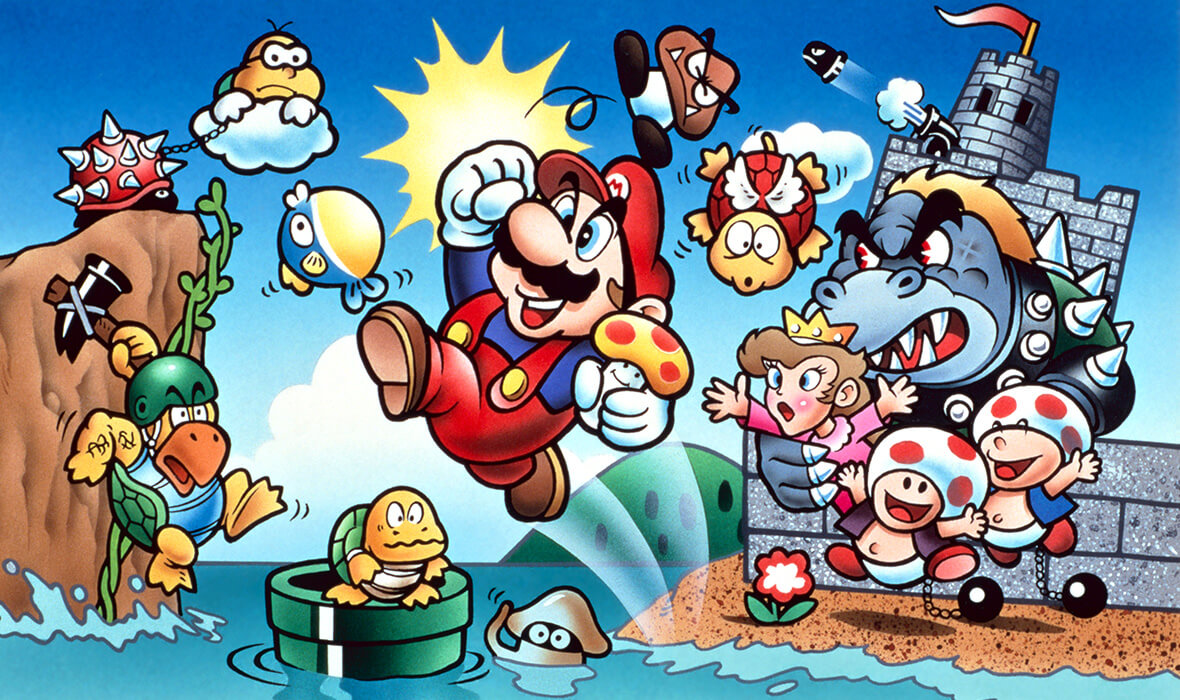
Super Mario Bros. came out in Japan in September 1985 from Nintendo R&D4, designed by Shigeru Miyamoto and Takashi Tezuka. Mario crosses eight worlds of four stages each to rescue Princess Toadstool from Bowser, and a second player takes over as Luigi. It sold more than 40 million copies on the NES and set the rules that the series still follows: run right, jump on enemies, grow with a mushroom.
The Lost Levels followed in Japan in 1986 as that country's Super Mario Bros. 2. It was a much harder set of levels for players who had finished the first game, with poison mushrooms and gusts of wind, and Nintendo of America judged it too difficult for the West. Players outside Japan got it in 1993 inside Super Mario All-Stars.
Super Mario Bros. 2
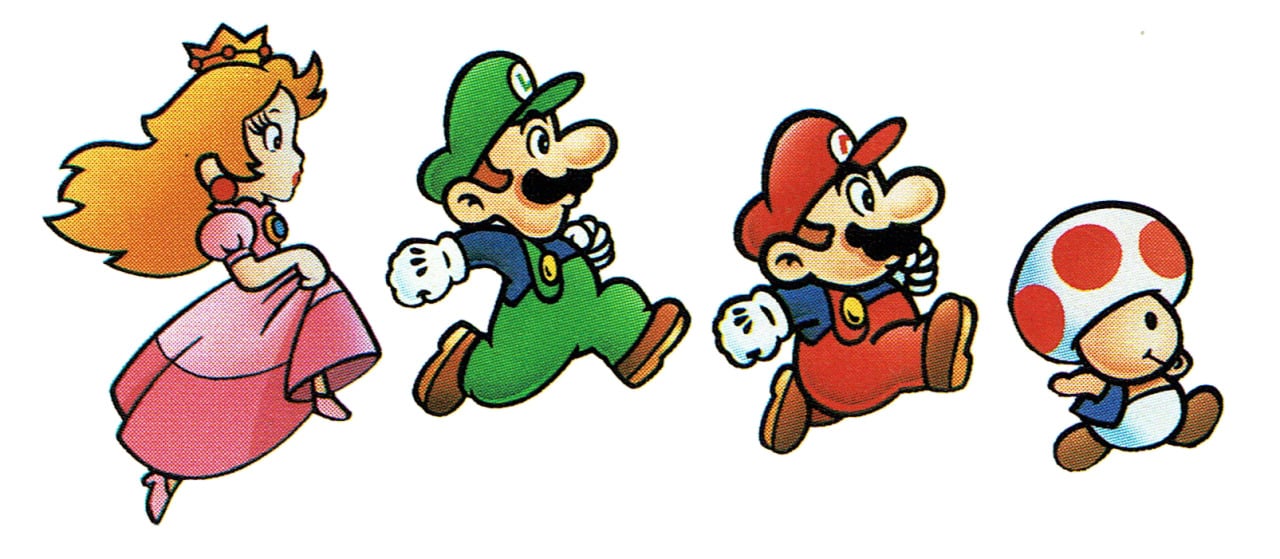
Super Mario Bros. 2 reached North America in October 1988 and is the odd one out. It began as Doki Doki Panic, a game built around a Japanese TV festival, and Nintendo reworked it with the Mario cast. You choose Mario, Luigi, Toad or Princess Peach, each with a different jump and strength.
Instead of stomping most enemies you pick up vegetables and enemies and throw them. The setting is Subcon, a dream world ruled by the frog Wart, and Japan received the same game in 1992 under the name Super Mario USA.
Super Mario Bros. 3
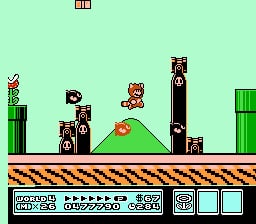
Super Mario Bros. 3 launched in Japan in October 1988 and in North America in February 1990. It added a world map that connects the levels of each kingdom, and a set of suits: the Super Leaf gives Mario a raccoon tail for short flights, and the Tanooki Suit lets him fly and turn into a statue.
Seven kingdoms lead to Bowser's castle in Dark Land, and each kingdom ends with an airship commanded by one of Bowser's seven children, the Koopalings. It sold more than 17 million copies and is the third best-selling NES game.
Super Mario Land and Super Mario Land 2
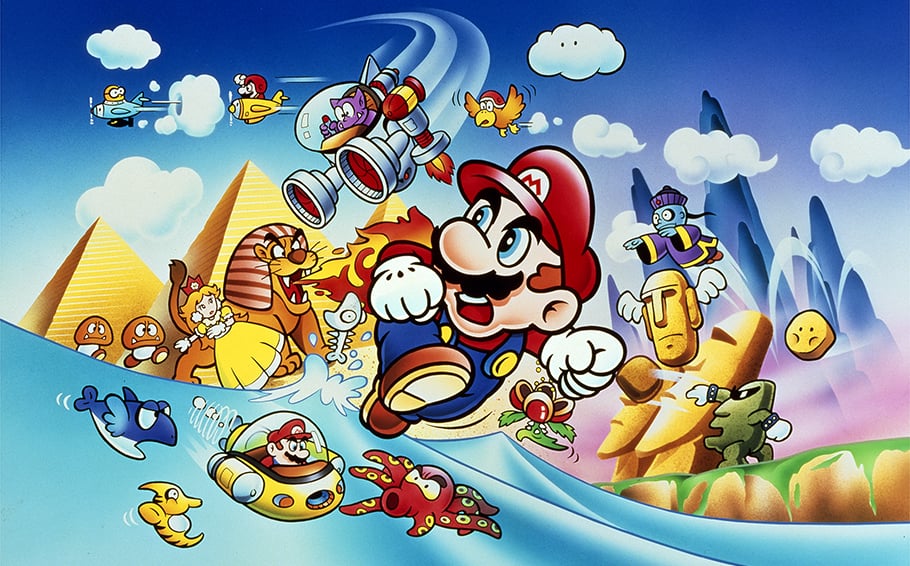
Super Mario Land was one of the four launch games for the Game Boy in 1989. Nintendo R&D1 made it under Gunpei Yokoi, without Miyamoto directing, and it moves Mario to Sarasaland, where he rescues Princess Daisy from the alien Tatanga. It has twelve levels in four worlds, including two shooter stages where Mario pilots a submarine and a plane, and it sold more than 25 million copies.
Super Mario Land 2: 6 Golden Coins arrived in 1992 and brought a world map and the Magic Carrot, which turns Mario into a rabbit who can float down slowly. Wario, who later led his own series, made his debut here: he has taken over Mario's castle, and Mario needs six golden coins to get back in.
Super Mario World
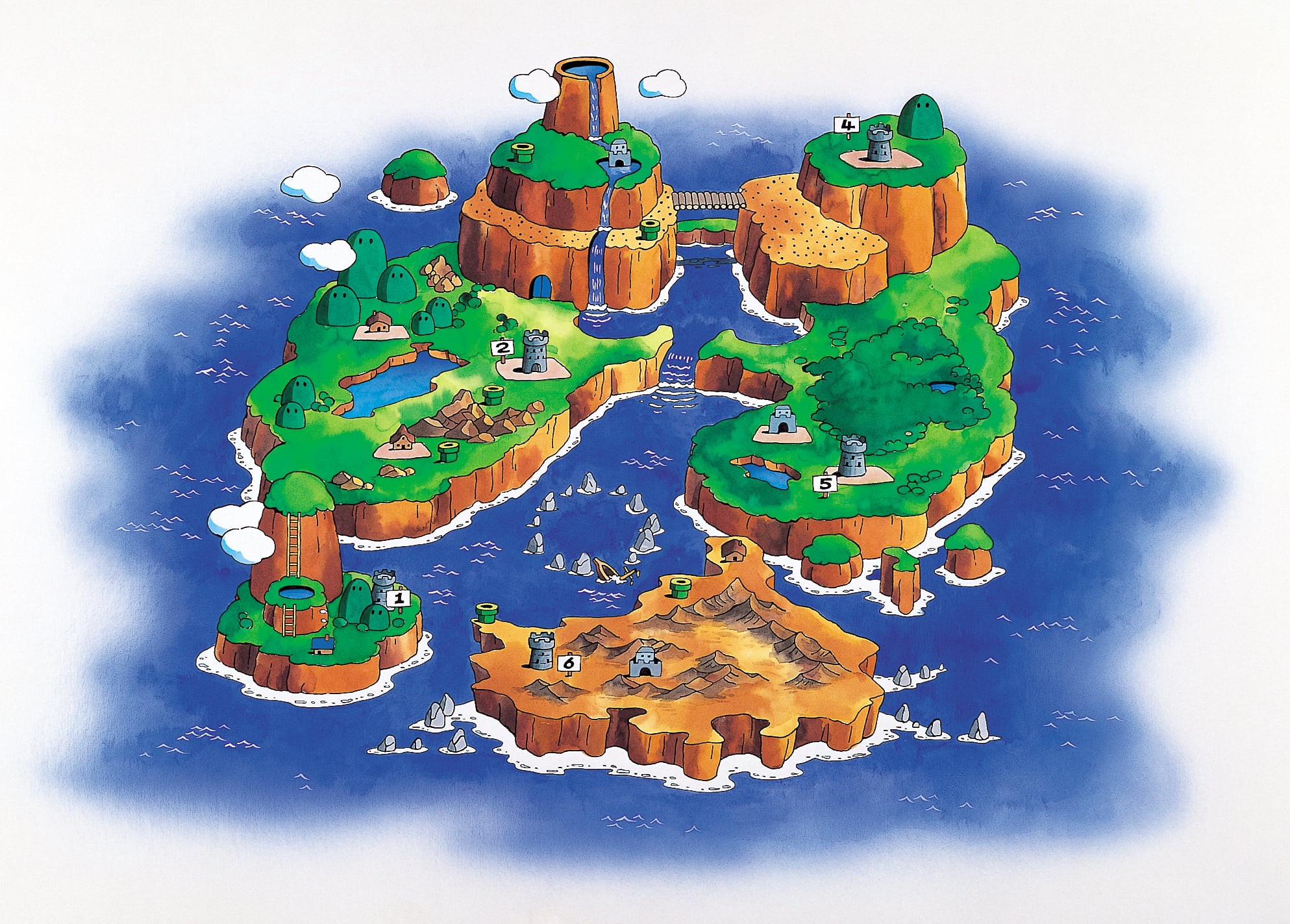
Super Mario World was a launch game for the Super Nintendo in Japan in November 1990 and reached North America in August 1991. Mario and Luigi are on holiday in Dinosaur Land when Bowser takes Princess Toadstool and the Koopalings trap Yoshi's friends in eggs.
It introduced Yoshi as a rideable partner who eats enemies, and a Cape Feather that lets Mario fly and glide. Hidden keys unlock secret exits and the Star Road shortcuts, and the 96 exits in the game made it one for players who like to explore every corner.
Super Mario 64
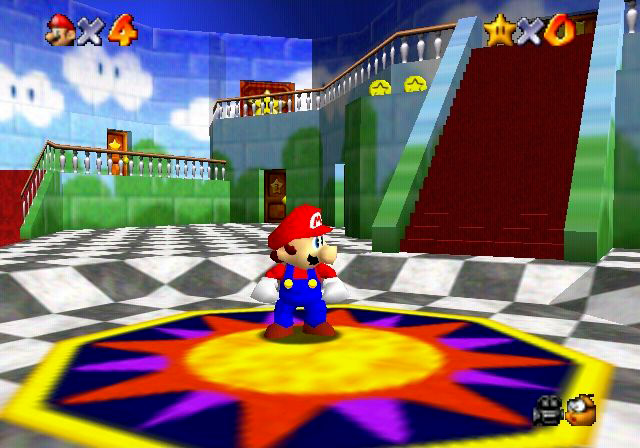
Super Mario 64 came out in Japan in June 1996 and in North America in September 1996, and it moved the series into 3D. Bowser has hidden the 120 Power Stars of Princess Peach's castle in paintings that lead to other worlds, and Mario jumps into them to collect the stars.
The Nintendo 64 analog stick allowed movement in every direction, which was new at the time, and a camera operated by Lakitu follows Mario. Instead of the usual power-ups, three coloured switches unlock caps that give flight, invulnerability or the power to pass through objects. It is the best-selling Nintendo 64 game, and a Nintendo DS remake followed in 2004.
Super Mario Sunshine
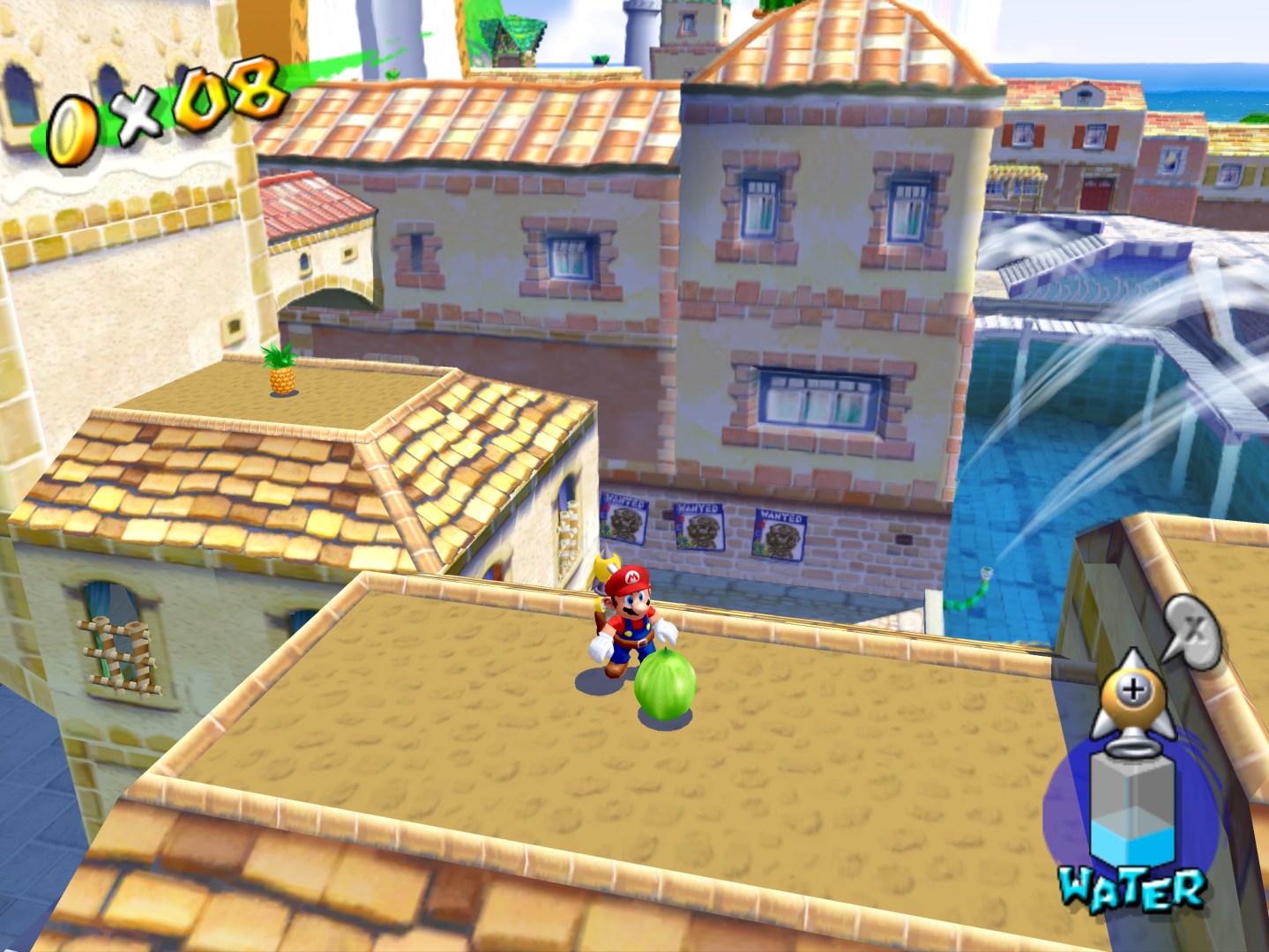
Super Mario Sunshine was released on the GameCube in 2002 and sends Mario on holiday to the tropical Isle Delfino. A figure called Shadow Mario covers the island in graffiti and Mario takes the blame, so he has to clean it up. The culprit turns out to be Bowser Jr.
Mario carries F.L.U.D.D., a water backpack with several nozzles that he uses to spray paint away, hover and move around, and he collects 120 Shine Sprites. It is also the first 3D Mario where you can ride Yoshi. It returned on the Switch in 2020 in Super Mario 3D All-Stars.
New Super Mario Bros.
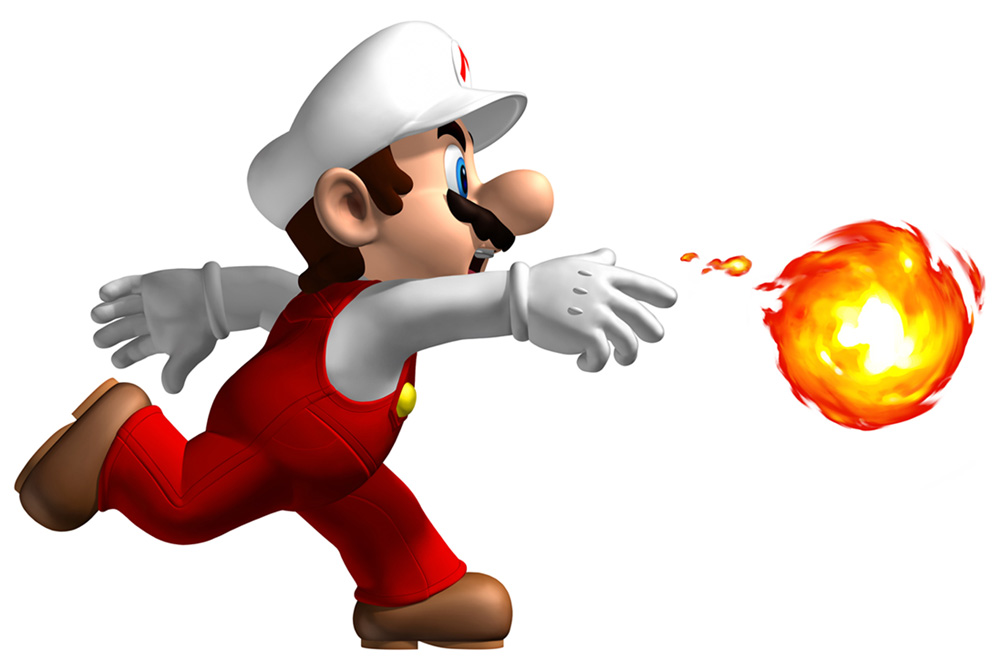
New Super Mario Bros. arrived on the Nintendo DS in May 2006 and was the first side-scrolling Super Mario game since Yoshi's Island in 1995. The characters are 3D models on 2D backgrounds, and you play Mario or Luigi through eight worlds to save Peach from Bowser Jr. and Bowser.
New power-ups include the Mega Mushroom, which makes Mario giant, the Mini Mushroom and the Blue Koopa Shell. It sold 30.8 million copies and is the best-selling Nintendo DS game, and it started a run of New Super Mario Bros. games.
Super Mario Galaxy
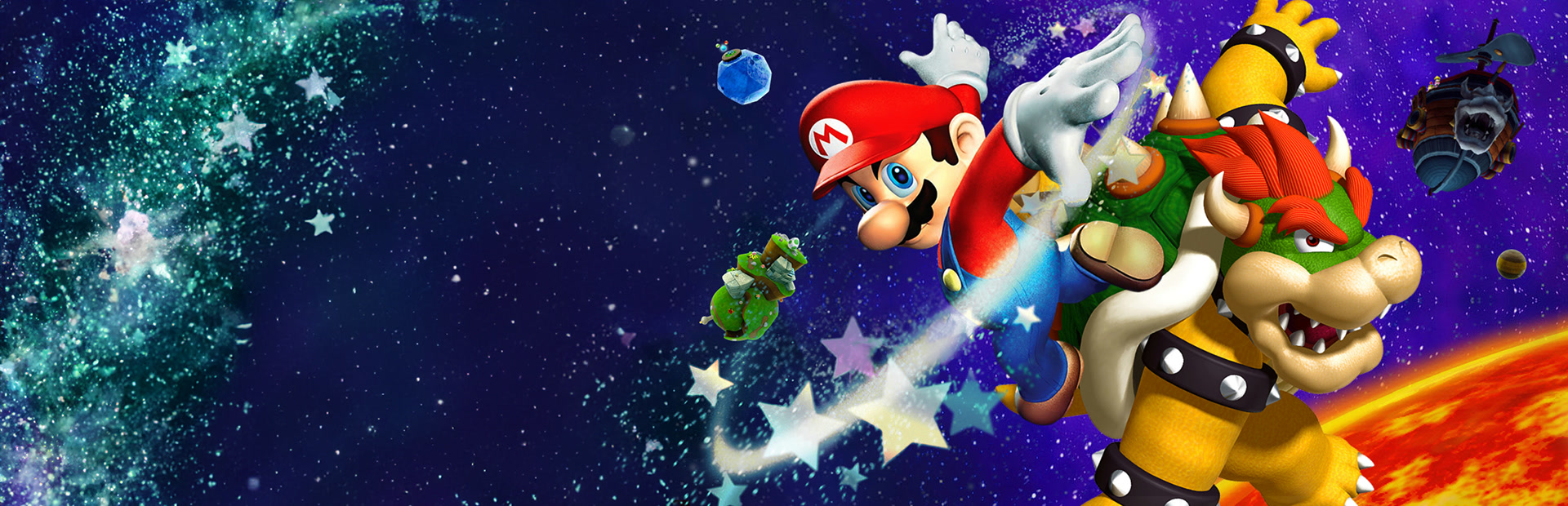
Super Mario Galaxy came to the Wii in November 2007 from Nintendo EAD Tokyo. Bowser lifts Peach's castle into space, and Mario travels with Rosalina and the Lumas to bring back the stolen Power Stars. The levels are small planets and structures, each with its own gravity, so Mario can walk around them and under them.
The Wii Remote works as a pointer for collecting Star Bits and stunning enemies, and the Bee Mushroom and Spring Mushroom are among the new power-ups. It was the first Nintendo game to win the BAFTA award for best game, and it returned on the Switch in 2025 together with its sequel.
New Super Mario Bros. Wii
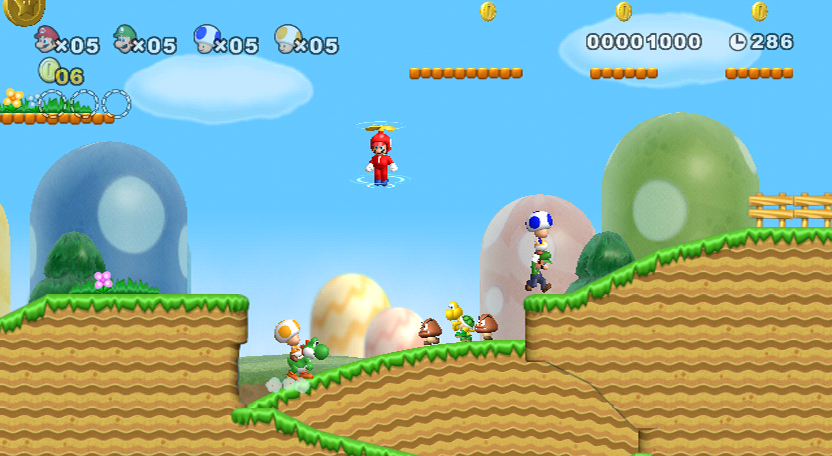
New Super Mario Bros. Wii is the first Super Mario game where up to four people play at the same time, as Mario, Luigi and two Toads. It was released in November 2009 and sold more than 30 million copies.
The Propeller Suit lets you fly for a short time by shaking the controller, and the Penguin Suit lets you slide and shoot ice. If you die eight times in a level, a green block calls in a computer-controlled Luigi who shows the way through.
Super Mario Galaxy 2
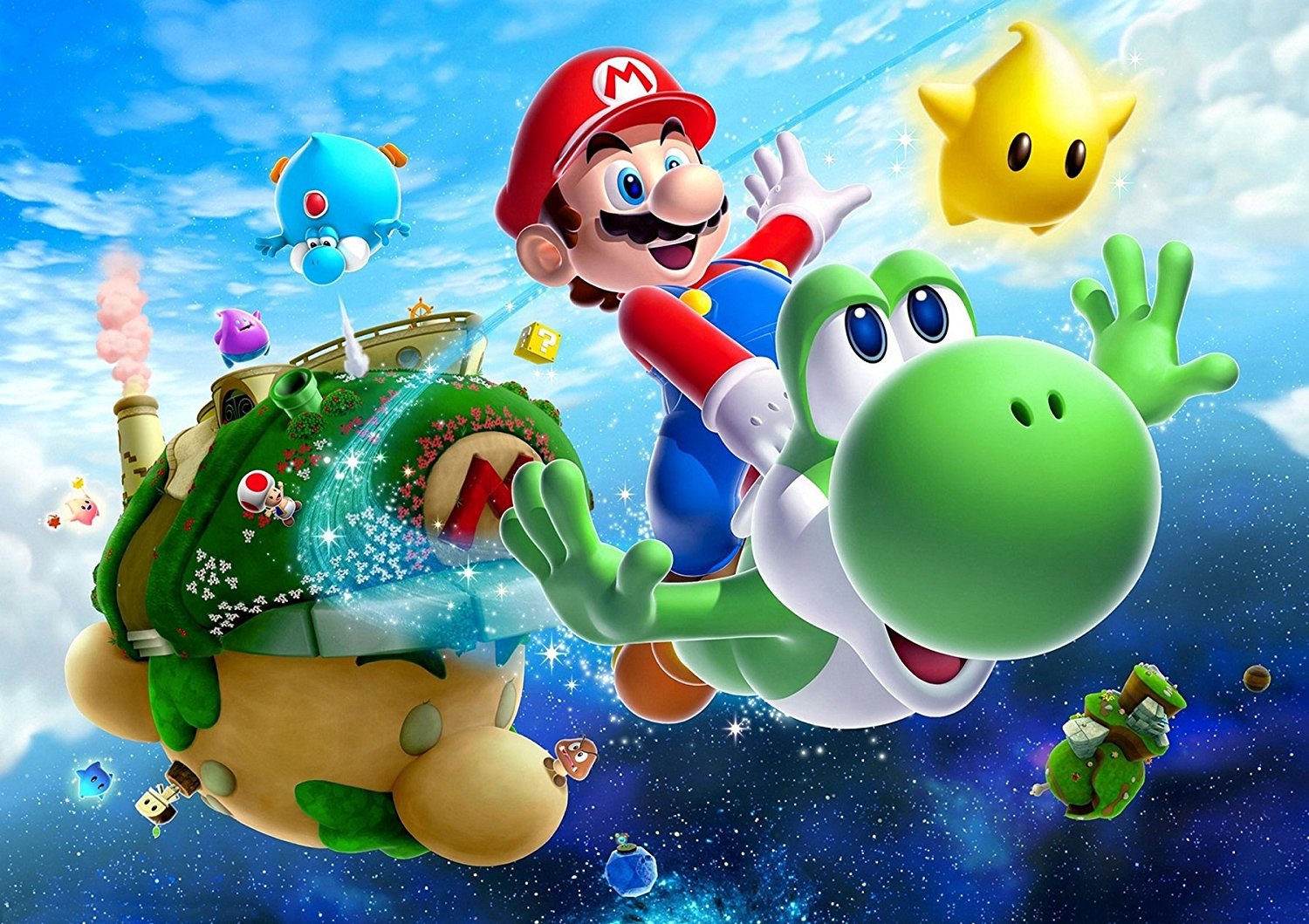
Super Mario Galaxy 2 followed in May 2010 and keeps the planets and the gravity of the first game. Mario chases Bowser through space to rescue Peach, and the mobile hub is Starship Mario, which grows as you unlock new abilities and levels.
Yoshi returns with his tongue and flutter jump, the Spin Drill lets Mario burrow through a planet, Cloud Mario makes platforms in mid-air and Rock Mario rolls like a boulder. The game has 242 Power Stars and sold over seven million copies.
Super Mario 3D Land
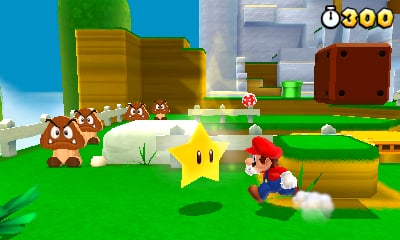
Super Mario 3D Land was the first Mario game on the Nintendo 3DS, released in November 2011. Shigeru Miyamoto described it as a 3D Mario that plays like a 2D Mario game: the levels are short and linear, like the older games, but you move in three dimensions and the 3DS screen shows depth.
The Tanooki Suit returns from Super Mario Bros. 3 and the Boomerang Flower is new. Bowser takes Peach again to get leaves from the Tail Tree, and Luigi is captured before the end.
New Super Mario Bros. 2
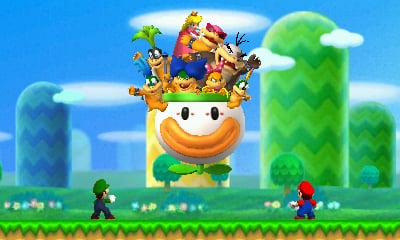
New Super Mario Bros. 2 came out on the 3DS in the summer of 2012, and its goal is coins: collecting a million of them became the central aim of the game. The Gold Flower turns blocks into coins and the Gold Ring turns enemies gold so they drop extra ones.
A Coin Rush mode lets you play three random levels with one life and a time limit, and extra Coin Rush course packs were sold as downloadable content. It sold more than 13 million copies.
New Super Mario Bros. U
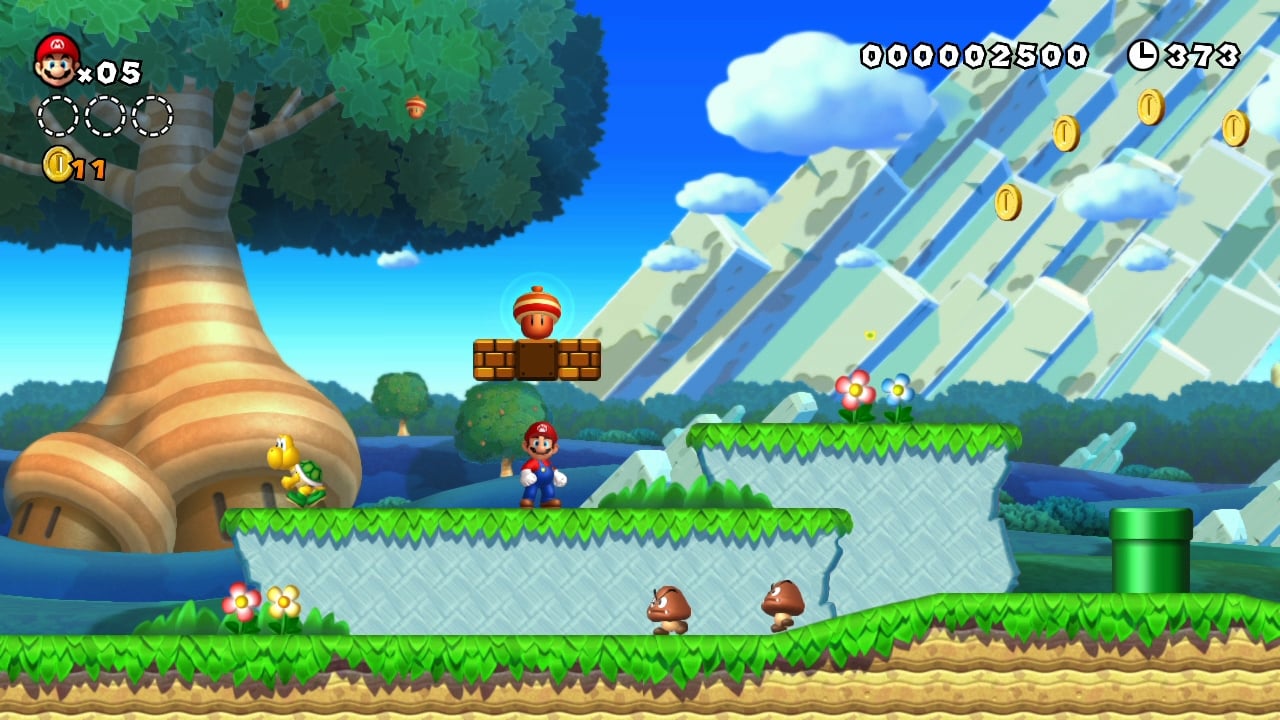
New Super Mario Bros. U was a launch game for the Wii U in November 2012 and the first Super Mario game in high definition. Bowser and the Koopalings take over Peach's castle and throw Mario and his friends across a new map.
Up to four players can play together, and a fifth uses the Wii U GamePad in Boost Mode to change the world. The Flying Squirrel Suit lets you glide and Baby Yoshis give special abilities. The New Super Luigi U expansion followed in 2013 and a Switch version, New Super Mario Bros. U Deluxe, in 2019.
Super Mario 3D World
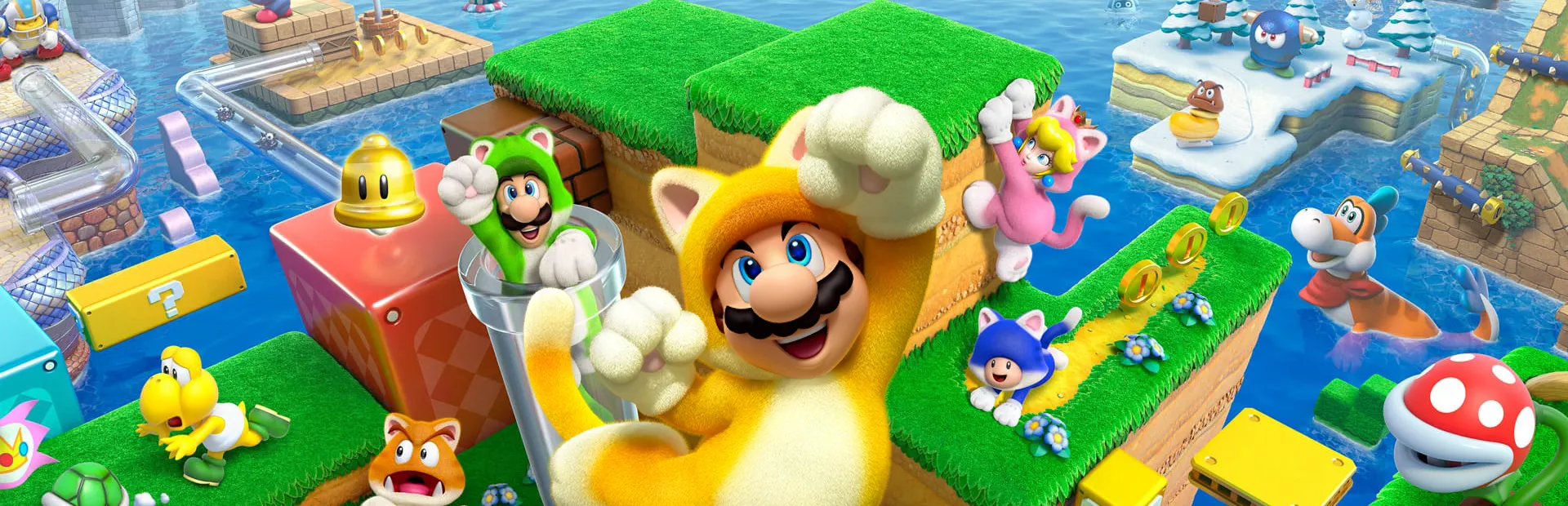
Super Mario 3D World was released on the Wii U in November 2013 as a sequel to 3D Land. Mario, Luigi, Peach and Toad are all playable, with Rosalina unlockable, and up to four can play at once. The Super Bell turns the heroes into cats that climb walls.
Bowser kidnaps the Sprixie princesses, and the heroes follow him into the Sprixie Kingdom, where he has become Meowser. In February 2021 it came to the Switch as Super Mario 3D World + Bowser's Fury. Bowser's Fury is a second campaign set on an open island: Mario teams up with Bowser Jr. to stop Fury Bowser, collects Cat Shines and uses the Giga Bell for the final fight, while a second player can control Bowser Jr.
Super Mario Odyssey
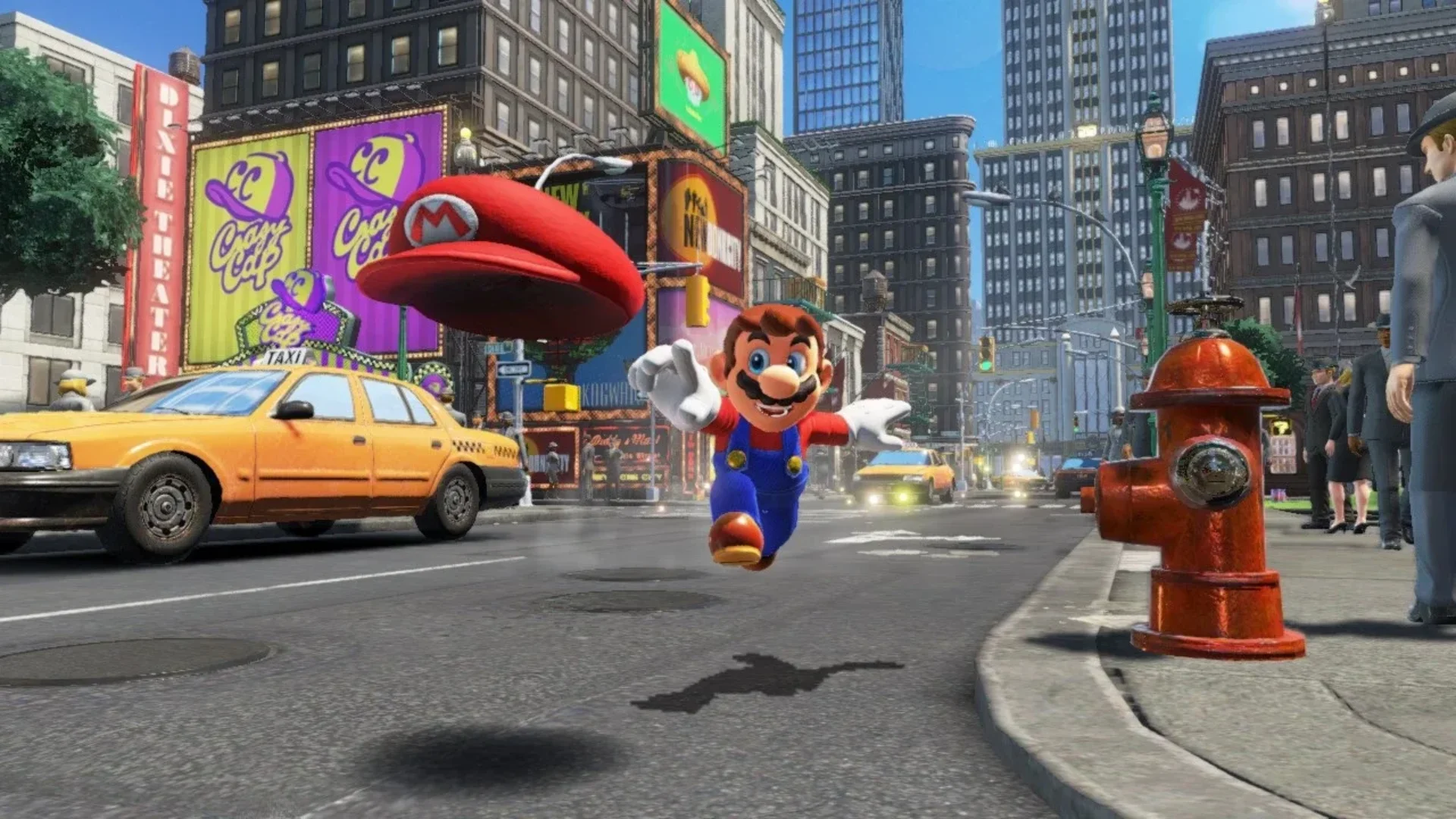
Super Mario Odyssey was released on the Nintendo Switch on 27 October 2017 and brought back the open exploration of Super Mario 64 and Super Mario Sunshine. Bowser takes Peach to force a marriage, and Mario follows in an airship, the Odyssey, that he fuels with Power Moons collected across many kingdoms.
His partner is Cappy, a living hat. Cappy's capture ability lets Mario take over enemies and objects, from a frog to a tank, and use their skills to solve puzzles. It sold more than 30 million copies and is one of the best-selling Switch games.
Super Mario Bros. Wonder
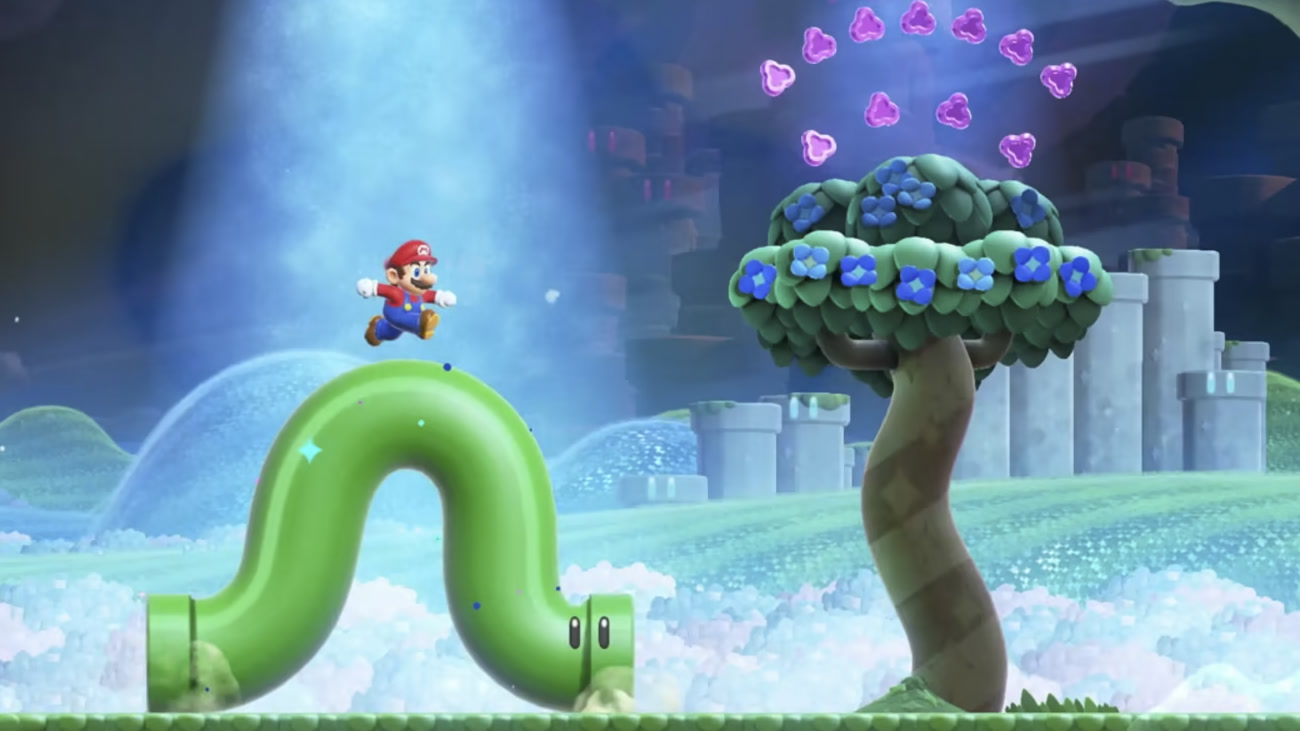
Super Mario Bros. Wonder is the newest main game. Nintendo EPD released it on the Switch on 20 October 2023, and it was the first new 2D Mario since New Super Mario Bros. U in 2012. Bowser uses a Wonder Flower to fuse with the castle of Prince Florian in the Flower Kingdom, and Mario and his friends collect Royal Seeds to stop him.
Wonder Flowers change a level in surprising ways, and new power-ups include the Elephant Fruit, a bubble-shooting flower and the Drill Mushroom. You pick from twelve characters, and badges give optional abilities. It won Best Family Game at The Game Awards 2023 and became the fastest-selling Super Mario game. An expanded Switch 2 Edition with a Meetup in Bellabel Park mode came out in March 2026.
Spin-Offs
Mario has a second career outside the platformers. The best known are the Mario Kart games, which began in 1992 and have their own page here, the latest being Mario Kart World on Switch 2 in June 2025. Mario Party, which started on the Nintendo 64 in 1998, collects board game rounds and minigames, and Super Mario Party Jamboree followed in October 2024 with 22 characters.
Sport has its own line in Mario Golf and Mario Tennis, and Mario Tennis Fever arrived on Switch 2 in February 2026. The role-playing games are Paper Mario, from 2000, and Mario & Luigi, from 2003, and Luigi's Mansion 3 from Next Level Games, released in October 2019, is a ghost-hunting game that stars Luigi. Super Mario Maker lets you build your own 2D levels, and Super Mario Run took the platformer to phones in 2016. None of these are on the release list below, which follows the platformers.
What Makes a Mario Game
A Mario platformer is built on a few constants. The hero is Mario, usually with Luigi beside him, and the villain is almost always Bowser. The goal is a place at the end of each level and a princess at the end of the game, and the Mushroom Kingdom, with its pipes, bricks, coins and Goombas, is the setting even when the game moves to space or a city.
The other constant is movement. Jumping is the centre of every game, and each one adds a new idea to it, whether a suit, a partner, a gravity trick or a flower that rewrites the level.
Mario Developers
The Nintendo teams that have built the series.
Nintendo R&D4
The team of Miyamoto and Tezuka that made Super Mario Bros., The Lost Levels, Super Mario Bros. 2 and Super Mario Bros. 3 on the NES.
Nintendo EAD
The Kyoto studio behind Super Mario World, Super Mario 64 and Super Mario Sunshine and the New Super Mario Bros. games from the DS to the Wii U.
Nintendo EAD Tokyo
The Tokyo team that made the Galaxy games and the 3D games on handheld and Wii U, Super Mario 3D Land and Super Mario 3D World.
Nintendo EPD
The studio that has led the series since the Switch and made Super Mario Odyssey and Super Mario Bros. Wonder.
Mario Platforms
Where the games have been released, and how many of them each platform family runs.
17Games by platform
- Nintendo
- 17 of 17 gamesWii U • Wii • Nintendo 3DS • Nintendo Entertainment System • Nintendo Switch • Nintendo 64 • Nintendo DS • Nintendo GameCube • Nintendo Switch 2
The platformers have appeared on almost every Nintendo system. The first games ran on the NES, with Super Mario World on the Super Nintendo, Super Mario 64 on the Nintendo 64 and Super Mario Sunshine on the GameCube. Super Mario Land and Super Mario Land 2 were Game Boy games.
The Wii brought Galaxy and New Super Mario Bros. Wii, the Nintendo DS and 3DS the New Super Mario Bros. games and 3D Land, and the Wii U 3D World and New Super Mario Bros. U. Odyssey and Wonder are on the Switch, and Wonder has a Switch 2 Edition from 2026.
Mario Reviews
 Super Mario Odyssey
 Reminds Us Why It's So Much Fun to Be Mario
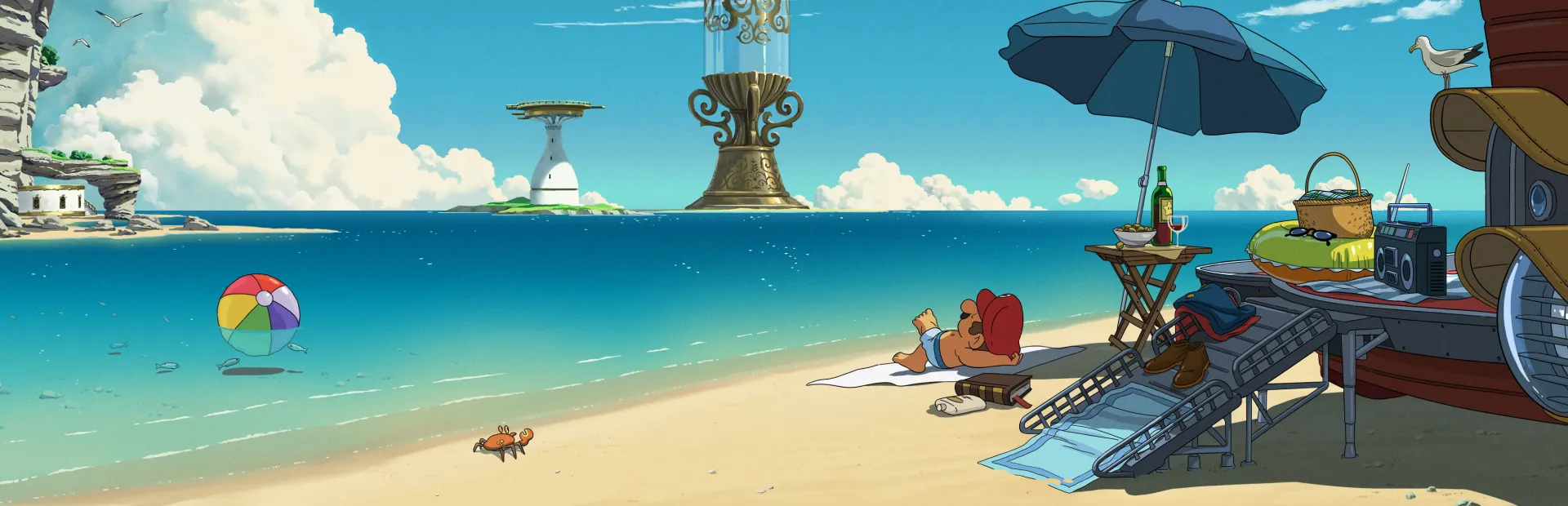
From bouncing across rooftops to taking control of a dinosaur, Super Mario Odyssey brings back the magic of classic 3D Mario adventures with a few wonderfully strange ideas of its own.
 Super Mario Galaxy 2
 Keeps Finding New Ways to Turn Mario's World Upside Down
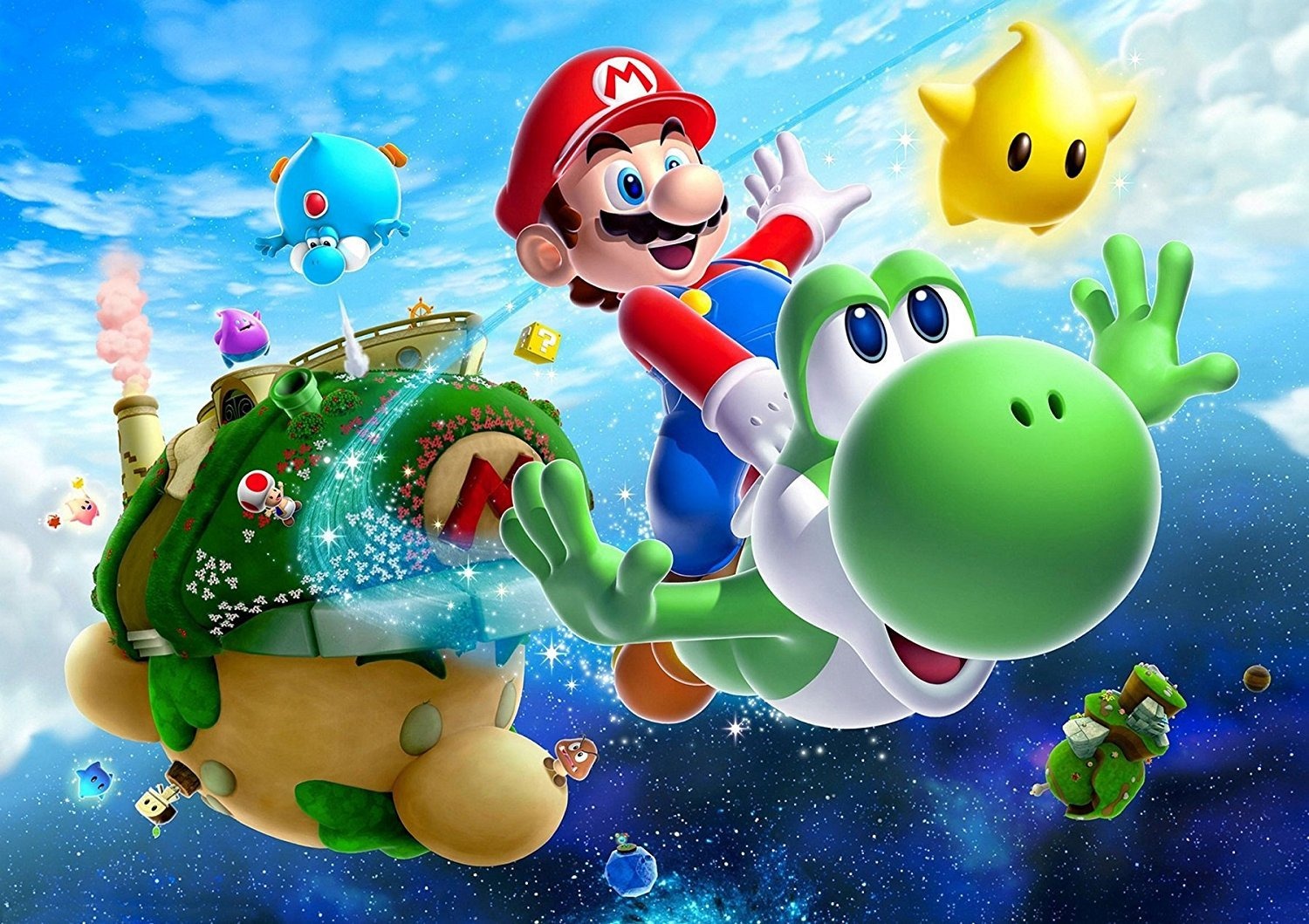
Sixteen years after its Wii debut, Super Mario Galaxy 2 remains a wonderful collection of platforming ideas, where gravity is optional and every new planet has another surprise waiting.
Mario News
Search all mario stories

All Mario Games
Super Mario Bros.
A side scrolling 2D platformer and first entry in the Super Mario franchise, Super Mario Bros. follows Italian plumber Mario as he treks across many levels of platforming challenges featuring hostile enemies to rescue Princess Peach from the evil king Bowser.PlatformAdventure
Super Mario Bros.: The Lost Levels
Released 1986
Super Mario Bros. 2
Super Mario Bros. 2, 2D platformer and sequel to Super Mario Bros. (1985), features 4 selectable characters (Mario, Luigi, Princess Peach, Toad) as they navigate the dream world of Subcon to defeat the evil toad king Wart. Super Mario Bros.PlatformAdventure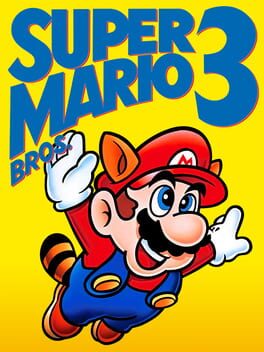
Super Mario Bros. 3
Super Mario Bros. 3, the third entry in the Super Mario Bros. series and Super Mario franchise, sees Mario or Luigi navigate a nonlinear world map containing platforming levels and optional minigames and challenges.PlatformAdventure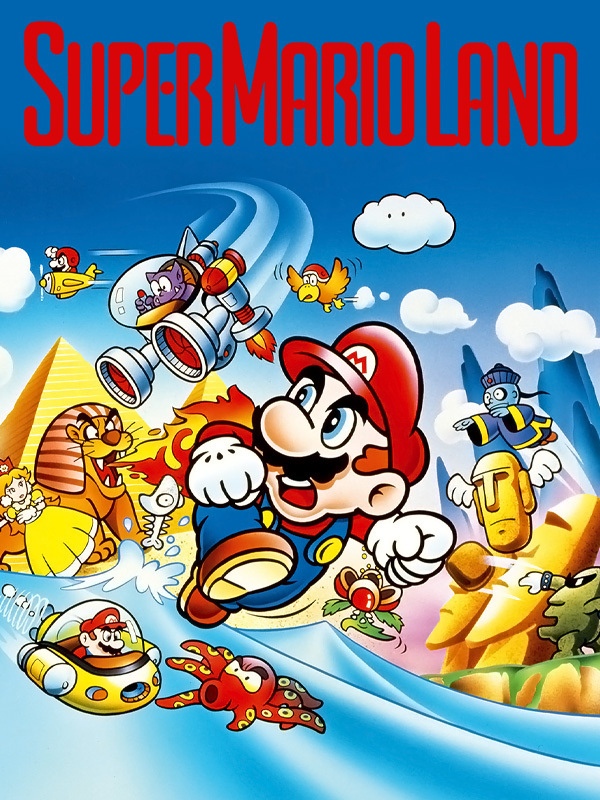
Super Mario Land
Released 1989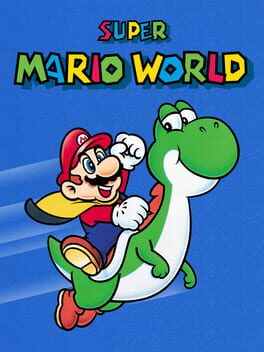
Super Mario World
A 2D platformer and first entry on the SNES in the Super Mario franchise, Super Mario World follows Mario as he attempts to defeat Bowser's underlings and rescue Princess Peach from his clutches.PlatformAdventure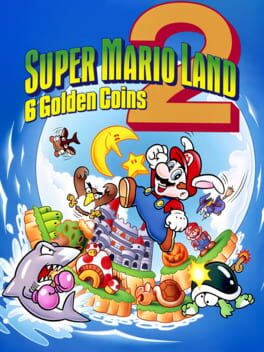
Super Mario Land 2: 6 Golden Coins
Super Mario Land 2: 6 Golden Coins is a platforming game for the Game Boy and the sequel to Super Mario Land.Platform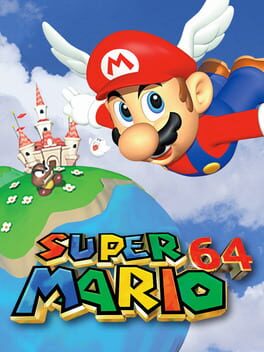
Super Mario 64
Mario is super in a whole new way! Combining the finest 3-D graphics ever developed for a video game and an explosive soundtrack, Super Mario 64 becomes a new standard for video games. It's packed with bruising battles, daunting obstacle courses, and underwater adventures.PlatformAdventure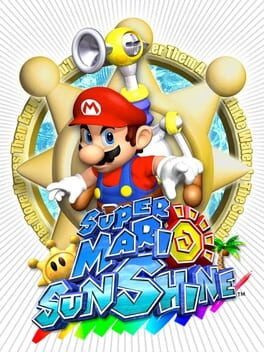
Super Mario Sunshine
Super Mario Sunshine is a Mario action-adventure 3D platformer. It follows Super Mario 64, and is the second 3D Mario platformer.PlatformAdventure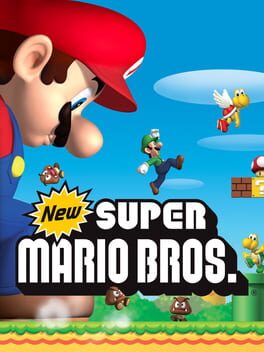
New Super Mario Bros.
New Super Mario Bros. is a side-scrolling 2.5D action-adventure platformer game for the Nintendo DS, starring Mario and Luigi. The game features a solo story mode with Mario or Luigi, a two-player wireless game Mario Vs. Luigi, as well as a minigame mode for up to four players.PlatformAdventure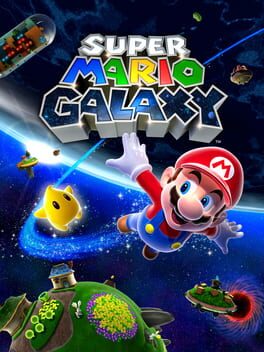
Super Mario Galaxy
A 3D platformer and first Wii entry in the Super Mario franchise, Super Mario Galaxy sees Mario jump across planets and galaxies with varying items, enemies, geographies and gravity mechanics in order to reach his enemy Bowser, who has attacked the Mushroom Kingdom and…PlatformAdventure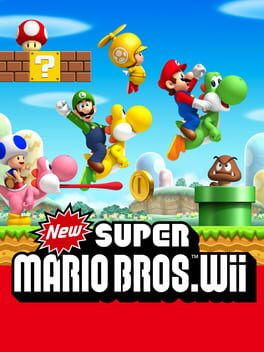
New Super Mario Bros. Wii
New Super Mario Bros. Wii is a side-scrolling 2.5D Mario platformer for the Wii and the tenth game in the Super Mario series. In addition to the single-player experience, New Super Mario Bros. Wii also features a multiplayer mode for up to four players.PlatformAdventure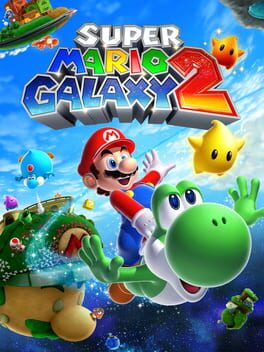
Super Mario Galaxy 2
Super Mario Galaxy 2 is the sequel to Super Mario Galaxy and the fourth 3D platformer entry in the Mario franchise. The sequel retains many elements from its predecessor, such as the adventure being in outer space, the element of gravity, and recurring objects such as Launch…PlatformAdventure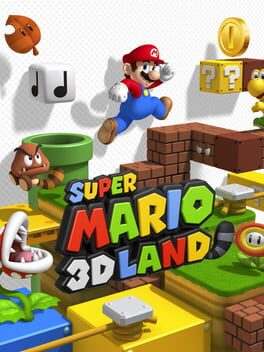
Super Mario 3D Land
Super Mario 3D Land is the second 3D Super Mario platformer for a handheld device, and the successor to Super Mario Galaxy 2.PlatformAdventure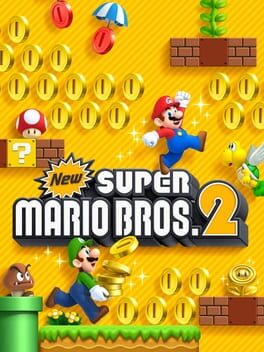
New Super Mario Bros. 2
New Super Mario Bros. 2 is a side-scrolling 2.5D action-adventure platform game for the Nintendo 3DS. As the direct sequel to New Super Mario Bros., it is an indirect follow-up to New Super Mario Bros. Wii.PlatformAdventure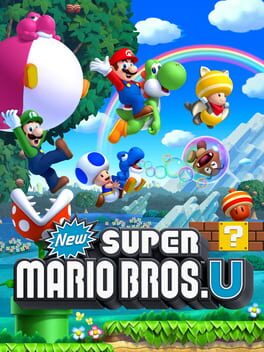
New Super Mario Bros. U
New Super Mario Bros. U is a side-scrolling 2.5D platform game, and the fourth and latest installment in the New Super Mario Bros. series. As the sequel to New Super Mario Bros. Wii, the game is a follow-up game of New Super Mario Bros. 2.PlatformAdventure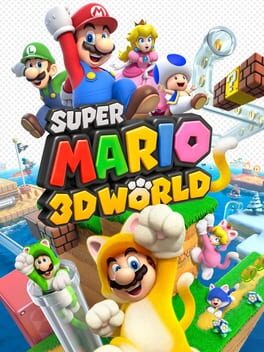
Super Mario 3D World
Super Mario 3D World is a 3D platformer action game for the Wii U, and a follow-up of the Nintendo 3DS installment Super Mario 3D Land.Platform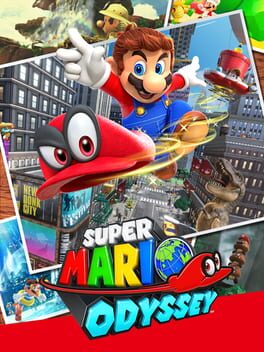
Super Mario Odyssey
Explore incredible places far from the Mushroom Kingdom as you join Mario and his new ally Cappy on a massive, globe-trotting 3D adventure. Use amazing new abilities, like the power to capture and control objects, animals, and enemies to collect Power Moons so you can power up…PlatformAdventure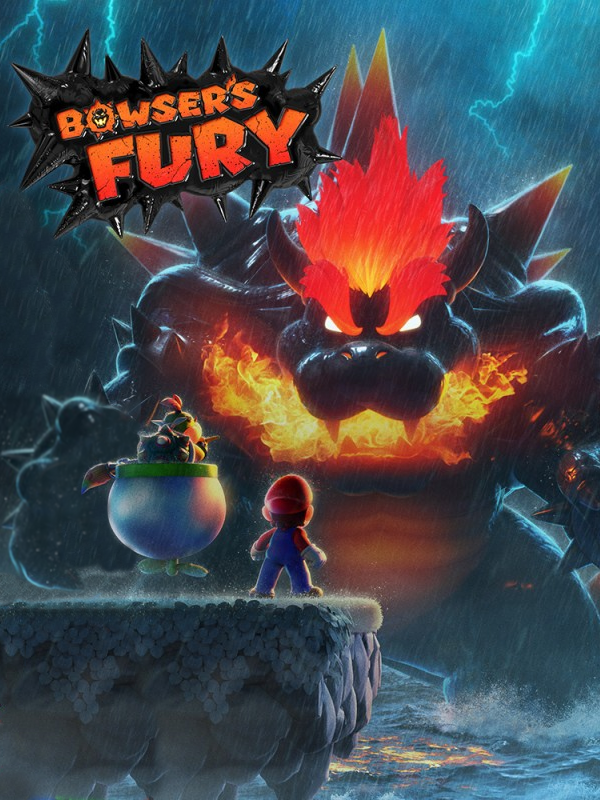
Bowser's Fury
Released 2021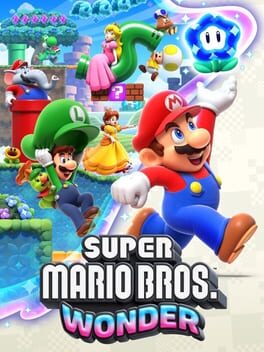
Super Mario Bros. Wonder
Super Mario Bros. Wonder is a side-scrolling platform game and the first 2D Super Mario entry since New Super Mario Bros. U (2012). Players choose from twelve characters and traverse levels across the Flower Kingdom, a new setting for the series.PlatformNo games match your criteria
Can't find your game?
Help us grow the Zero1 Gaming library: request a title by contacting our support team.
Request a game →