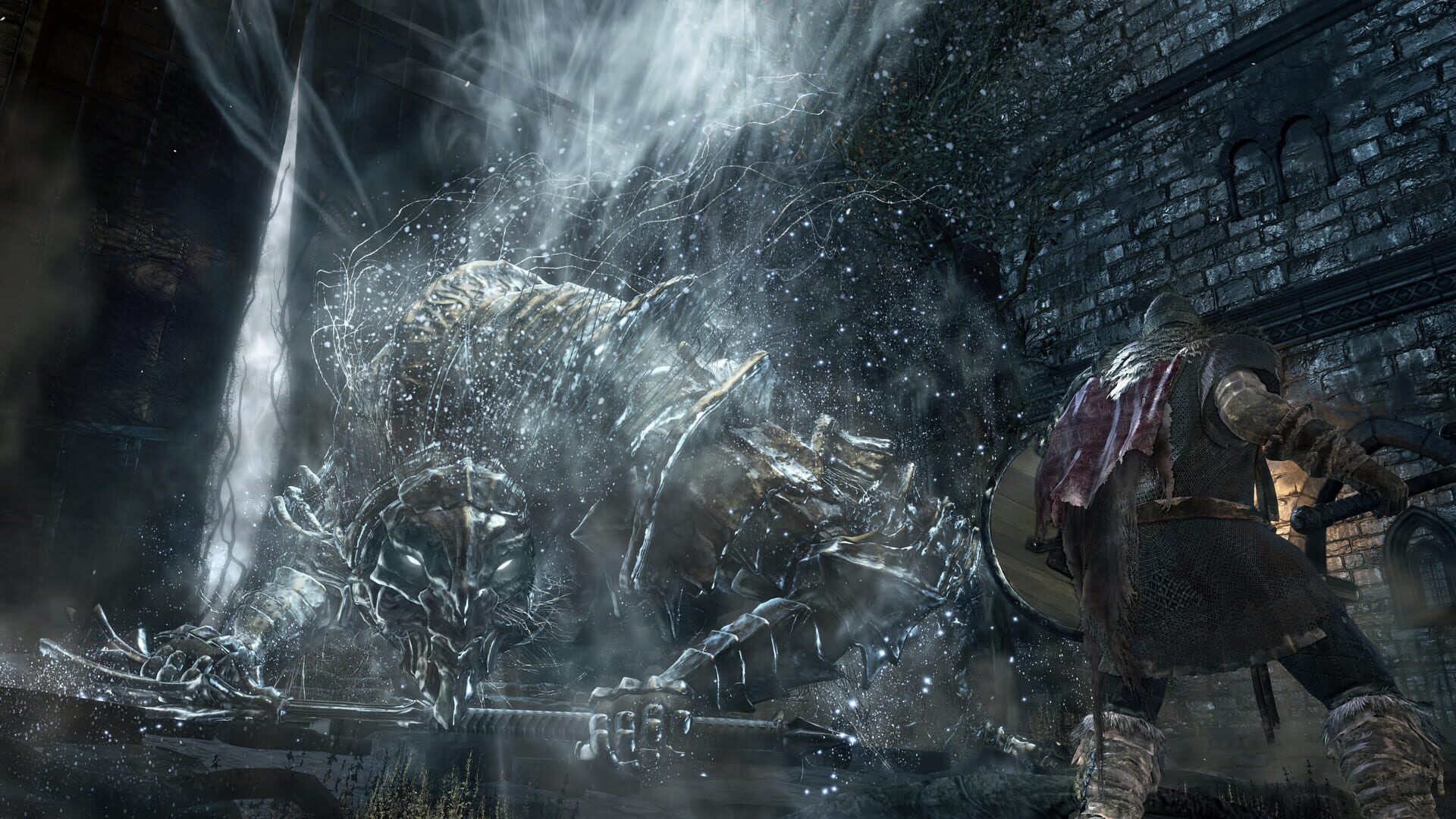
Dark Souls Games
Every Dark Souls game in release order, from Demon's Souls to Dark Souls III, the studios behind them and where to start.
- First Release
- 5 February 2009
- Latest Release
- 12 November 2020
- Publisher
- Bandai Namco Entertainment
- Studios
- FromSoftware (the 2020 Demon's Souls remake by Bluepoint Games)
- Genre
- Action role-playing game
- Games
- 5
- Platforms
- PC • PlayStation • Xbox • Nintendo
Image: FromSoftware and Bandai Namco Entertainment
Top Dark Souls Games
The two Dark Souls series games with a page here, one from each end of the series. Both were chosen for their gameplay and their influence on the series.
Dark Souls2011
The game that gave the series its name, with a connected world, bonfires and bosses that fans still talk about.
Demon's Souls2020
The root of the series, remade for PlayStation 5, with five separate worlds and the first soul-based difficulty.
Dark Souls is a series of action role-playing games about dying, learning and trying again. You play a lone, nameless hero in a ruined fantasy world, where enemies hit hard, checkpoints are scarce and every boss is a test you are expected to fail a few times before you win.
It grew out of Demon's Souls, which FromSoftware released on PlayStation 3 in 2009. Dark Souls followed in 2011 and gave the style its name, and two sequels completed the trilogy by 2016. Players call the whole family of games the Soulsborne style, and it has shaped a large part of the action role-playing genre since.
This page lists the games in release order, gives each one its own section, covers the related FromSoftware games and explains where to start. Every game with its own page here links to its release details, platforms and the latest news.
Dark Souls Games in Release Order
Explore every game in the series in release order, with each game's release year, studio and platforms.
012009
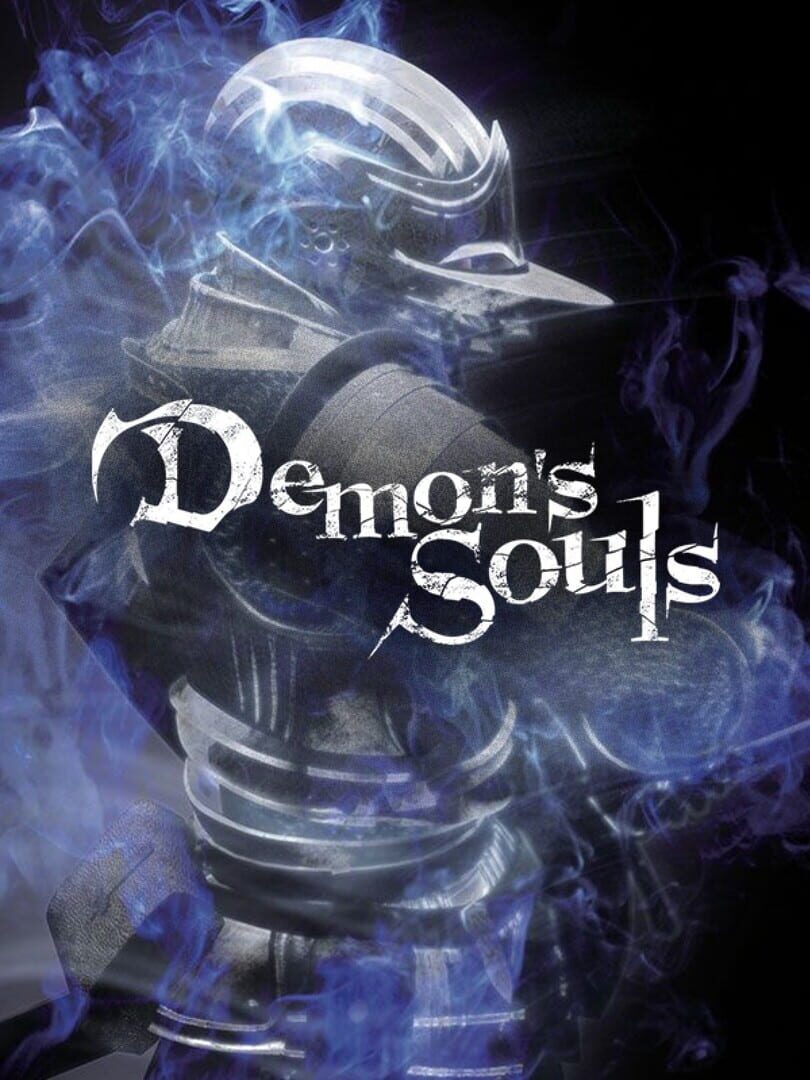
Demon's Souls (2009)
The original, on PlayStation 3. A hub called the Nexus leads to five worlds, and the kingdom of Boletaria is lost to a deadly fog.
022011
Dark Souls
An undead hero is chosen to ring two bells and rekindle the first flame, in one connected world with bonfires and tough bosses.
032014
Dark Souls II
A cursed hero reaches the kingdom of Drangleic. A wide world and deep builds make up for a health cost on each death, and the Scholar of the First Sin edition followed in 2015.
042016
Dark Souls III
The Ashen One returns the Lords of Cinder to their thrones in the ruined kingdom of Lothric. Faster combat and two expansions close the trilogy.
052020
Demon's Souls
Bluepoint Games rebuilds the first game for PlayStation 5, with the same layout and a new look, as a console launch title.
How to Play the Dark Souls Games
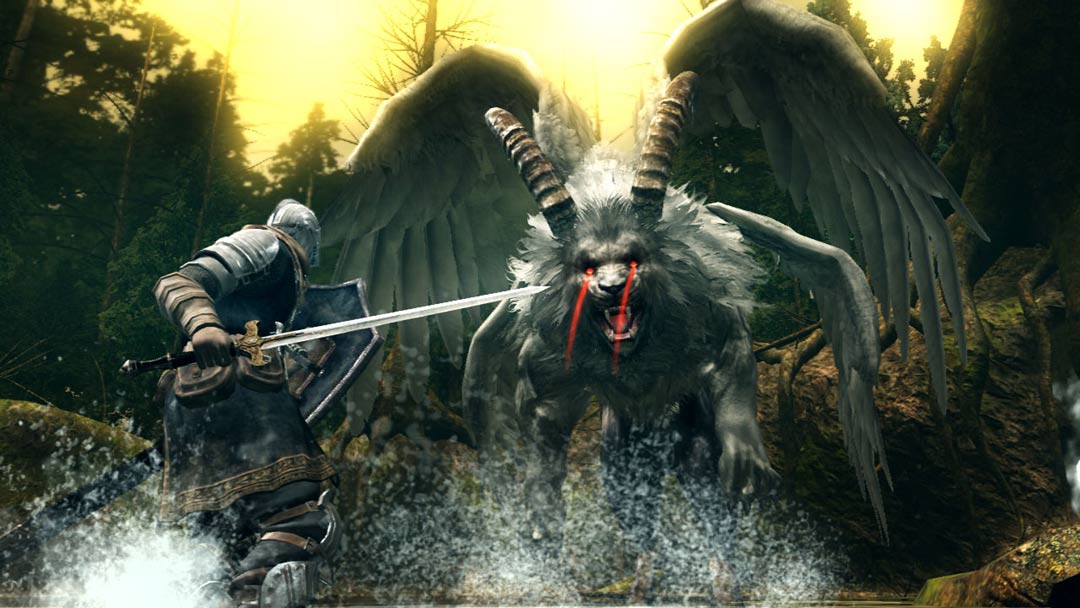
Release order is the simplest way and is the order of the Release Order list above. Demon's Souls is a separate world, and each Dark Souls game is set in its own kingdom, so you do not need the earlier ones to follow the story of a later one. The stories do connect in small ways: the first game and the third share a core idea, the First Flame and its fading, and the third is full of places and characters that remind you of the first. Playing in order makes those echoes work best, but nothing is locked.
Most players should start with Dark Souls. Its connected world and plain, well-paced design are the template for the series, and the Remastered edition is the way to play it today. If you want something newer and faster, Dark Souls III is the most modern of the three and works well as a first game. If you only own a PlayStation 5, Demon's Souls is the strongest entry point, as the remake shows the start of the series in modern graphics. Dark Souls II is best left for last, in its Scholar of the First Sin edition, once you know what the series expects of you.
Demon's Souls
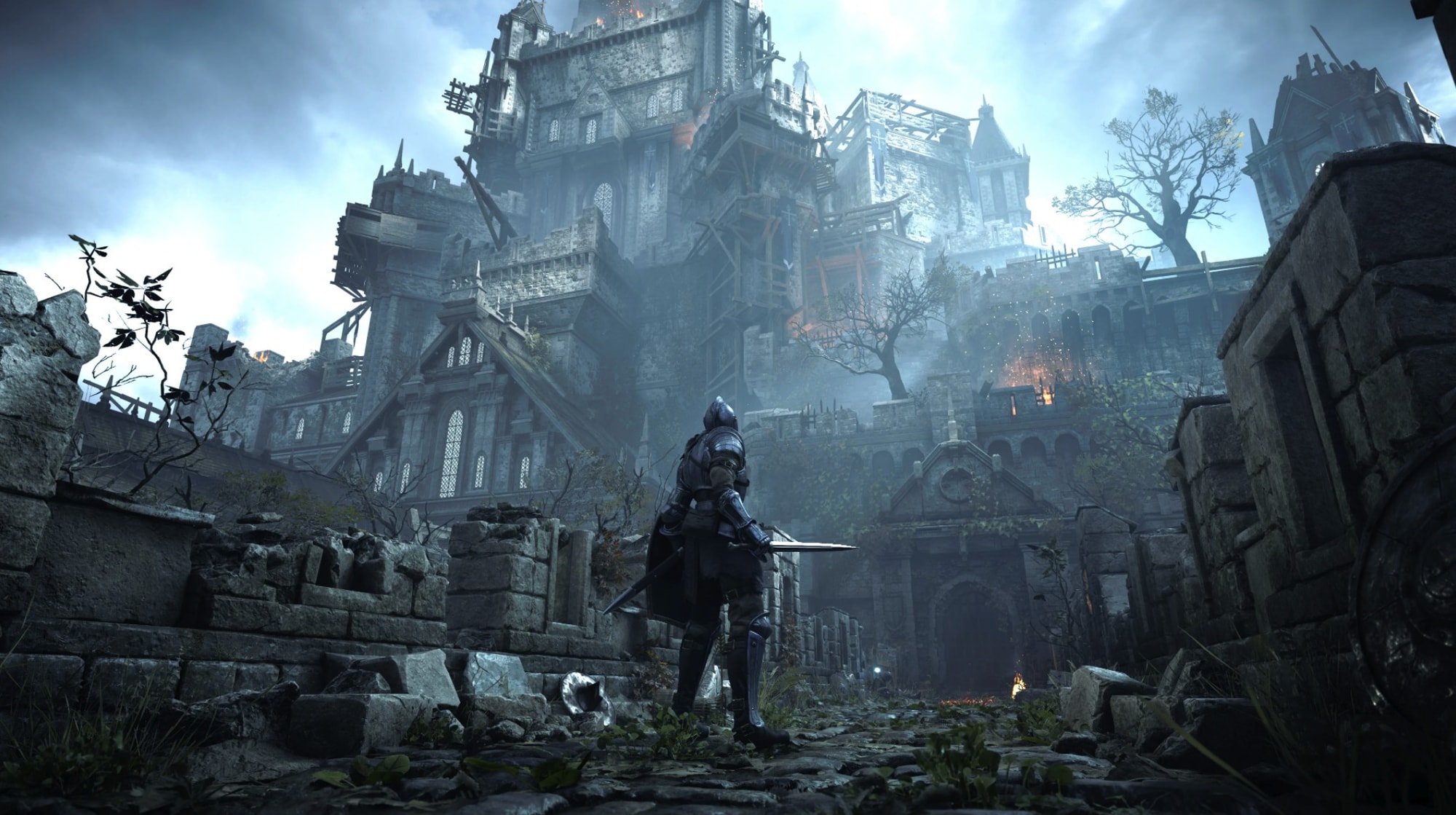
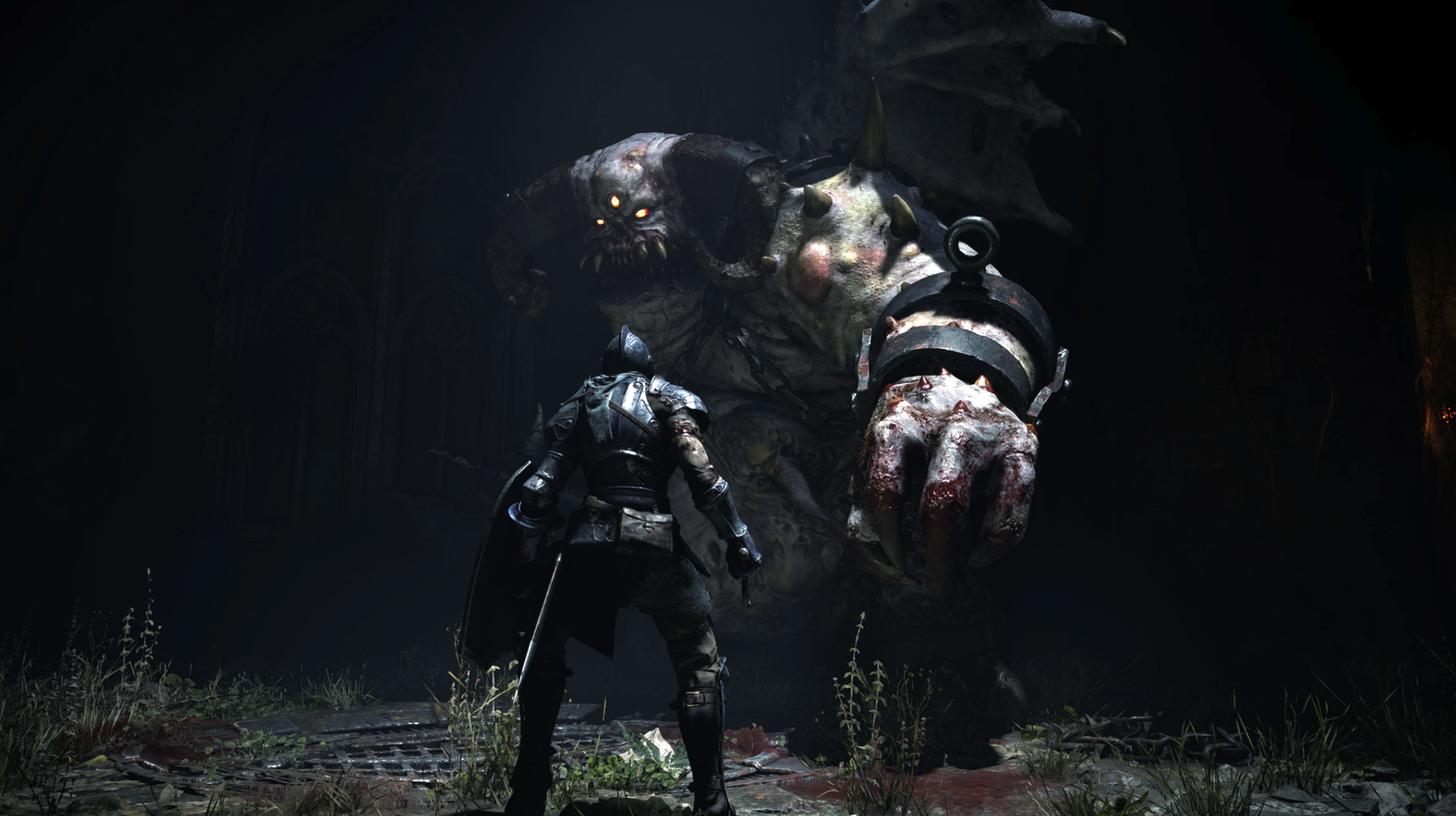
Demon's Souls came out on PlayStation 3 in 2009 from FromSoftware, and it is the root of the whole series. The kingdom of Boletaria is cut off by a deadly fog after its king wakes a sleeping ancient demon, and you enter as a hero sent to end the threat. A hub called the Nexus connects five separate worlds, and each one ends in a boss whose soul you take.
Many of the series' habits start here: souls that work as both experience and money and are lost when you die, a stiff challenge with a risk of losing everything, and online messages and ghostly hints from other players. The game also tracks a hidden world tendency, which shifts with whether you die or win as a living body and changes how the worlds treat you.
Demon's Souls was remade for PlayStation 5 by Bluepoint Games in November 2020, published by Sony Interactive Entertainment as a launch title. It keeps the layout and the story but rebuilds the look, so it is the easier version to find and play today.
Dark Souls
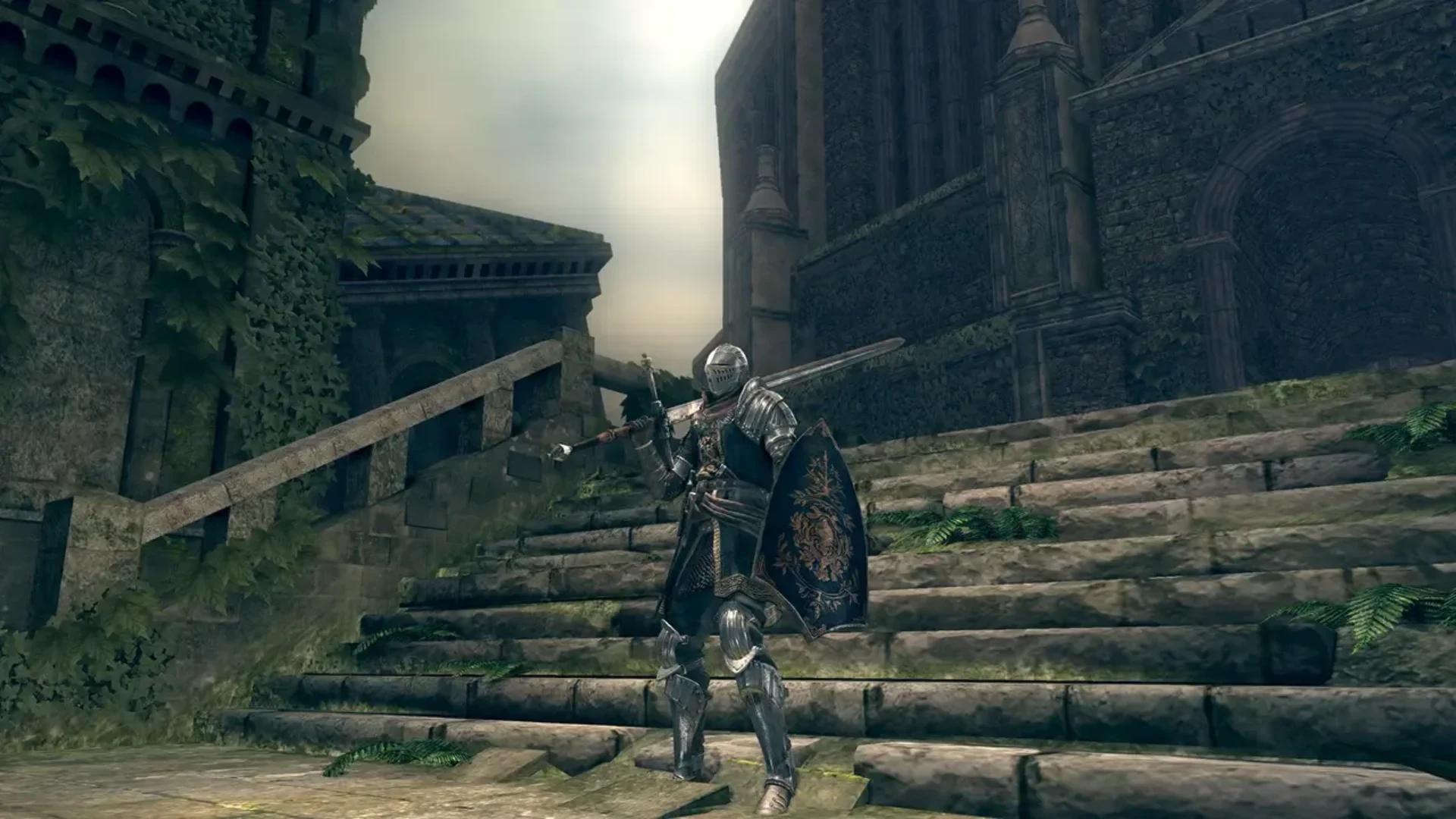
Dark Souls arrived in September 2011 on PlayStation 3 and Xbox 360, with a Windows version in August 2012. FromSoftware directed it again under Hidetaka Miyazaki, and Bandai Namco published it. You are an undead hero chosen to ring two bells and rekindle the first flame in the kingdom of Lordran, where the fire that holds the age together is fading.
The big step over Demon's Souls is the world. Lordran is one connected map, with shortcuts that loop back to the bonfires where you rest, refill your Estus Flask and bring enemies back. Story is told through items, short talks and what you find on the way, so it is optional to follow and rewarding if you do. The Artorias of the Abyss expansion arrived in October 2012.
A remaster, Dark Souls: Remastered, reached PlayStation 4, Xbox One and Windows in May 2018 and Nintendo Switch in October 2018. It is the same game with sharper graphics and steadier frame rates.
Dark Souls II
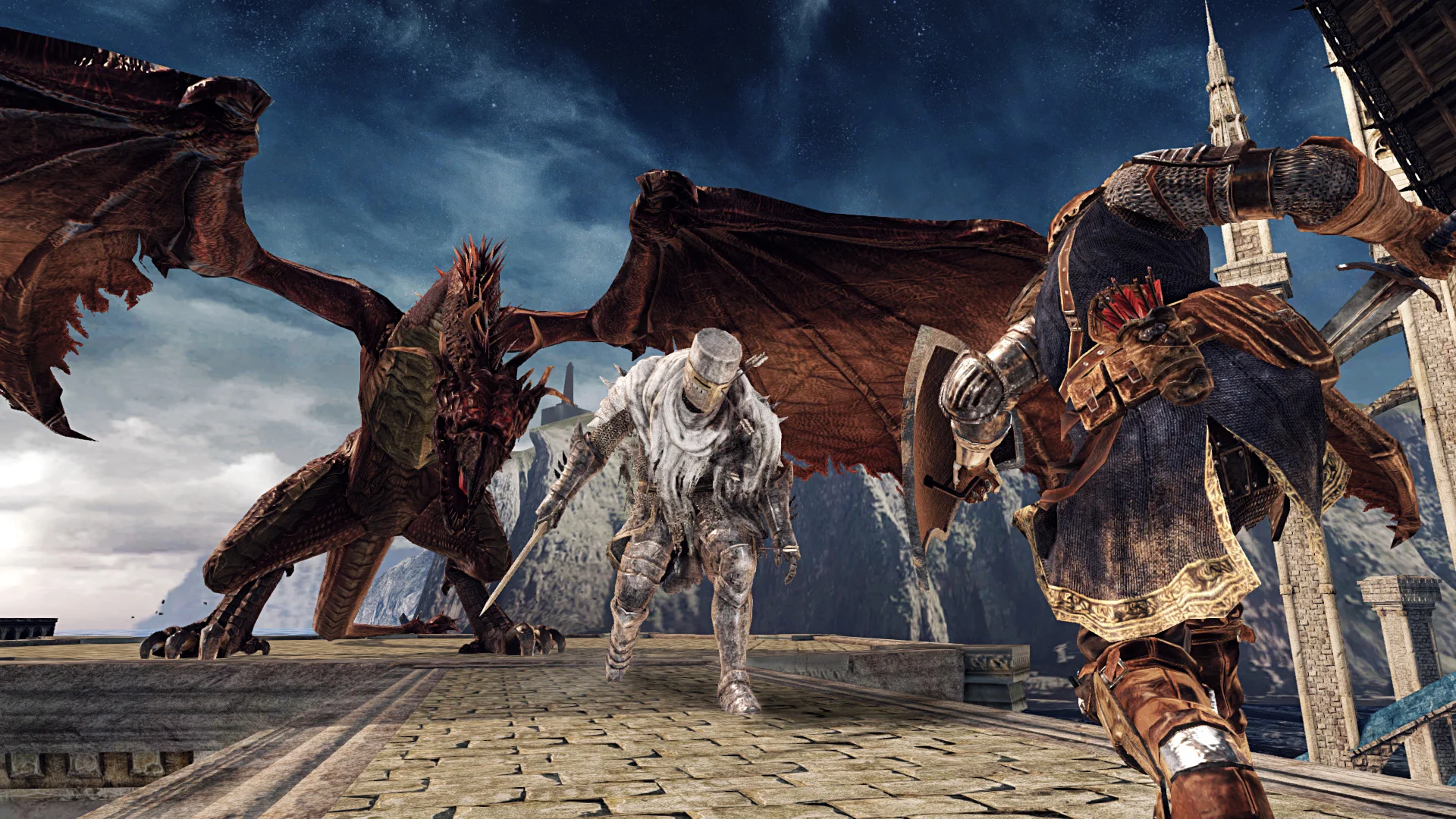
Dark Souls II came out in March 2014 on PlayStation 3 and Xbox 360, with a Windows version in April. Tomohiro Shibuya and Yui Tanimura directed it. It moves to the kingdom of Drangleic, where you are a cursed hero who comes to a hub village called Majula and looks for a way to break the curse.
It is the most divisive of the three. The world is wide and the build options are deep, and your maximum health drops each time you die until you use a consumable to restore it. Some players find that a hard rule and others a fair price for a bold design.
Dark Souls II: Scholar of the First Sin followed in April 2015 on PlayStation 4, Xbox One and Windows. It is the complete edition, with all the expansions, new enemy placement and a sharper picture, and it is the edition to play.
Dark Souls III
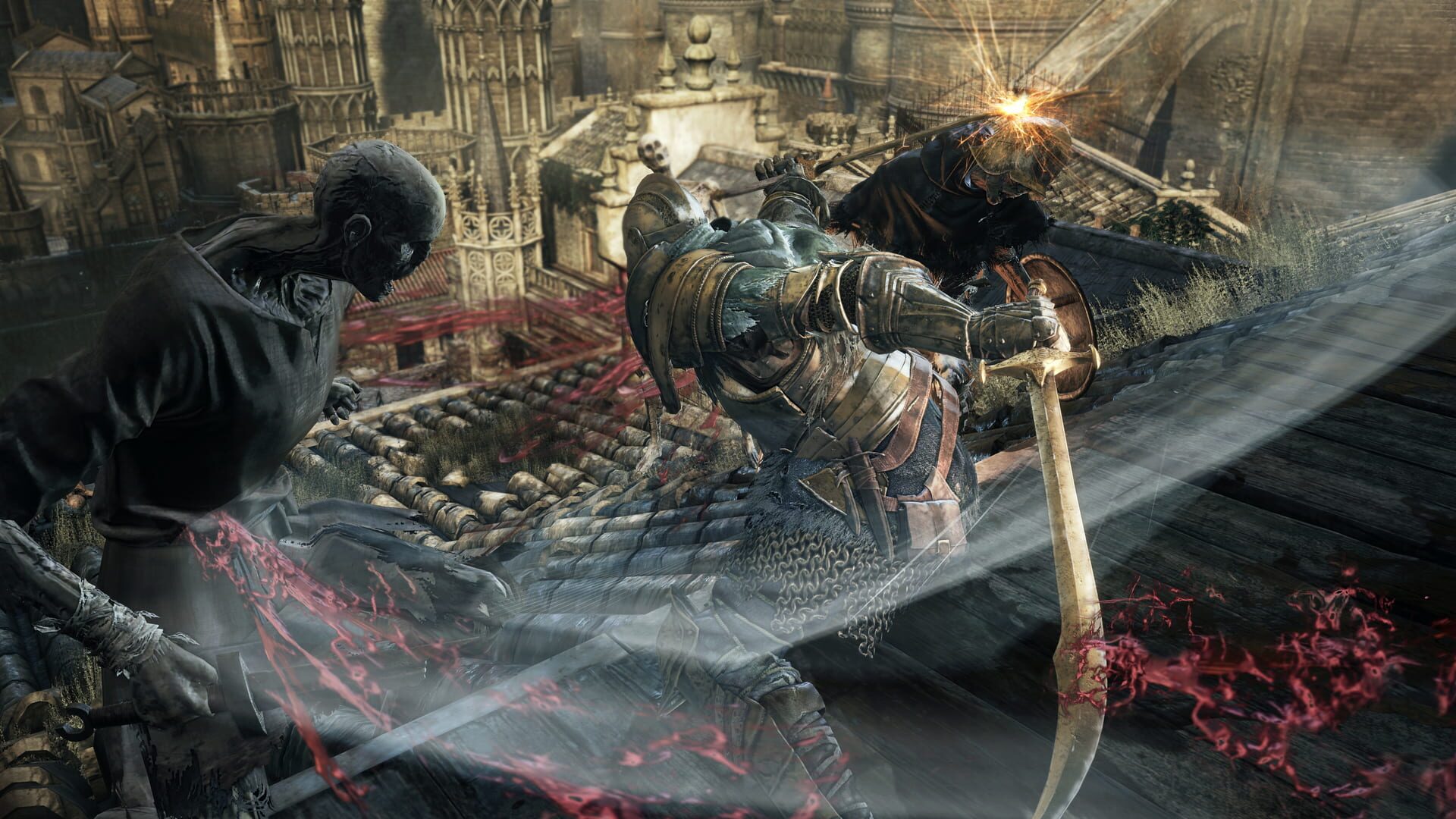
Dark Souls III launched in 2016 on PlayStation 4, Xbox One and Windows, with Hidetaka Miyazaki back as director. The Ashen One is called to the kingdom of Lothric to bring back the Lords of Cinder to their thrones and link the fire again, and the world is the series at its most ruined, full of places you may know from the earlier games.
Combat is faster than in the first two games, with weapon arts that use a focus bar and a rhythm closer to Bloodborne. It is the last game of the trilogy and brings the story of the fading fire to a close. Two expansions, Ashes of Ariandel in October 2016 and The Ringed City in March 2017, add the last chapters, and a Fire Fades Edition bundles the game with both.
Other FromSoftware Games in the Same Style
Several other FromSoftware games are close relatives but are not Dark Souls entries. Bloodborne, from 2015, is a faster, gothic game for PlayStation 4. Sekiro: Shadows Die Twice, from 2019, is a ninja action game built around swordplay. Elden Ring, from 2022, takes the formula to a huge open world, and Elden Ring Nightreign followed in 2025 as a co-operative spin-off.
They share the difficulty, the sparse storytelling and the habit of making you learn, but none of them continues the Dark Souls story, so you can play them in any order.
What Makes a Dark Souls Game
Four things hold the games together. The first is the challenge: enemies punish careless play, and a death costs you the souls you carried until you reach the place where you fell. The second is the stamina bar, which makes every swing, roll and block a choice. The third is the world, which is dark, ruined and told through item descriptions and a few strange characters. The fourth is the shared feeling of the online features, from messages left on the floor to summoned helpers and invaders.
Bonfires act as save points, and resting at one brings the enemies back. The result is a series that is hard but built to be learned, where a boss that beats you ten times can fall on the eleventh.
Dark Souls Developers
The studios and publishers that have built the series.
FromSoftware
The Tokyo studio that made every game in the series, from Demon's Souls in 2009 to Dark Souls III in 2016, with Hidetaka Miyazaki directing the original Dark Souls and Dark Souls III.
Bluepoint Games
The studio that rebuilt Demon's Souls for PlayStation 5 in 2020, with a new look and the original game design intact.
Bandai Namco Entertainment
The publisher of the Dark Souls games, which took the series to PlayStation, Xbox and Windows and later to Nintendo Switch.
Dark Souls Platforms
Where the games have been released, and how many of them each platform family runs.
02Games by platform
- PC
- 1 of 2 gamesPC
- PlayStation
- 2 of 2 gamesPlayStation 3 • PS4 • PS5
- Xbox
- 1 of 2 gamesXbox 360 • Xbox One
- Nintendo
- 1 of 2 gamesNintendo Switch
Demon's Souls began on PlayStation 3 and its remake is on PlayStation 5. Dark Souls started on PlayStation 3 and Xbox 360, reached Windows in 2012 and came back as a remaster on PlayStation 4, Xbox One, Windows and Nintendo Switch.
Dark Souls II ran on PlayStation 3, Xbox 360 and Windows, and its Scholar of the First Sin edition on PlayStation 4 and Xbox One as well. Dark Souls III launched on PlayStation 4, Xbox One and Windows.
Dark Souls News
Search all dark souls stories

All Dark Souls Games
Demon's Souls (2009)
Released 2009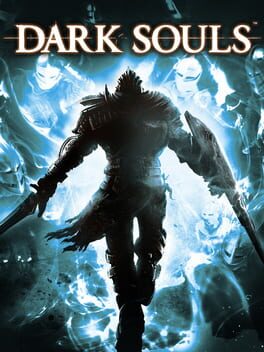 survival
Dark Souls
Dark Souls is an action role-playing game developed by FromSoftware and published by Bandai Namco Entertainment. Released in September 2011 as a spiritual sequel to Demon's Souls, it is set in a dark, medieval fantasy world.Role-playing (RPG)Adventure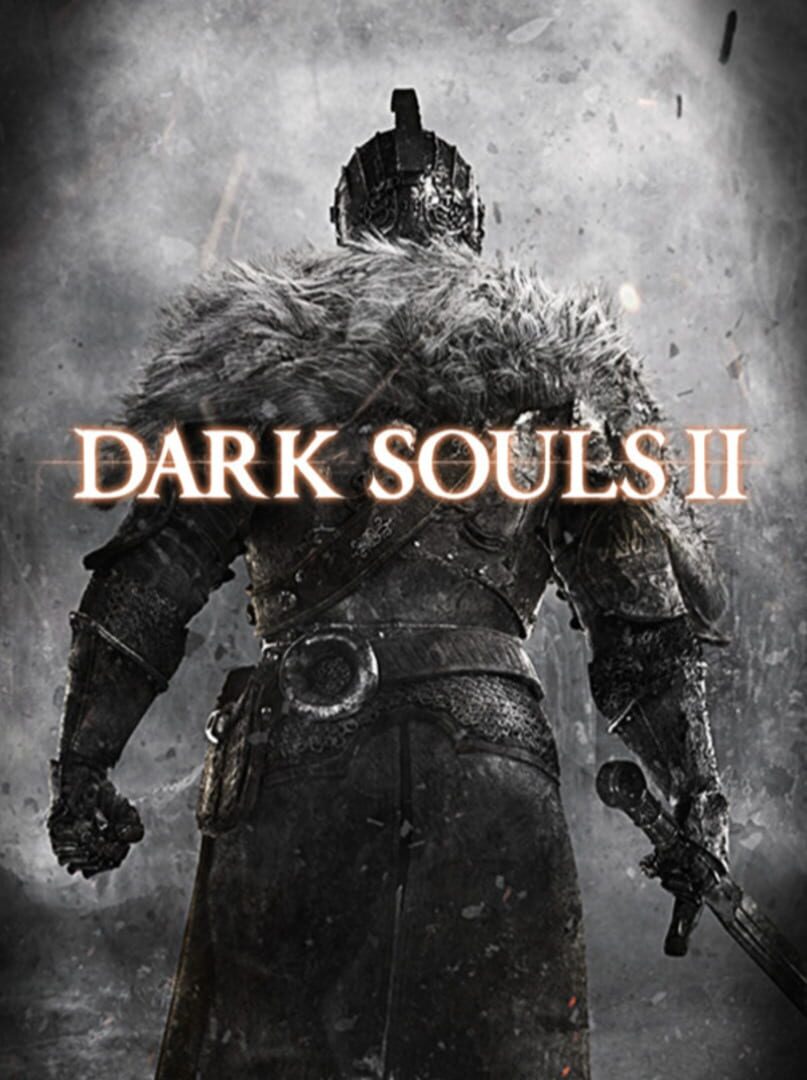
Dark Souls II
Released 2014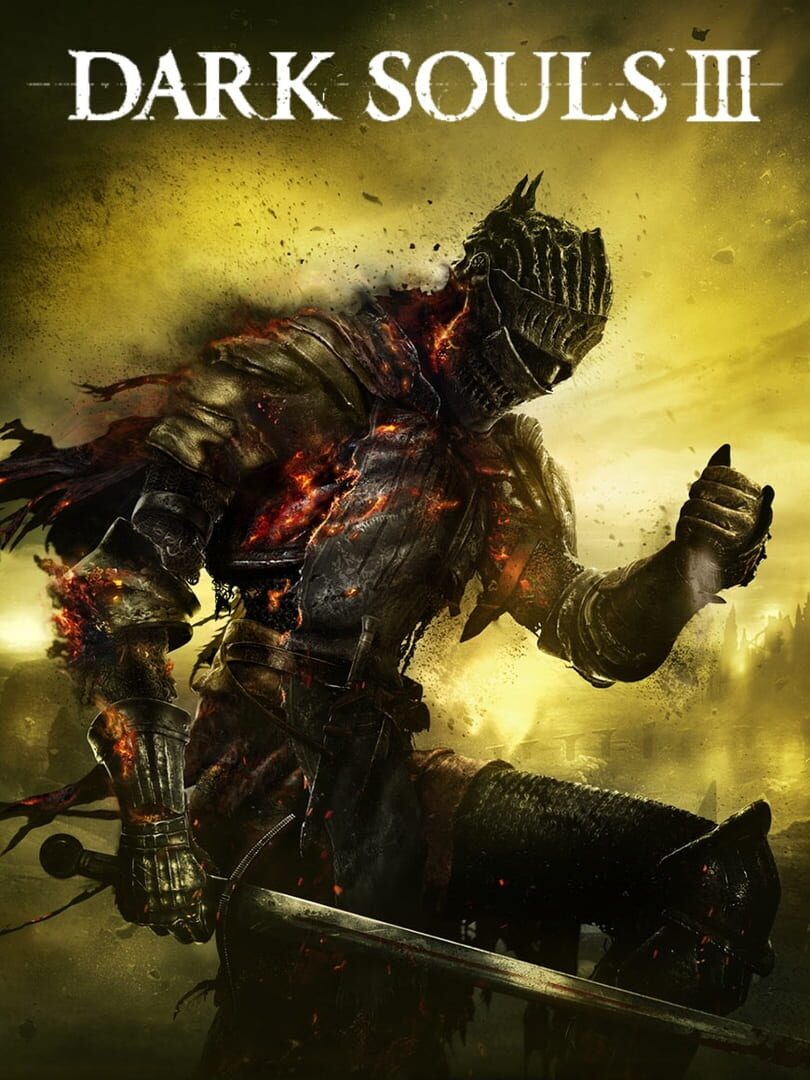
Dark Souls III
Released 2016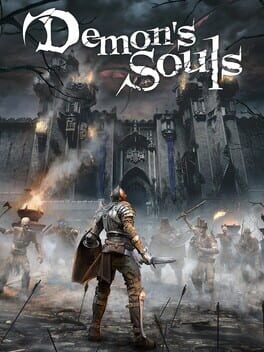 rpg
Demon's Souls
Entirely rebuilt from the ground up and masterfully enhanced, Demon's Souls is a remake of the 2009 release that introduces the horrors of a fog-laden, dark fantasy land to a whole new generation of gamers.Role-playing (RPG)Hack and slash/Beat 'em upNo games match your criteria
Can't find your game?
Help us grow the Zero1 Gaming library: request a title by contacting our support team.
Request a game →