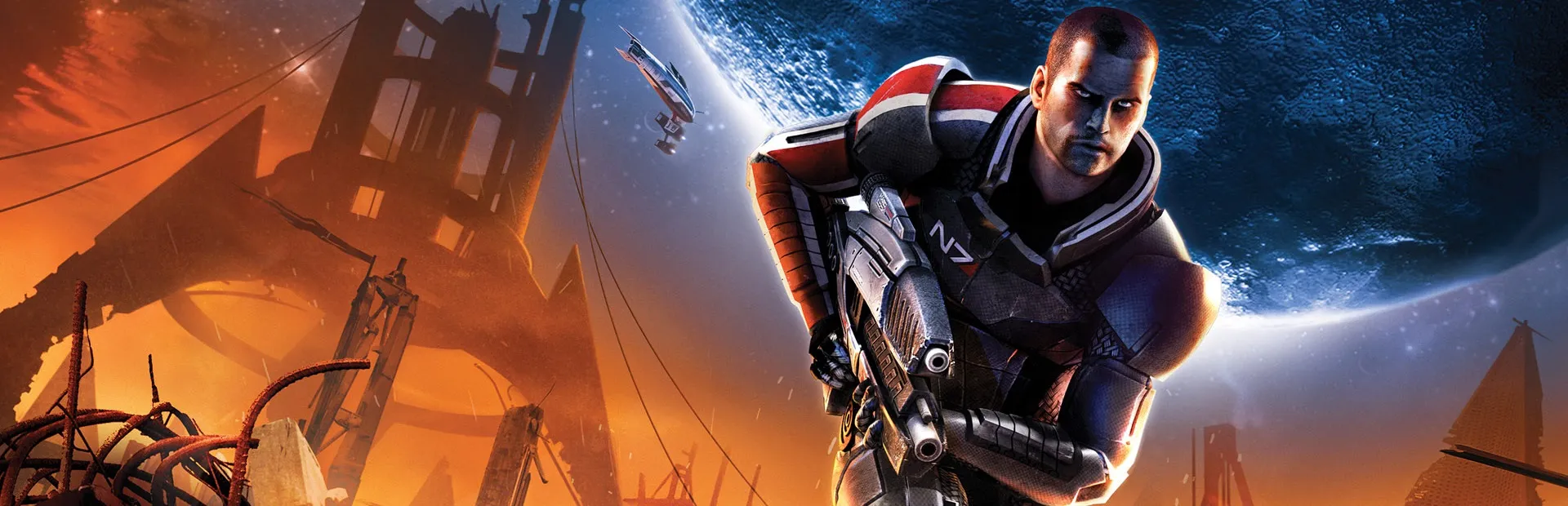
Mass Effect 2's Loyalty Missions Are Better Than Its Main Story
Mass Effect 2 still delivers some of BioWare's finest storytelling, with memorable companions and an unforgettable finale, despite dated combat and tedious planet scanning.
Mass Effect 2 builds its entire campaign around assembling a team for a mission that might kill everyone involved. Commander Shepard must recruit specialists from across the galaxy, earn their trust, and prepare the Normandy for an assault on the mysterious Collectors. The game's most interesting stories have little to do with the Collectors themselves. Tali's trial, Mordin's research into the genophage, and Garrus's pursuit of a former teammate are far more engaging than another firefight against alien abductors.
Released in January 2010, BioWare's sequel also makes substantial changes to the original Mass Effect. Combat is faster, missions are more focused, and the original's cumbersome inventory has been replaced with a simpler upgrade system. The result is a more accessible game, although the reduced RPG mechanics and linear combat areas occasionally make it feel closer to a conventional third-person shooter.
Tali and Mordin Have Some of Mass Effect 2's Best Loyalty Missions
Tali's loyalty mission takes Shepard to the Migrant Fleet, where she faces charges of treason. The investigation exposes political divisions among the quarians, particularly over their relationship with the geth. Shepard has several ways to clear Tali's name, but revealing the evidence against her father could destroy his reputation.
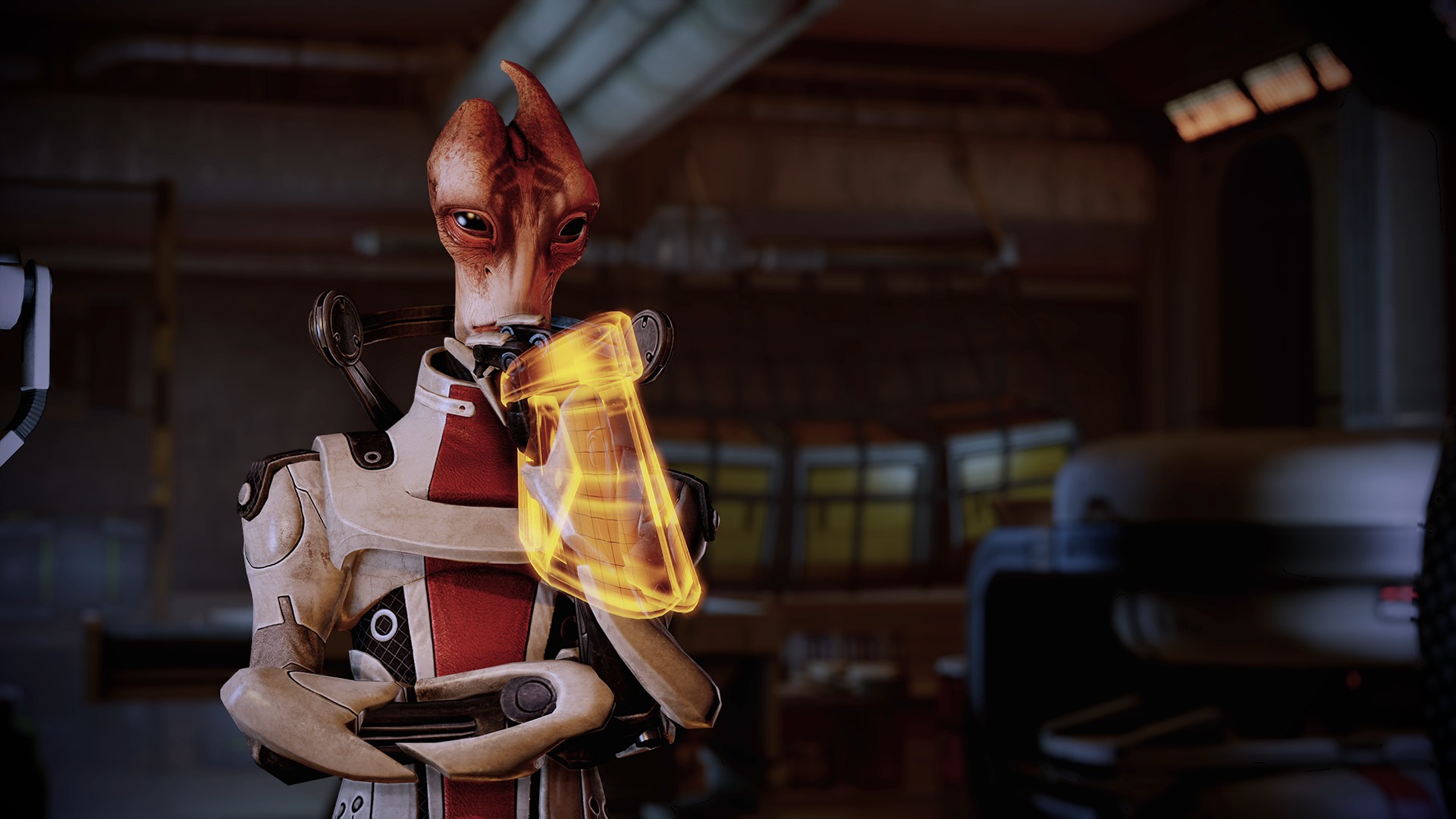
Mordin's mission on Tuchanka is equally interesting. The salarian scientist helped modify the genophage, a biological weapon that severely restricts krogan reproduction. Investigating his former student Maelon's research forces Mordin to confront the consequences of his work.
Both missions build on conflicts introduced in the first game, giving the disputes over the geth and the genophage greater personal stakes.
Garrus, Jack, and Miranda Make the Normandy Worth Exploring
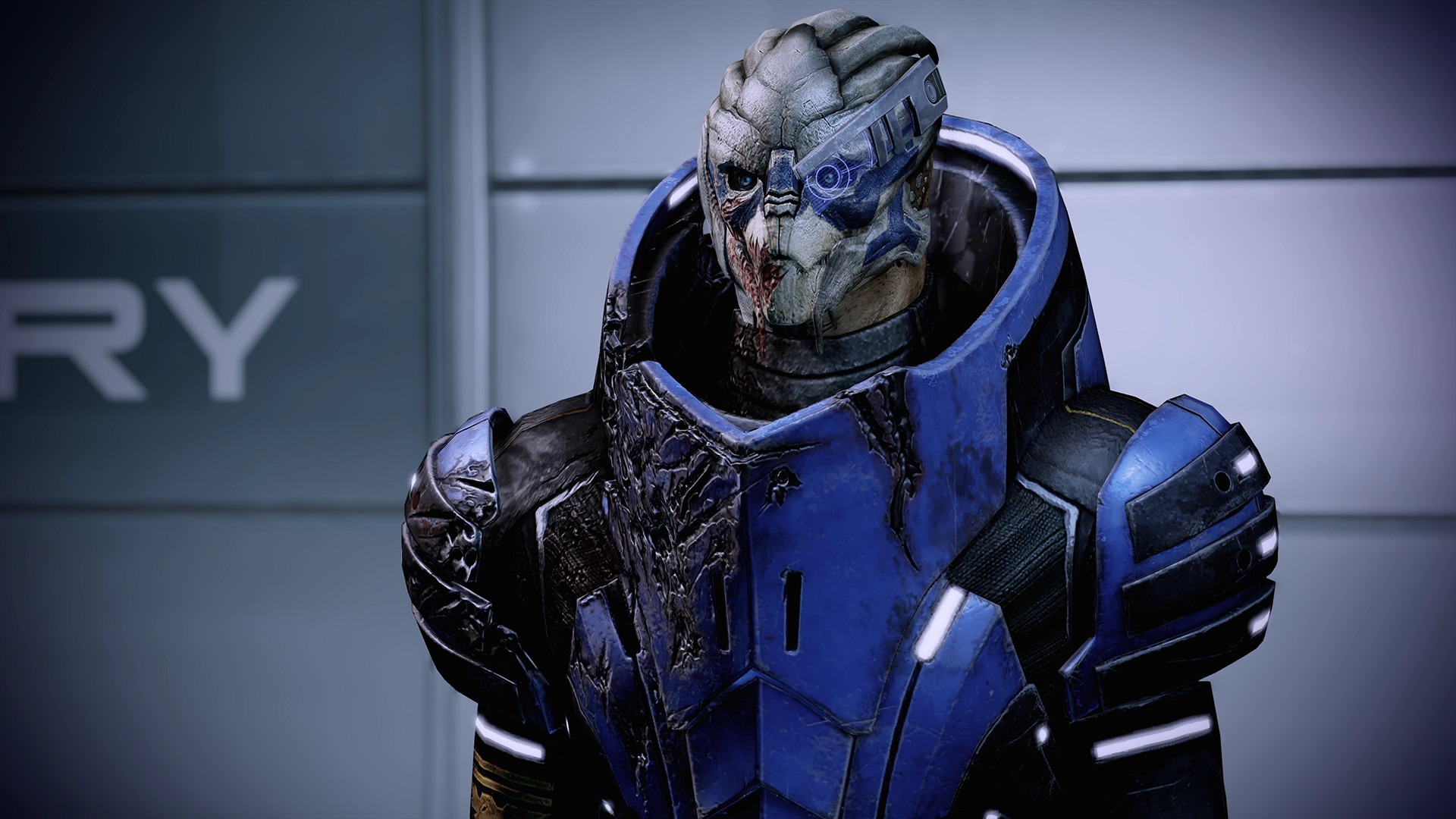
Garrus has become a vigilante operating on Omega, while Jack's violent behavior hides a history of abuse at a Cerberus research facility. Miranda remains fiercely loyal to Cerberus, despite having spent much of her life trying to escape her controlling father.
Their loyalty missions reveal more about their motivations. Garrus wants revenge against someone who betrayed his team, while Jack must revisit the facility where she was imprisoned and experimented on. Miranda's attempt to protect her sister exposes the controlling relationship she has with her father.
The conflicts continue aboard the Normandy. A confrontation between Jack and Miranda can cost Shepard either character's loyalty unless you have enough Paragon or Renegade reputation to settle the argument.
Not every crew member receives equally interesting material. Jacob's personal story is less compelling, and several companions eventually exhaust their available dialogue. Even after completing their loyalty missions, checking in with the crew remains one of the best reasons to return to the Normandy.
The Collector Story Is Too Thin to Carry the Campaign
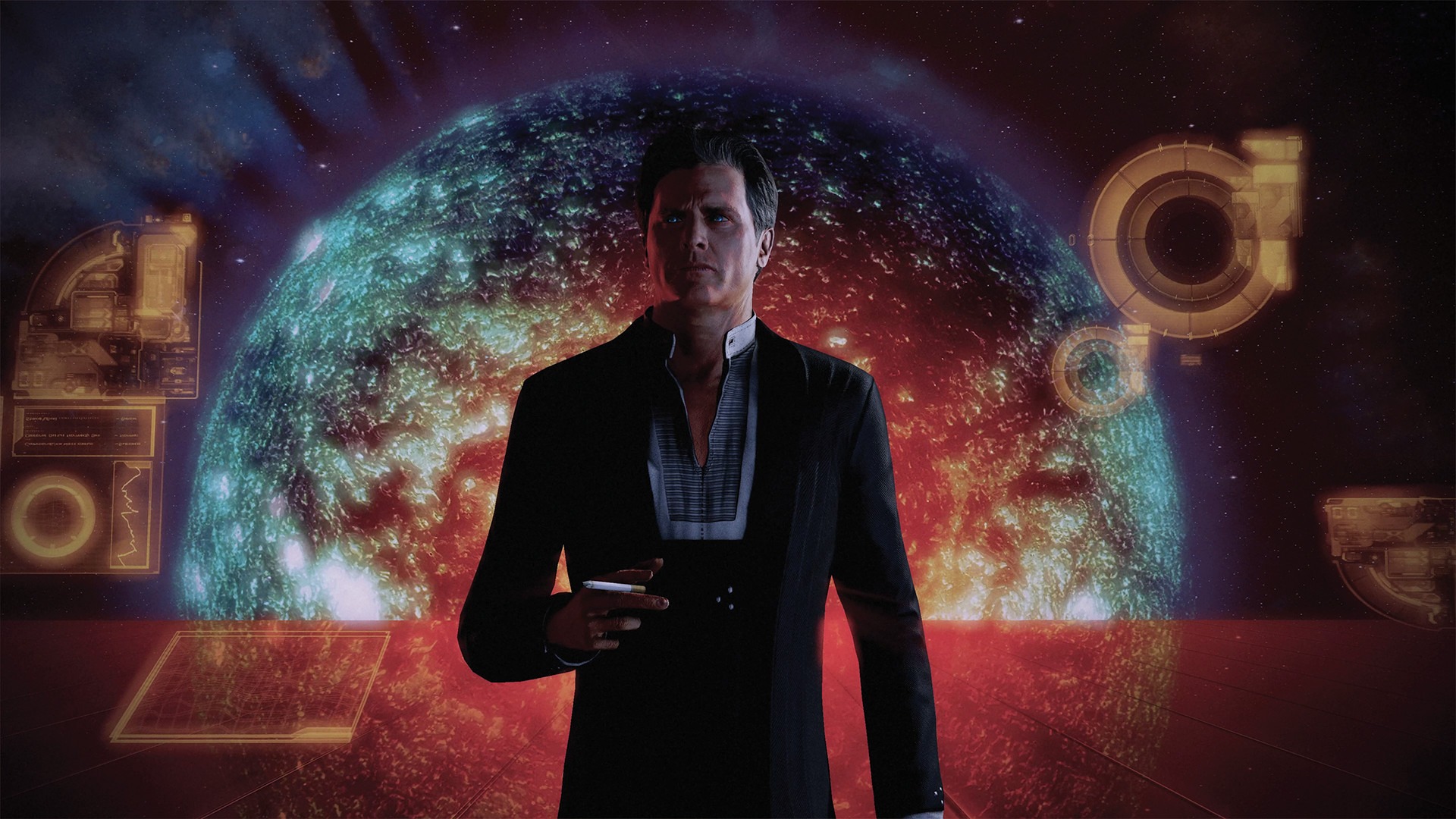
The Collectors are abducting human colonists, and Shepard's investigation gradually reveals their connection to the Reapers. Cerberus provides the resources to pursue them, although the organization's history makes its sudden cooperation with Shepard difficult to trust. The attack on Horizon and the mission aboard a Collector ship provide some tense moments, but the Collectors themselves remain largely faceless villains throughout the campaign.
Harbinger keeps possessing Collector soldiers and repeating the same threats, while wave after wave of Collectors and husks makes the firefights increasingly predictable. Much of the campaign feels like preparation for the final mission rather than a story with substantial developments of its own.
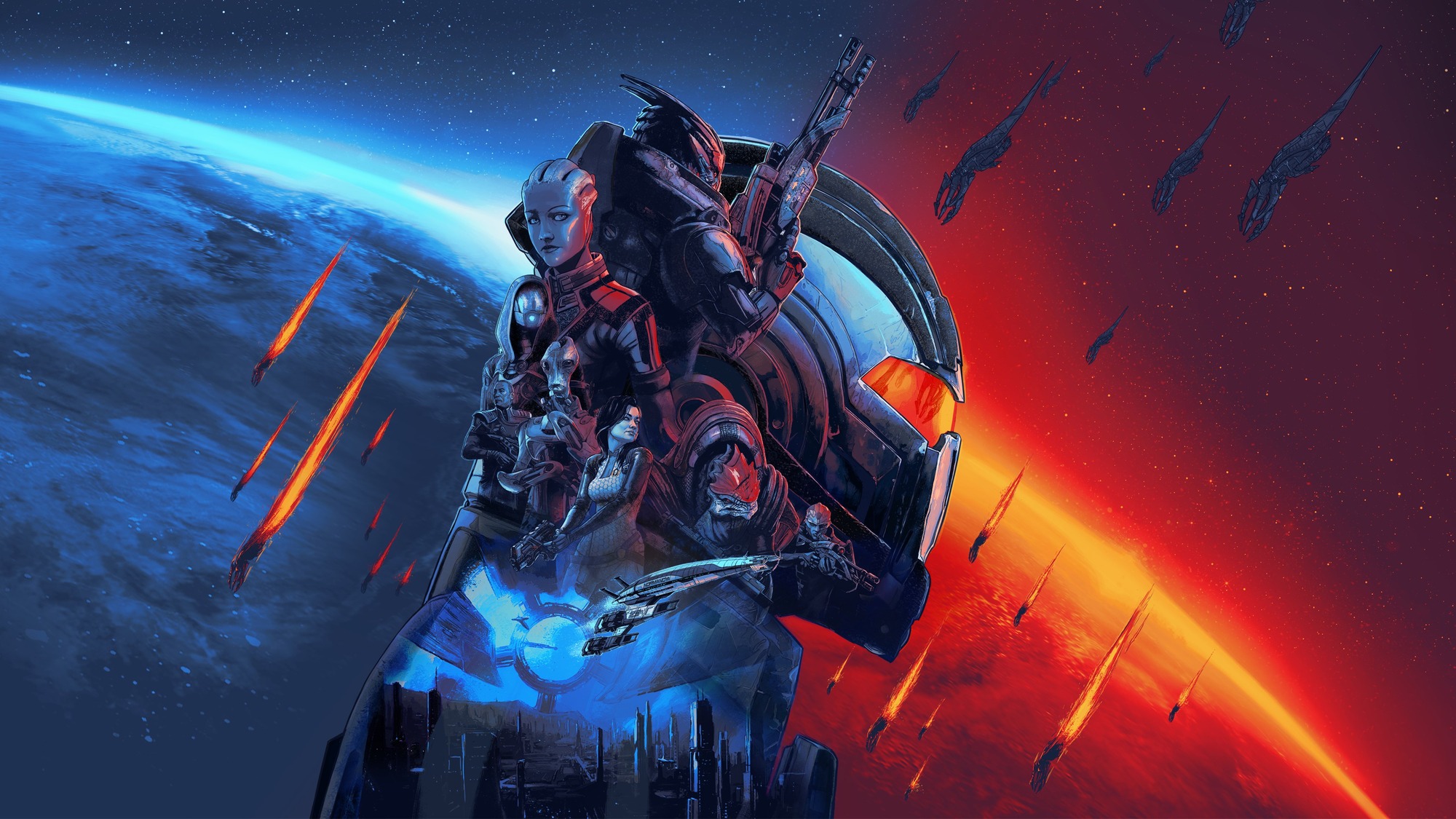
Mass Effect 2's Combat Is Faster but More Restrictive
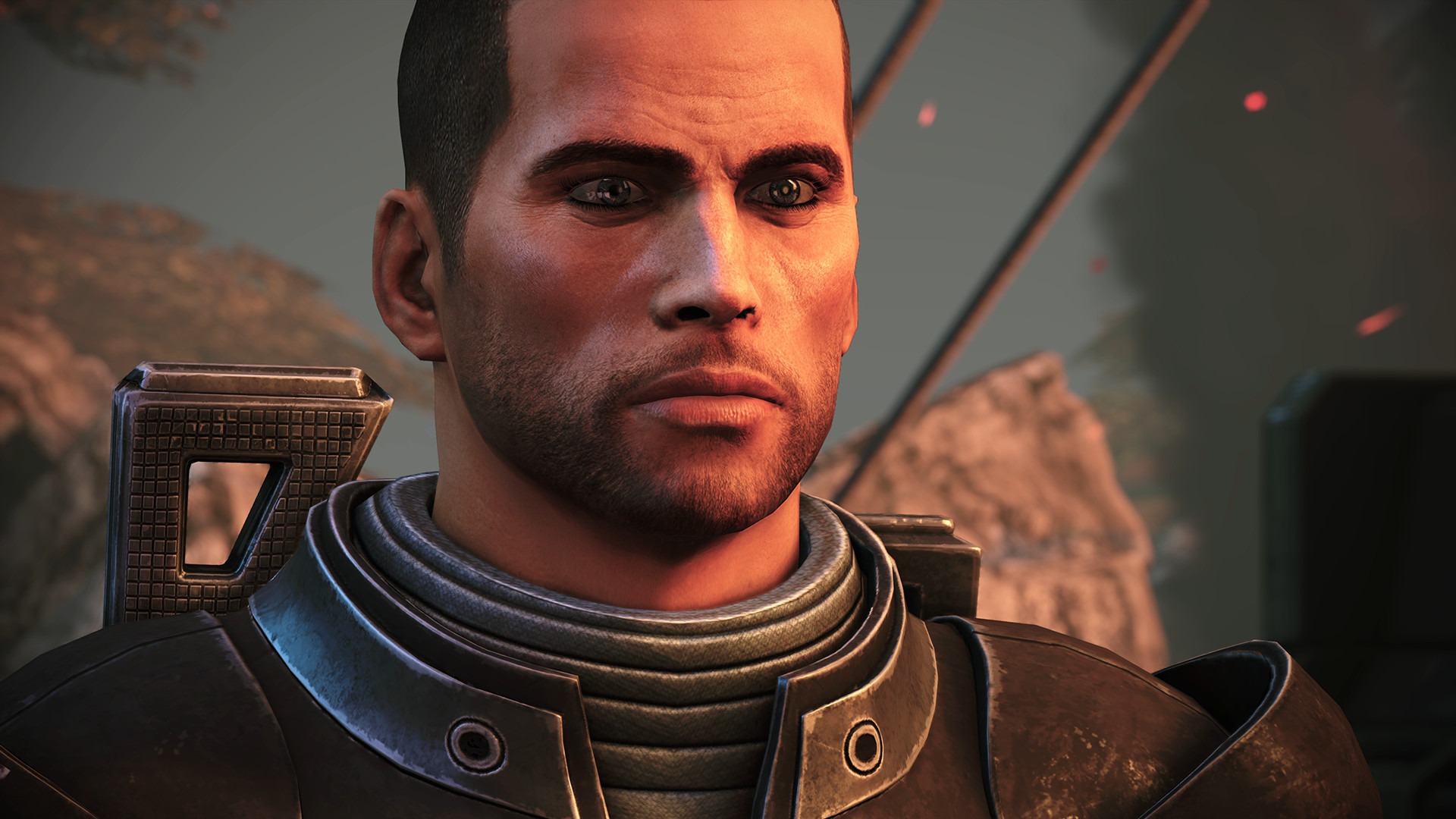
Shepard can command two squadmates during combat, using their abilities to weaken enemy defenses. Overload is useful against shields and synthetic enemies, while Warp damages barriers and armor. Choosing teammates with complementary powers becomes important on higher difficulties.
The six character classes offer different approaches. Vanguards can use Biotic Charge to close distances aggressively, while Infiltrators rely on Tactical Cloak and precision shooting. Engineers and Adepts have more options for controlling enemies through technology and biotics.
Combat feels much better than in the first Mass Effect, but too many encounters take place in narrow areas lined with obvious cover. Once you know where enemies appear and how to deal with their defenses, fights start to feel predictable.
Mass Effect 2 also cuts back heavily on weapon customization. Research and shop upgrades are easier to manage than the original's sprawling inventory, but there's much less room to experiment with equipment.
Planet Scanning Is Still a Tedious Part of Progression
Upgrading weapons, armor, and the Normandy requires resources collected from planets. Shepard scans planetary surfaces for mineral deposits before launching probes to recover materials.
Slowly sweeping the scanner across planet after planet soon feels like busywork, especially when you're short on materials for the Normandy's upgrades.
The Legendary Edition improves ammunition availability during combat, particularly for sniper rifles, and integrates downloadable weapons and armor into normal progression. It also fixes several reputation-related problems that previously affected dialogue choices.
Scanning planets for platinum, palladium, iridium, and element zero remains one of the dullest parts of preparing the Normandy.
The Suicide Mission puts your decisions to the test
The final mission sends Shepard's assembled team through the Omega 4 Relay, where decisions made throughout the campaign determine who survives. Loyalty missions improve the squad's chances, but completing them isn't enough to guarantee everyone's safety.
The Normandy also requires important upgrades, and Shepard must assign appropriate specialists to different tasks. Choosing the wrong person to lead a team or handle a technical objective can have deadly consequences, even when that character is loyal.
By this point, you've spent hours getting to know the crew, making every assignment feel risky when a wrong choice could get someone killed. Unlike many RPG finales, the ending can leave permanent gaps in the cast. Those losses also carry into Mass Effect 3 when continuing an imported save.
Lair of the Shadow Broker Is the Best DLC
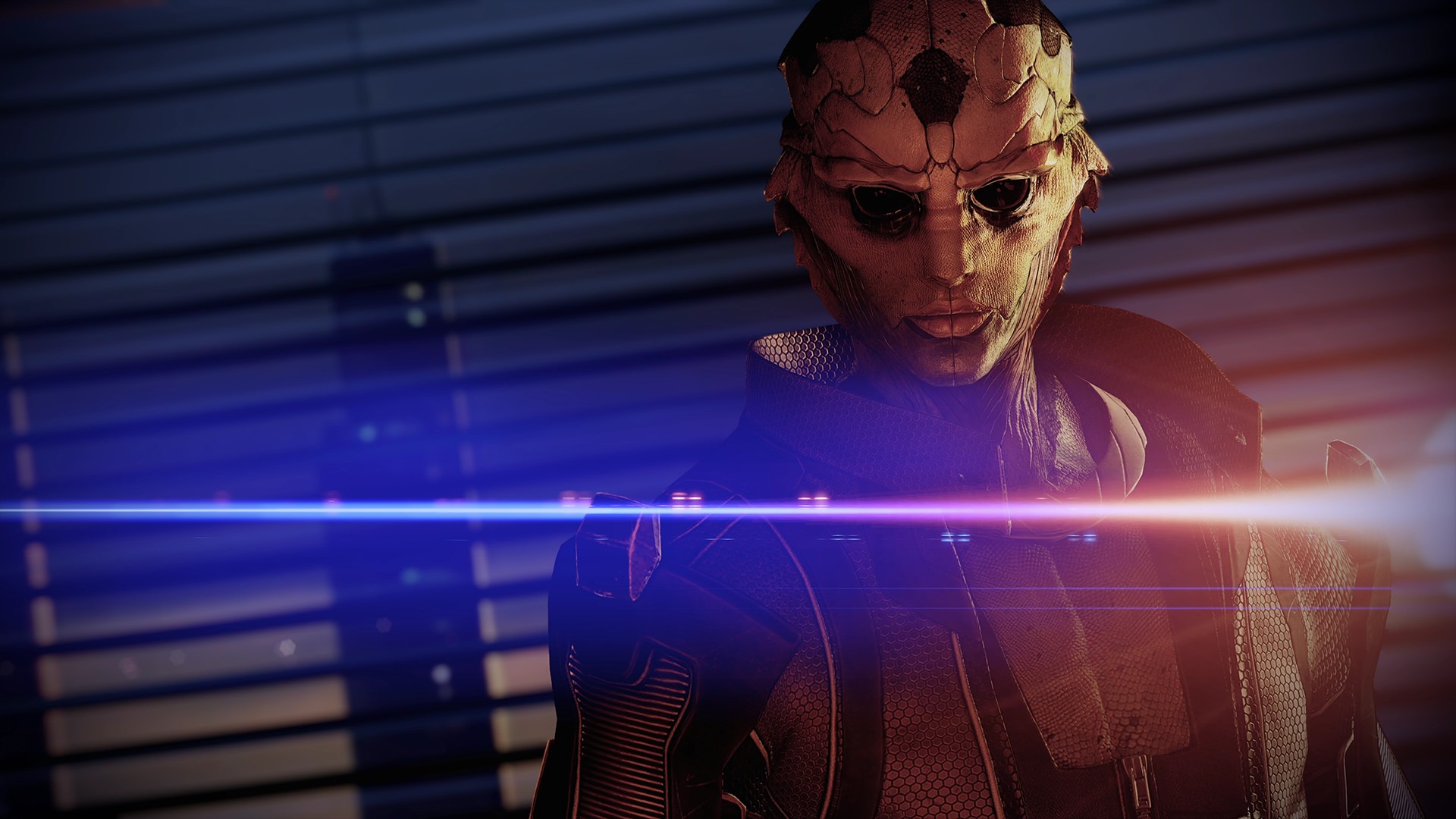
Lair of the Shadow Broker reunites Shepard with Liara T'Soni and follows her investigation into a powerful information dealer. A high-speed vehicle chase and challenging fights keep the action entertaining, while Liara gets some much-needed character development.
Overlord explores a disturbing Cerberus experiment involving artificial intelligence and human exploitation. Its story becomes increasingly unsettling as Shepard uncovers the project's purpose, although some vehicle sections interrupt the investigation.
Arrival connects the events of Mass Effect 2 to the third game, sending Shepard on a largely solo assignment. Arrival sets up Mass Effect 3 effectively, but its mostly solo combat encounters are less memorable than the story they lead into. All three expansions, along with the additional squadmates and other single-player DLC, are included in Mass Effect Legendary Edition.
Mass Effect 2's characters are its greatest strength
Mass Effect 2's faster combat and simpler progression come at a cost. Its shootouts grow repetitive, planet scanning is tedious, and the Collectors rarely develop into compelling antagonists. Those shortcomings are easier to overlook because the crew gives the campaign its identity.
Tali's trial, Mordin's reckoning with the genophage, Garrus's revenge, and Jack's past make the Normandy feel full of people worth protecting. When Shepard finally crosses the Omega 4 Relay, the possibility of losing them gives every decision weight. Sixteen years on, the Suicide Mission remains one of BioWare's finest achievements.