Marvel's Spider-Man Has Excellent Web-Swinging but Too Much Open-World Busywork
Insomniac Games delivers fast, acrobatic combat and a convincing portrayal of Peter Parker, although repetitive side activities and frustrating stealth missions hold back an otherwise excellent superhero adventure.
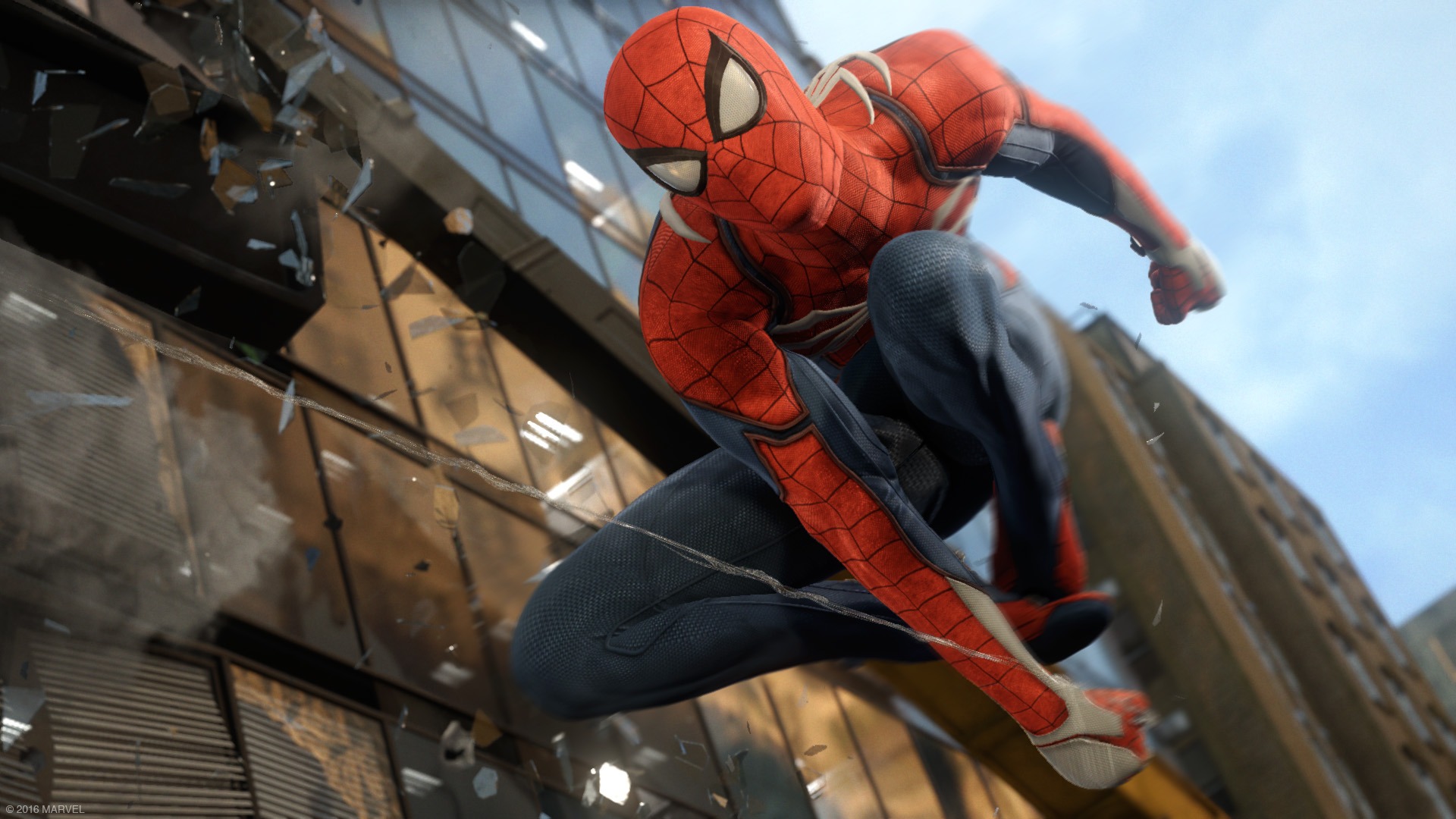
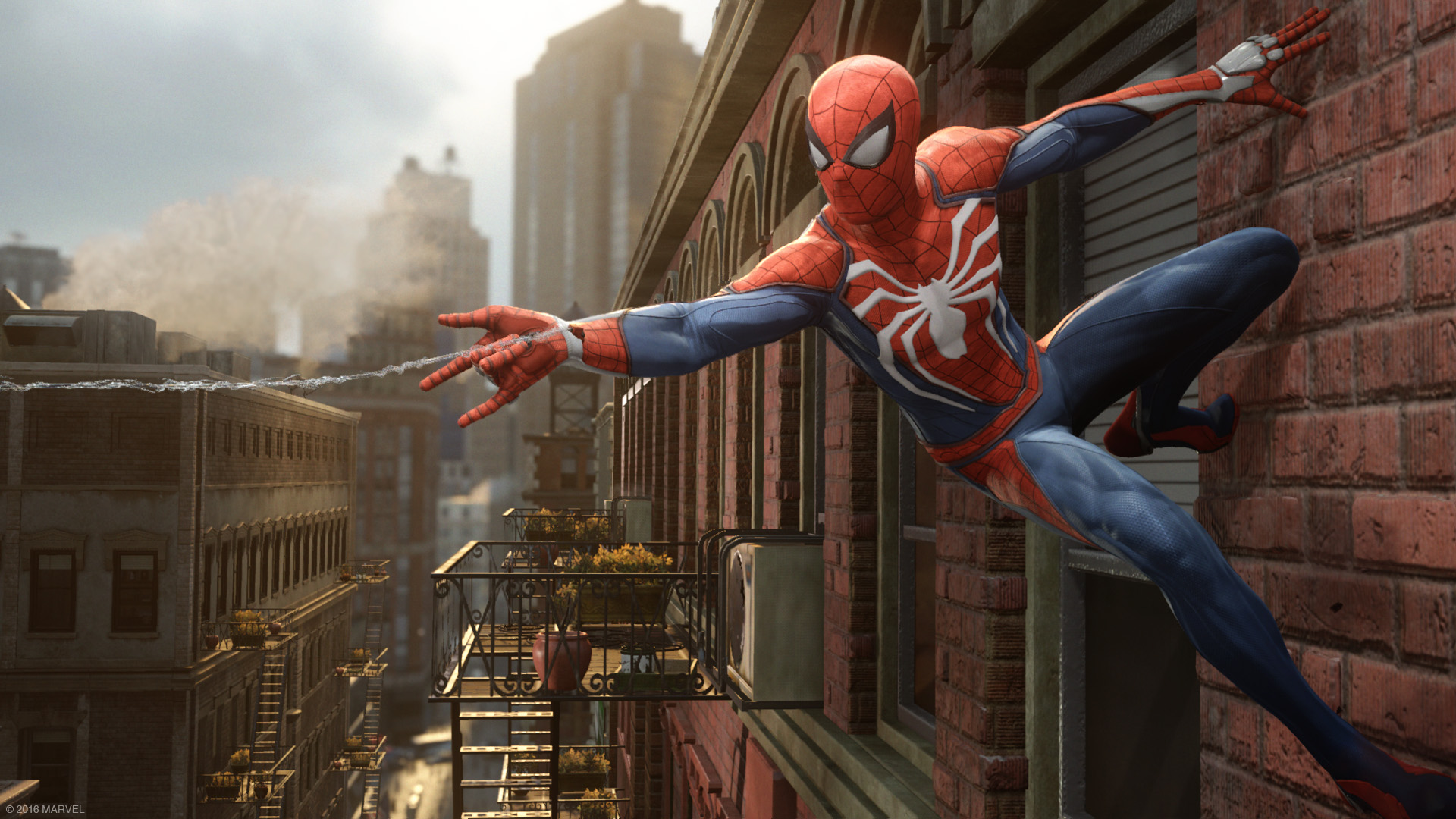
Marvel's Spider-Man makes traveling across Manhattan more enjoyable than many of the activities waiting at the destination. Swinging between skyscrapers, running along buildings, and diving toward the streets before launching another web rarely gets boring. Insomniac Games built a movement system that makes fast travel almost unnecessary, even when crossing the entire map.
Originally released in September 2018, the game follows a 23-year-old Peter Parker who has spent eight years fighting crime. Rather than retelling his origin story, Insomniac concentrates on his established relationships with Mary Jane Watson, Aunt May, and Otto Octavius. Peter's personal struggles give the story weight, while new gadgets and abilities keep combat entertaining. Repetitive side activities and forced stealth missions, however, regularly interrupt the action.
Web-Swinging Through Manhattan Is Still Excellent
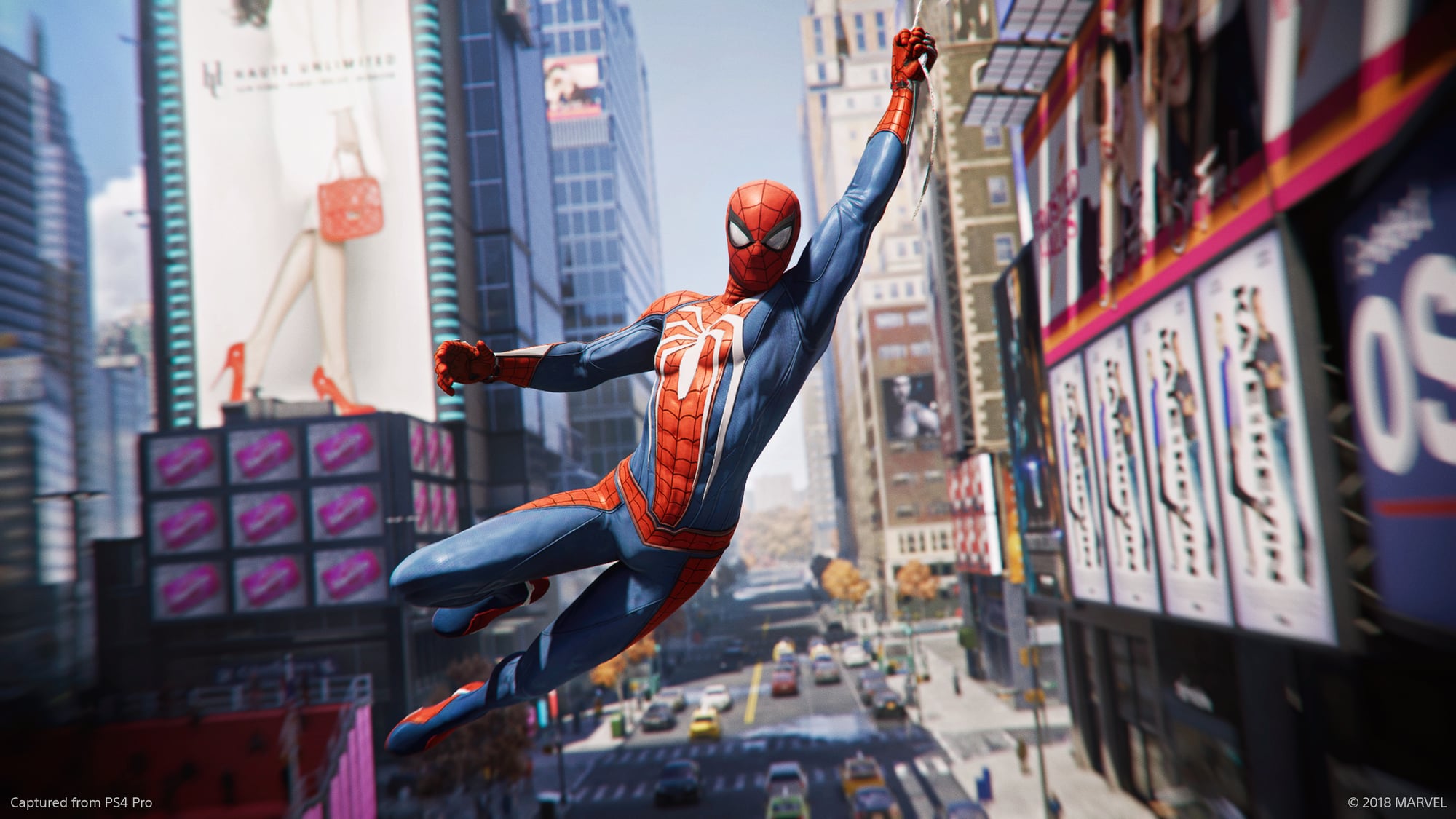
Spider-Man's movement combines swinging, wall-running, web-zipping, and point launching. Diving toward the street builds momentum, while releasing a web at the right moment sends Peter flying between buildings. Point launching off rooftops, streetlights, and other objects allows him to change direction without stopping.
The system is forgiving enough to make ordinary travel accessible, but maintaining speed requires attention to timing and positioning. Peter can run directly up a building, launch himself from its roof, and immediately transition into another swing. You can chain these movements together without losing speed or control.
Tall buildings encourage faster swings, while narrower streets require more careful navigation. The Remastered edition's higher frame rates and near-instant loading improve the experience further, particularly when moving rapidly through crowded neighborhoods.
Spider-Man's Combat Makes Good Use of His Gadgets and Mobility

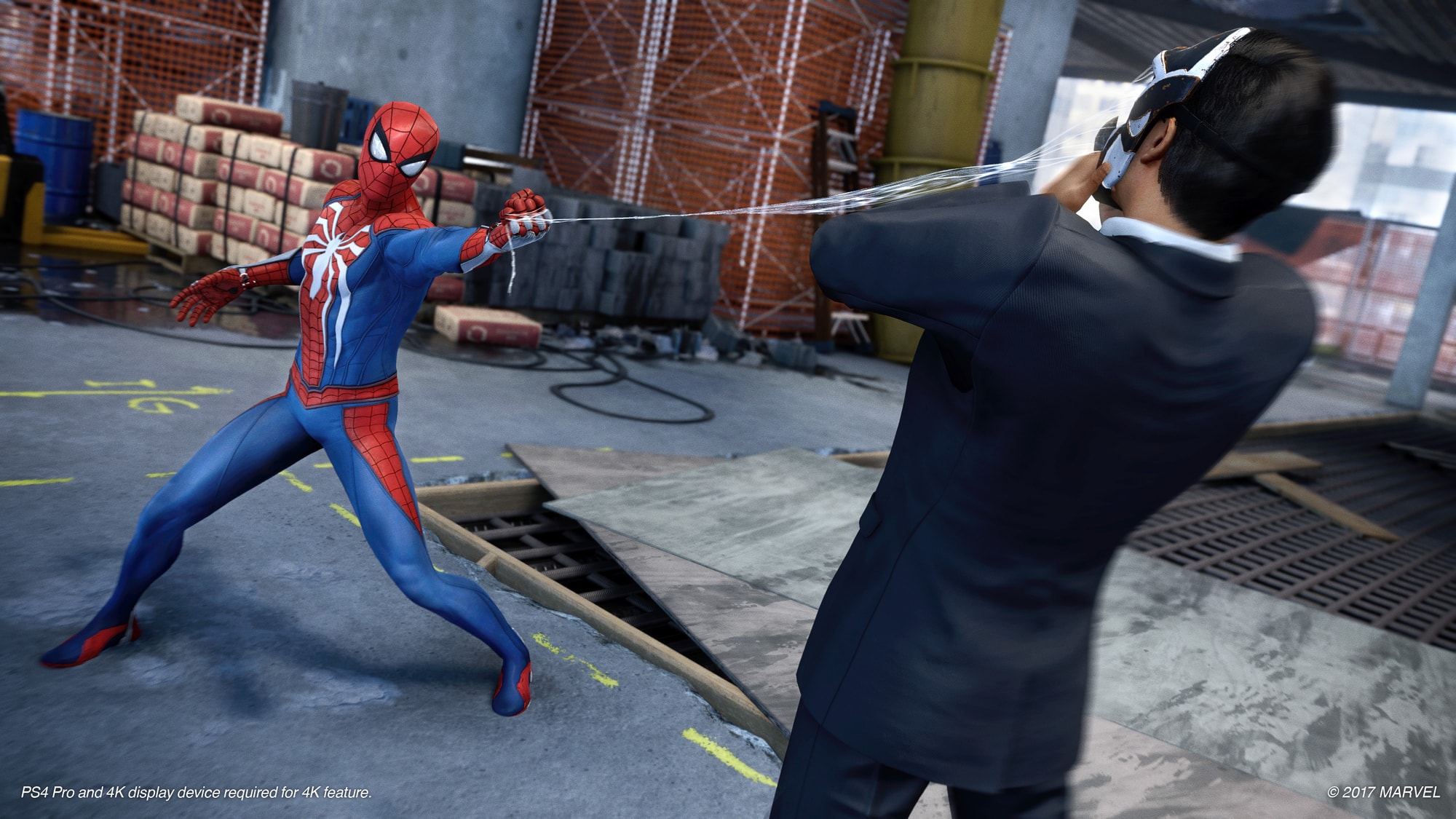
Combat borrows familiar ideas from the Batman: Arkham games, including dodging incoming attacks, building combinations, and performing finishers. Spider-Man is much more mobile, however, with aerial attacks, web-based gadgets, and environmental objects playing important roles.
Impact Web can launch enemies into walls, while Trip Mines attach unsuspecting opponents to nearby surfaces. Electric Web stuns groups, and the Suspension Matrix lifts enemies into the air. Chaining gadgets into aerial attacks and using the surroundings to take down enemies makes fights more varied.
The Focus meter introduces a useful decision between healing and performing finishers. Spending Focus to eliminate a dangerous enemy can shorten a fight, but keeping it available for healing is safer when surrounded.
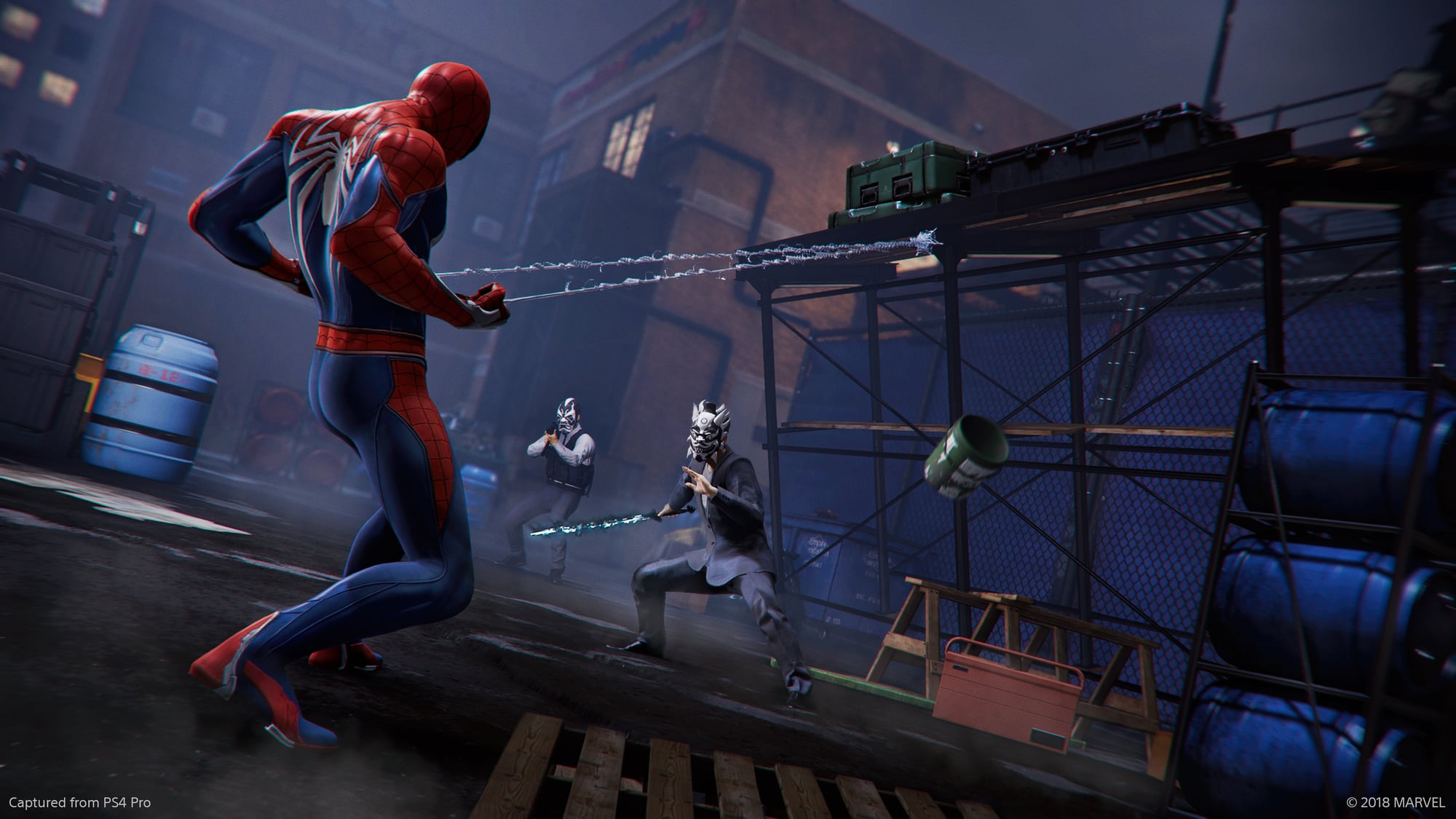
Combat starts to feel repetitive later in the campaign, especially during optional base challenges that throw wave after wave of armed criminals and armored enemies at you. Spider-Man has plenty of abilities to keep fights interesting, but the game leans too heavily on overwhelming numbers.
Peter Parker's Relationship With Otto Octavius Carries the Story

Peter works as a research assistant for Otto Octavius, an ambitious scientist developing advanced prosthetic technology. Their relationship is built around mutual respect, with Peter genuinely admiring Otto's intelligence and determination.
Yuri Lowenthal gives Peter a convincing mixture of confidence and exhaustion. He jokes constantly while fighting criminals, but his conversations with Otto and Aunt May reveal someone struggling to manage responsibilities he cannot afford to abandon.
Martin Li provides another interesting character through his involvement with the F.E.A.S.T. homeless shelter. His public reputation and private ambitions create problems for Peter, particularly because Aunt May works closely with him. The late-game rush of villains leaves some of them with too little time to make an impression.

Mary Jane and Miles Morales Have Frustrating Stealth Missions
Several missions temporarily remove Spider-Man's abilities and place players in control of Mary Jane Watson or Miles Morales. These sequences usually involve avoiding guards, distracting enemies, and following predetermined routes.
Mary Jane's investigative work gives her an active role in the story, but the stealth mechanics are basic. Guards follow predictable patterns, and being detected often means restarting from a checkpoint rather than escaping through an alternative route.
Miles' sections help develop his relationship with Peter, but playing as him mostly means waiting for guards to turn their backs. After spending hours mastering Spider-Man's movement and combat, being forced to slowly sneak past another group of guards feels unnecessarily restrictive.
Backpacks, Crime Events, and Enemy Bases Become Repetitive
Manhattan contains backpacks, landmark photography locations, research stations, crime events, and enemy bases. Completing these activities awards tokens used to purchase suits, gadgets, and upgrades.
The backpacks are an entertaining way to explore Peter's history, containing objects connected to earlier adventures and encounters. Photographing landmarks also gives players an excuse to visit recognizable locations throughout the city.
Other activities are less interesting. Activating surveillance towers to uncover the map feels dated, while repeatedly stopping robberies and clearing enemy bases eventually becomes routine. Some research stations offer more unusual tasks, such as collecting pollution samples or vaccinating pigeons, but few provide much of a challenge.
Taskmaster's challenges are more enjoyable, especially the Drone Challenges that test how quickly and accurately you can follow a moving target across the city. Completing them requires more precision than ordinary exploration, although earning enough Challenge Tokens for upgrades can become frustrating.
The City That Never Sleeps Adds More Combat but Few New Ideas
The Remastered edition includes all three chapters of The City That Never Sleeps: The Heist, Turf Wars, and Silver Lining. The additional story follows Spider-Man's dealings with Black Cat, Hammerhead, and Silver Sable.
Peter's history with Black Cat makes their exchanges entertaining, while Hammerhead's men put up a tougher fight. Unfortunately, the expansions also repeat familiar enemy-base missions and challenge activities.
The additional chapters are worthwhile for their character interactions, but they don't address the repetitive structure of the original game's optional content.
Marvel's Spider-Man Is Better When It Focuses on Peter Parker
Swinging through Manhattan remains a pleasure, and Peter's relationships with Otto, Aunt May, and Mary Jane give the story much of its emotional weight. The web-swinging remains excellent, and the relationships with Otto, Aunt May, and Mary Jane give the campaign more weight than its collection of supervillain battles. The forced stealth missions and repetitive side activities rarely match those highs, while the late-game rush of villains leaves some characters underdeveloped.
Insomniac understands Peter Parker better than it understands how to fill an open-world map. Watching him struggle with his responsibilities is far more interesting than clearing another criminal hideout, and swinging across Manhattan is often more enjoyable than the mission waiting at the other end.

Starring the world’s most iconic Super Hero, Spider-Man features the acrobatic abilities, improvisation and web-slinging that the wall-crawler is famous for, while also introducing elements never-before-seen in a Spider-Man game.
 PC
 Xbox
 PlayStation
 Nintendo
 Steam
 GOG
 Epic Games