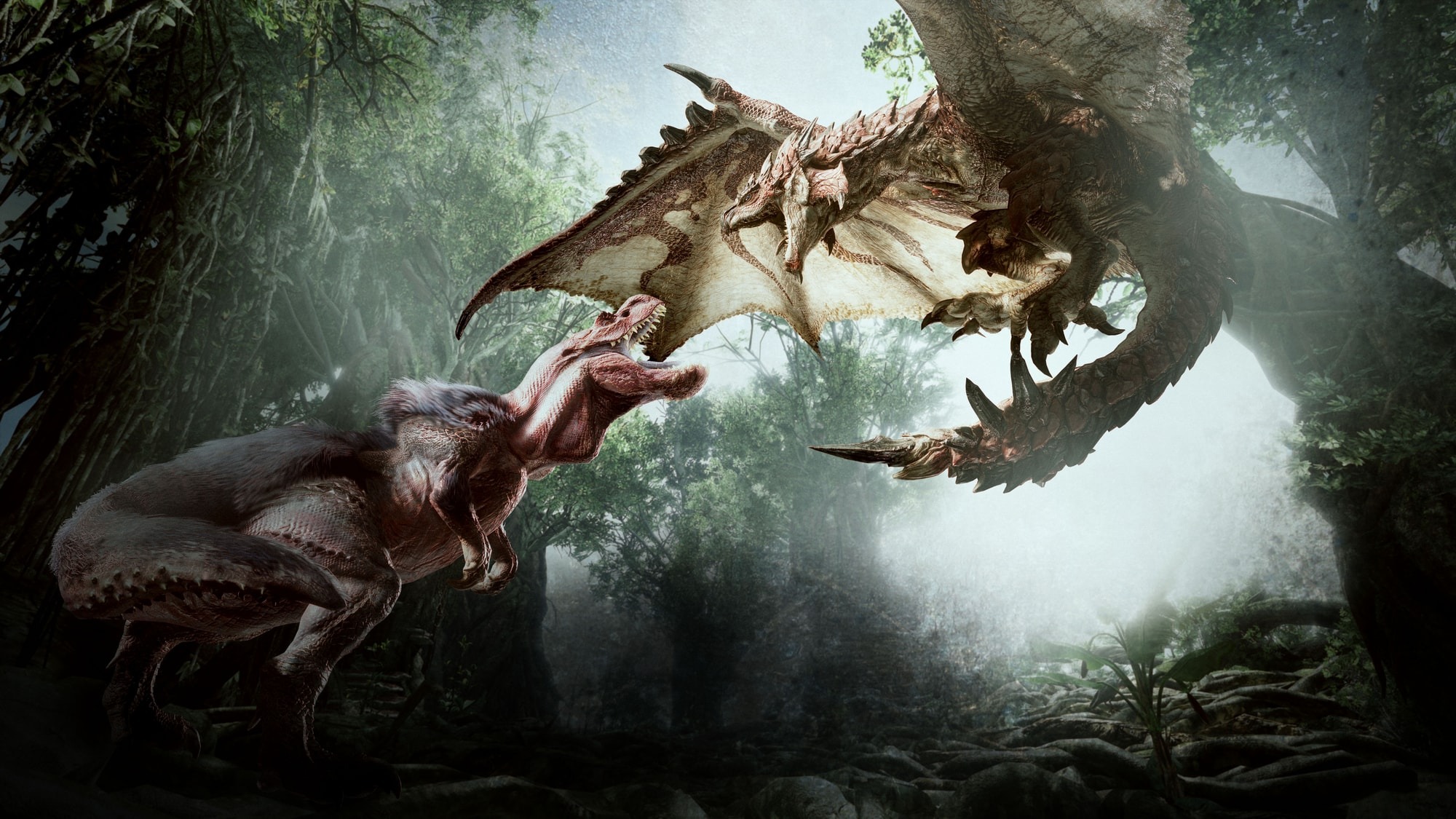
Monster Hunter: World's Combat Makes Repeated Hunts Worthwhile
Capcom's action RPG has excellent monster fights, fourteen distinctive weapons, and a demanding expansion in Iceborne. Its complicated menus, frustrating multiplayer restrictions, and lengthy equipment grind are less enjoyable.
Monster Hunter: World makes fighting the same creature repeatedly surprisingly entertaining. Anjanath's aggressive charges, Diablos' devastating horn attacks, and Nergigante's growing spikes all demand different approaches.
Learning their behavior is essential, particularly when a missed attack leaves a hunter exposed long enough to be knocked unconscious. Better armor helps, but it won't save you if you keep mistiming dodges or attacking when a monster is about to strike.
Released in January 2018, Capcom's action RPG brought the series into larger, interconnected environments with improved tracking, more accessible gathering, and streamlined equipment management. Its combat remains excellent, especially with the additional monsters and challenges introduced by Iceborne.
The story is forgettable, however, and several systems remain unnecessarily complicated. Even returning players can spend more time organizing decorations and materials than they'd like.
Monster Hunter: World's Fourteen Weapons Require Different Skills
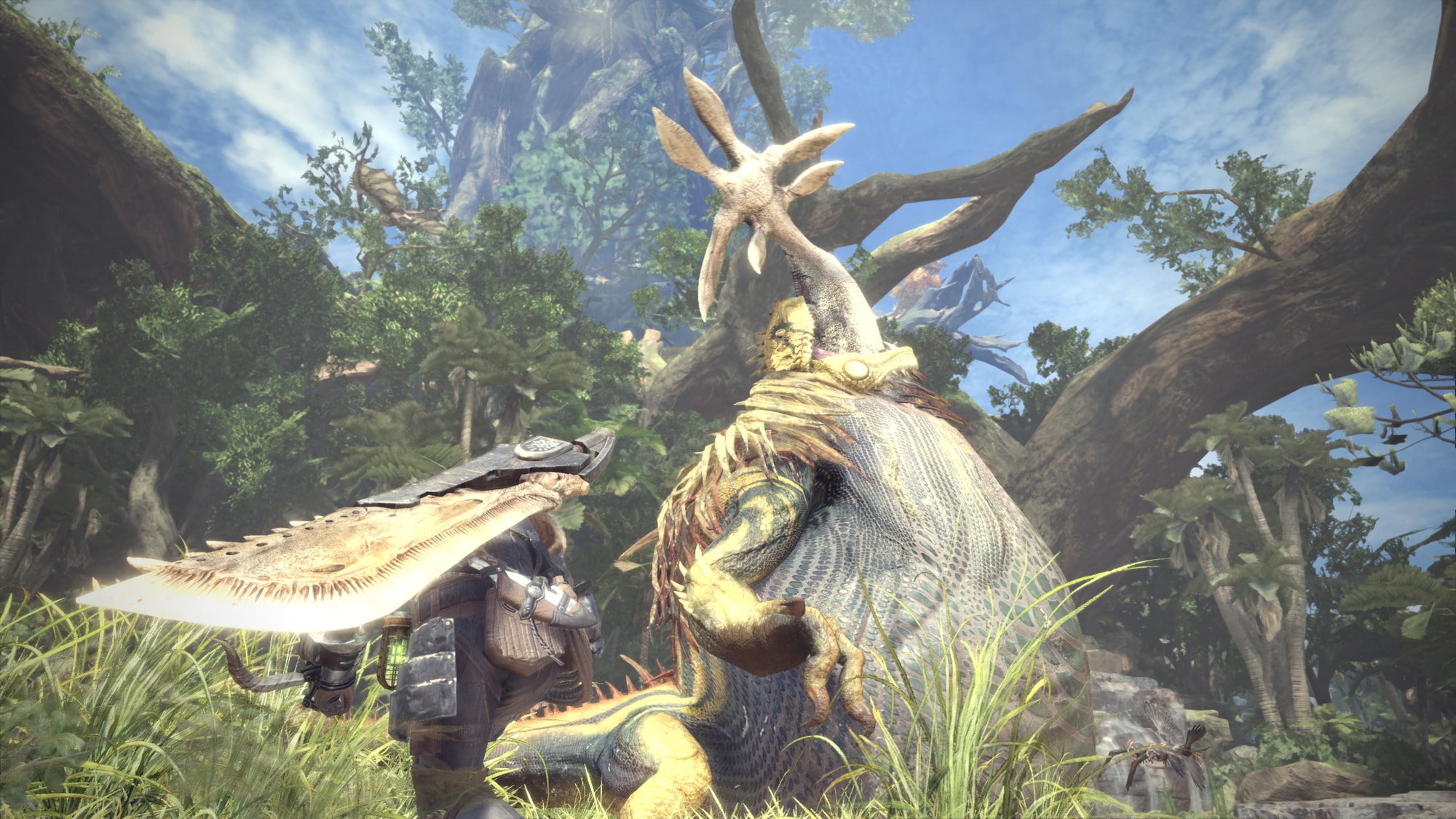
The Great Sword delivers enormous damage through slow, charged attacks, but missing a fully charged strike can leave its user vulnerable. The Long Sword relies on building and spending Spirit Gauge, while the Lance emphasizes guarding, counterattacks, and staying close to a monster.
The Insect Glaive lets you vault over attacks, while collecting Kinsect extracts boosts your abilities. Charge Blade users must manage phials while switching between sword-and-shield and axe modes. The Bow requires careful stamina management and positioning to maintain damage without becoming an easy target.
Every attack has an animation commitment, and using a potion or sharpening a weapon during combat leaves a hunter exposed. Some weapons feel awkward initially, particularly when their strongest attacks require lengthy combinations or precise positioning.
With practice, you start landing attacks on weak points more consistently, and familiar hunts become faster even before you upgrade your equipment.
Anjanath, Diablos, and Nergigante Are Excellent Monster Encounters
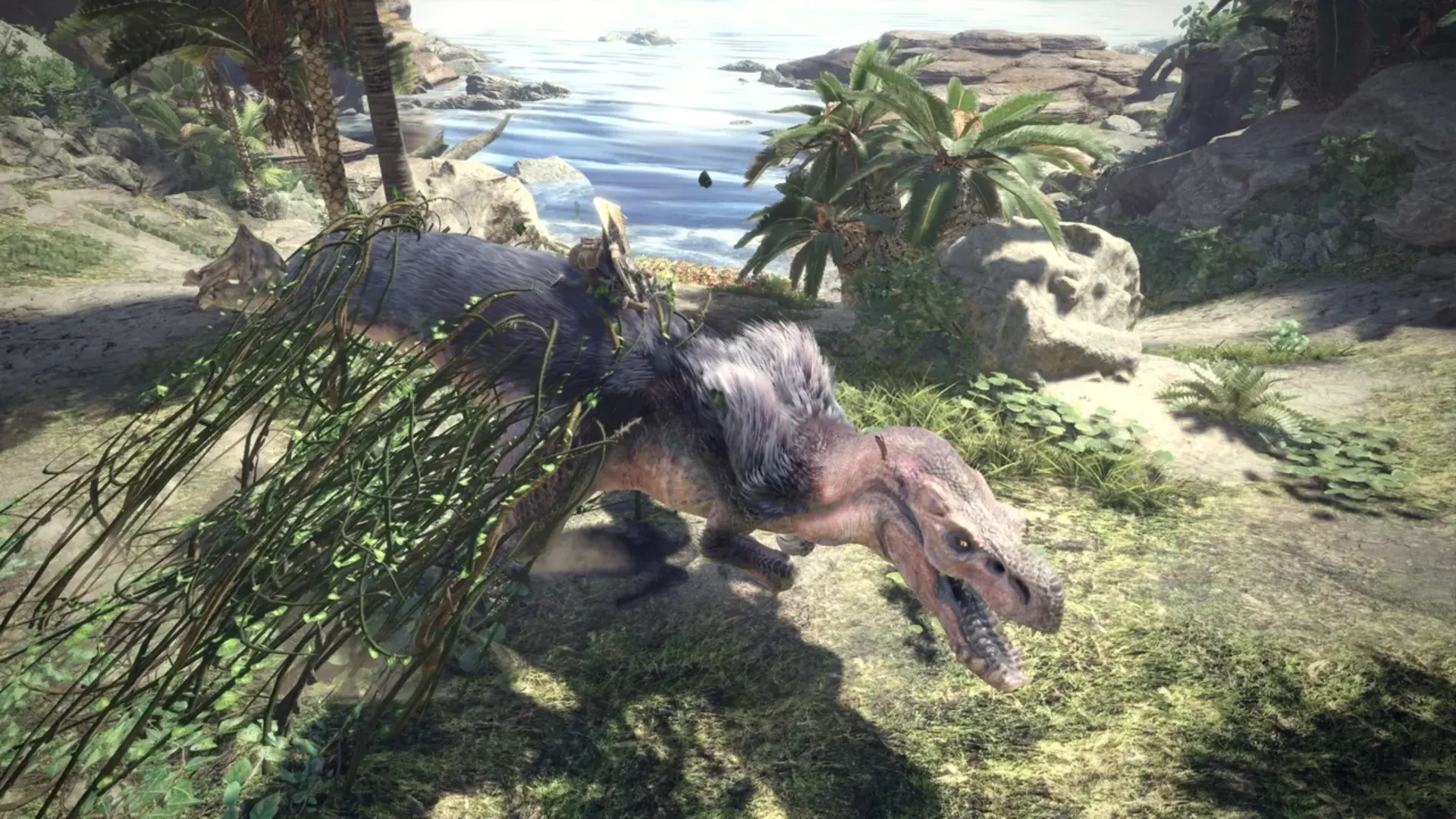
Anjanath is one of the first serious tests in the Ancient Forest. Its size, aggressive movement, and powerful fire attacks punish hunters who stand directly in front of it.
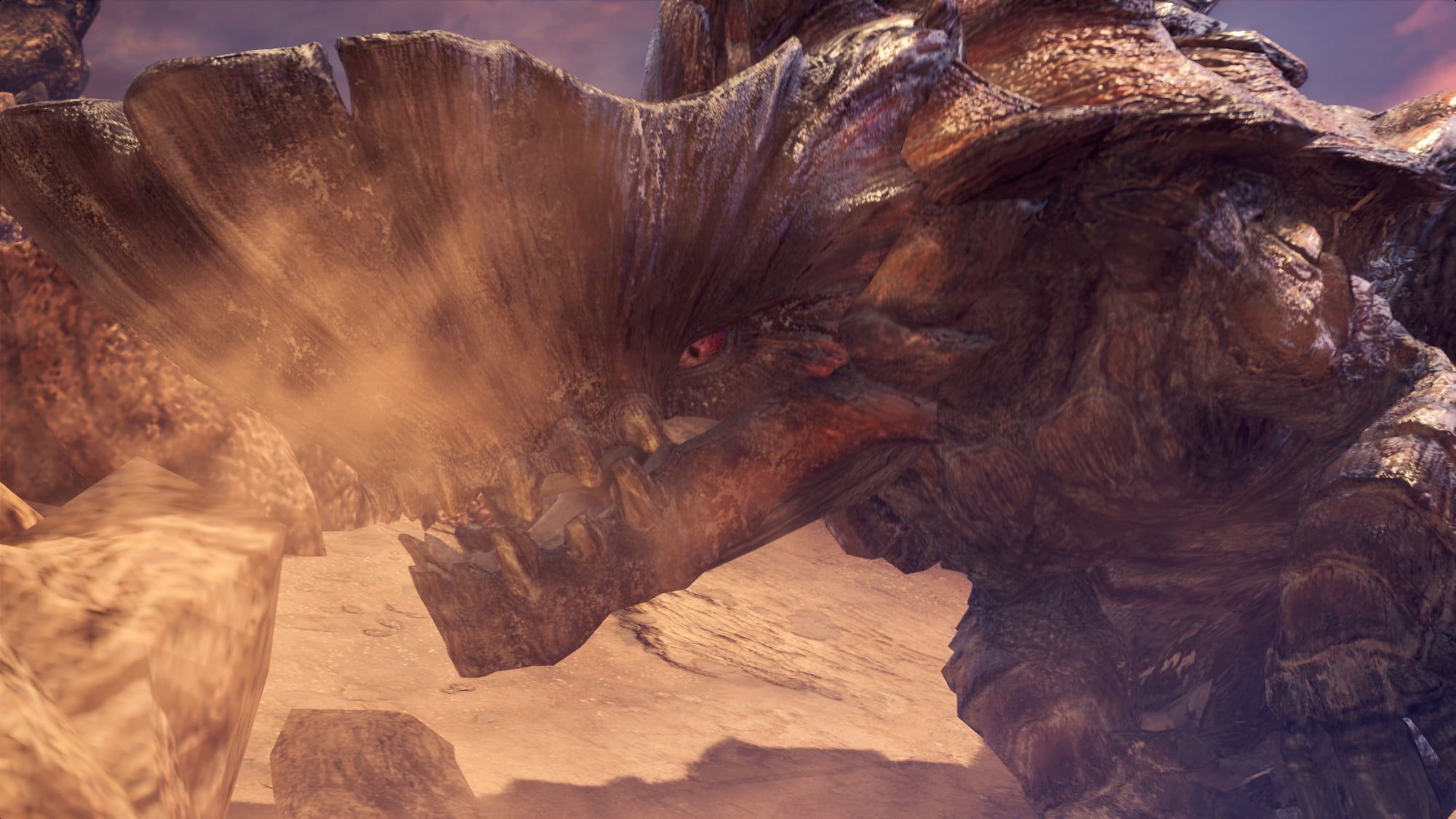
Diablos presents a different challenge in the Wildspire Waste. Its charges cover considerable ground, and its ability to burrow makes positioning dangerous. Screamer Pods can interrupt certain underground attacks, giving prepared hunters an advantage.
Nergigante's spikes gradually harden, changing which attacks are effective against its body. Breaking them before they become more difficult to damage is particularly important during longer encounters.
Monsters can also interrupt one another. Turf wars sometimes leave a target injured or knocked down, while environmental traps, falling rocks, and slopes provide additional ways to gain an advantage.
The Ancient Forest Makes Tracking Monsters More Interesting
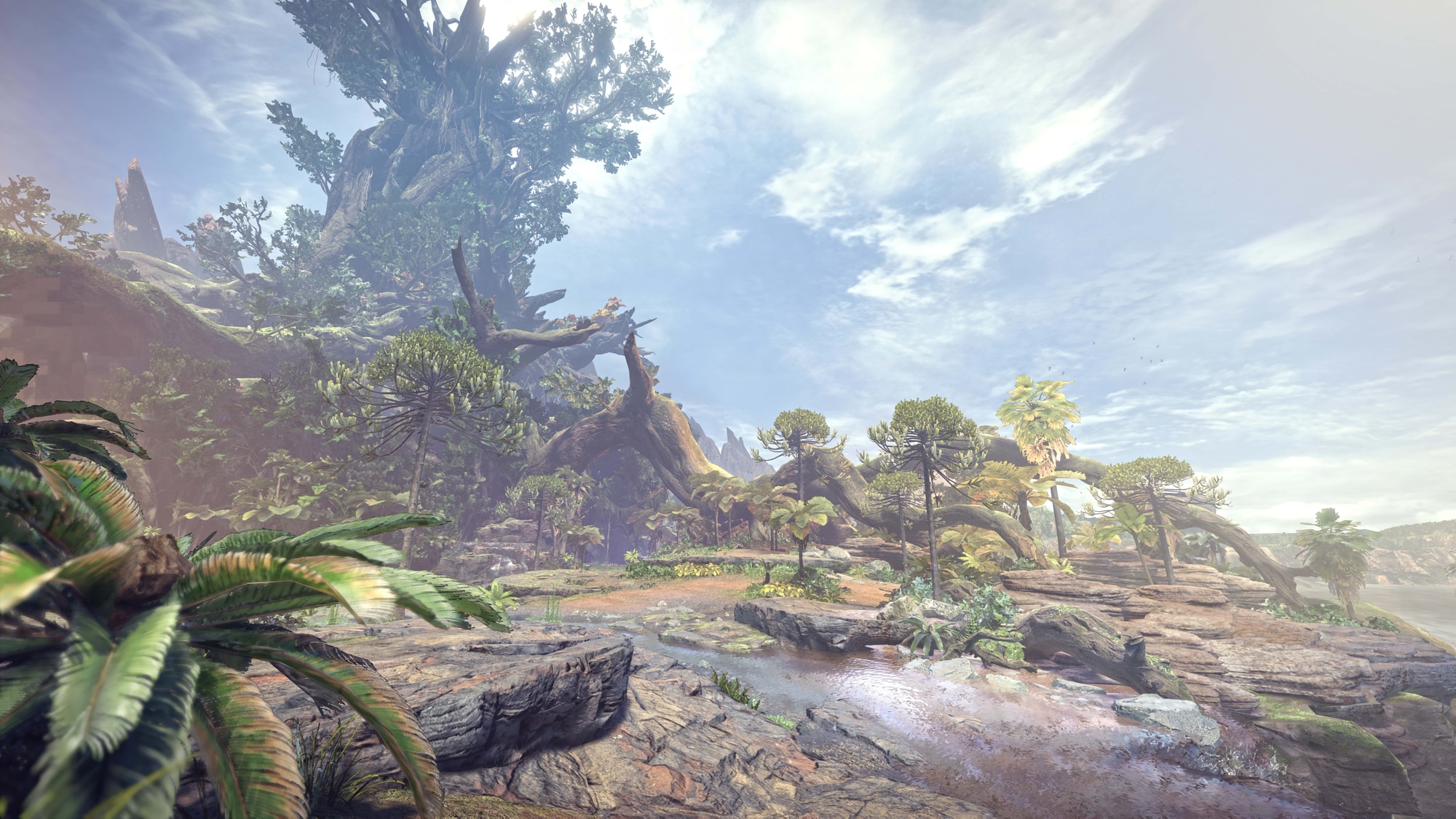
Scoutflies guide hunters toward footprints, mucus, scratches, and other signs left by monsters. Collecting enough evidence improves tracking, eventually allowing the insects to lead directly toward a target.
The Ancient Forest's towering trees conceal winding passages, underground areas, and elevated routes. Monsters move through several different habitats, sometimes forcing hunters to pursue them across substantial distances.
Unfortunately, the forest is also difficult to navigate. Its overlapping levels and winding paths can make reaching a nearby monster surprisingly confusing. Scoutflies occasionally redirect hunters through awkward routes, while the camera struggles when fighting large creatures in confined spaces.
The Rotten Vale is easier to navigate but introduces hazardous environments that require additional preparation. Its acid pools and effluvium-filled areas are especially dangerous when a monster corners you in the wrong spot.
Crafting Equipment Gives Every Hunt a Purpose
Defeating or capturing monsters provides materials for crafting weapons and armor. Breaking horns, severing tails, and targeting particular body parts can improve access to specific rewards, encouraging hunters to approach familiar encounters differently.
Armor skills become increasingly important as tougher monsters appear. Health Boost improves survivability, while skills such as Critical Eye and Weakness Exploit increase offensive potential. Decorations allow further adjustments, although obtaining particular jewels can require considerable luck.
The equipment grind eventually becomes exhausting. Hunting the same monster repeatedly for a rare material is less exciting when the fight has already been mastered. Decoration farming is even more frustrating, as completing difficult quests doesn't guarantee the jewels your build needs.
New players should also be careful with Defender weapons and Guardian armor. These were introduced to help hunters progress quickly toward Iceborne, but their unusually strong early-game statistics can bypass much of the original equipment progression and make the opening hunts too forgiving.
Monster Hunter: World's Story Gets in the Way of the Hunting
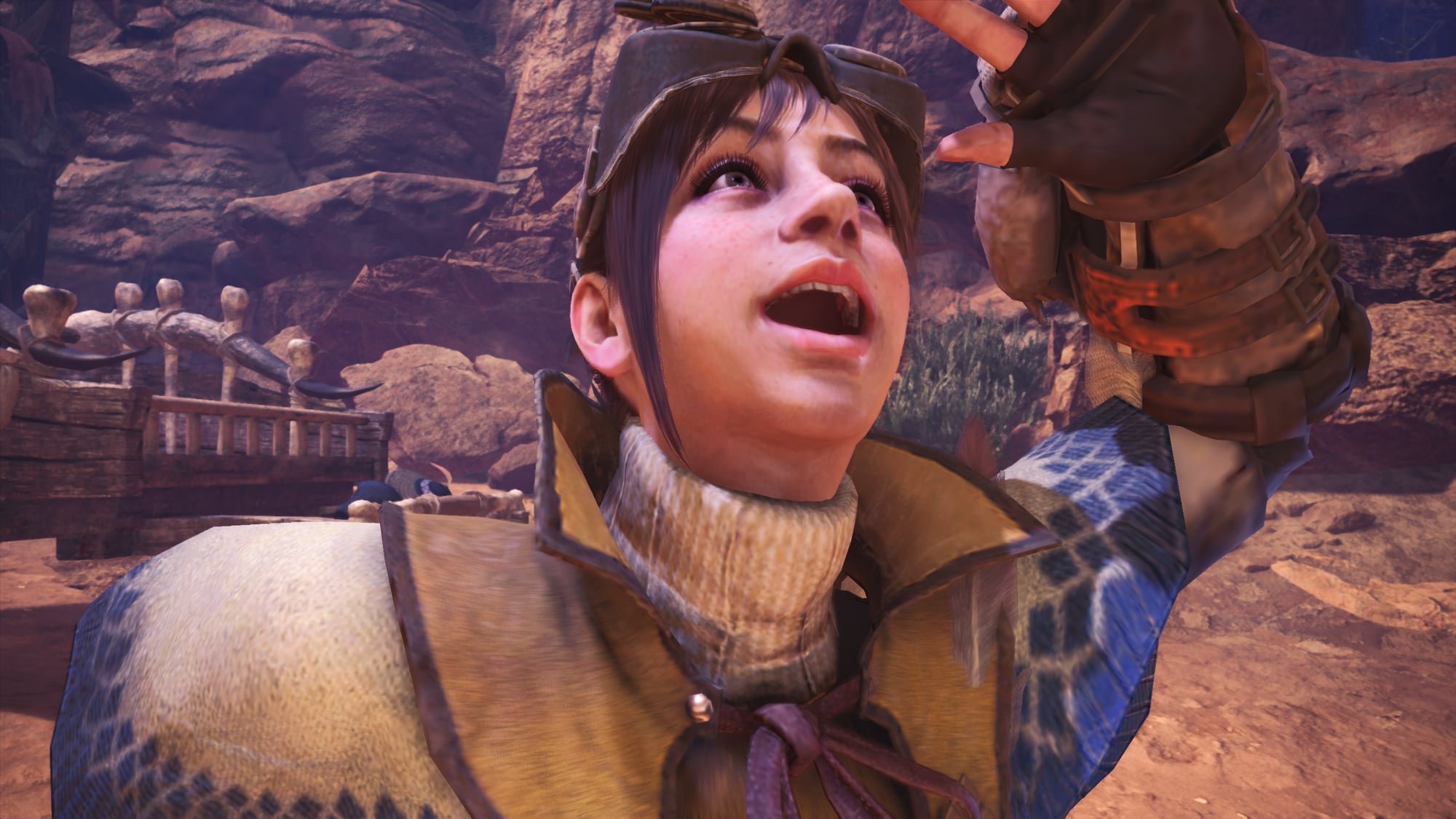
The campaign follows the Research Commission as it investigates the Elder Crossing and the mysterious behavior of Elder Dragons in the New World. The Handler accompanies the hunter throughout the investigation, frequently explaining discoveries and directing attention toward the next assignment.
The investigation mostly sends you from one monster sighting to the next, with lengthy conversations that do little to make the characters more interesting.
The Zorah Magdaros encounters are especially disappointing. Fighting an enormous Elder Dragon should be exciting, but much of these missions involves attacking fixed weak points, operating siege equipment, and waiting for scripted events. They lack the responsive combat that makes ordinary hunts entertaining.
Crafting, investigations, optional quests, bounties, and equipment upgrades are spread across several interfaces, making basic preparation more complicated than necessary.
Four-Player Co-op Is Excellent Once the Game Allows It
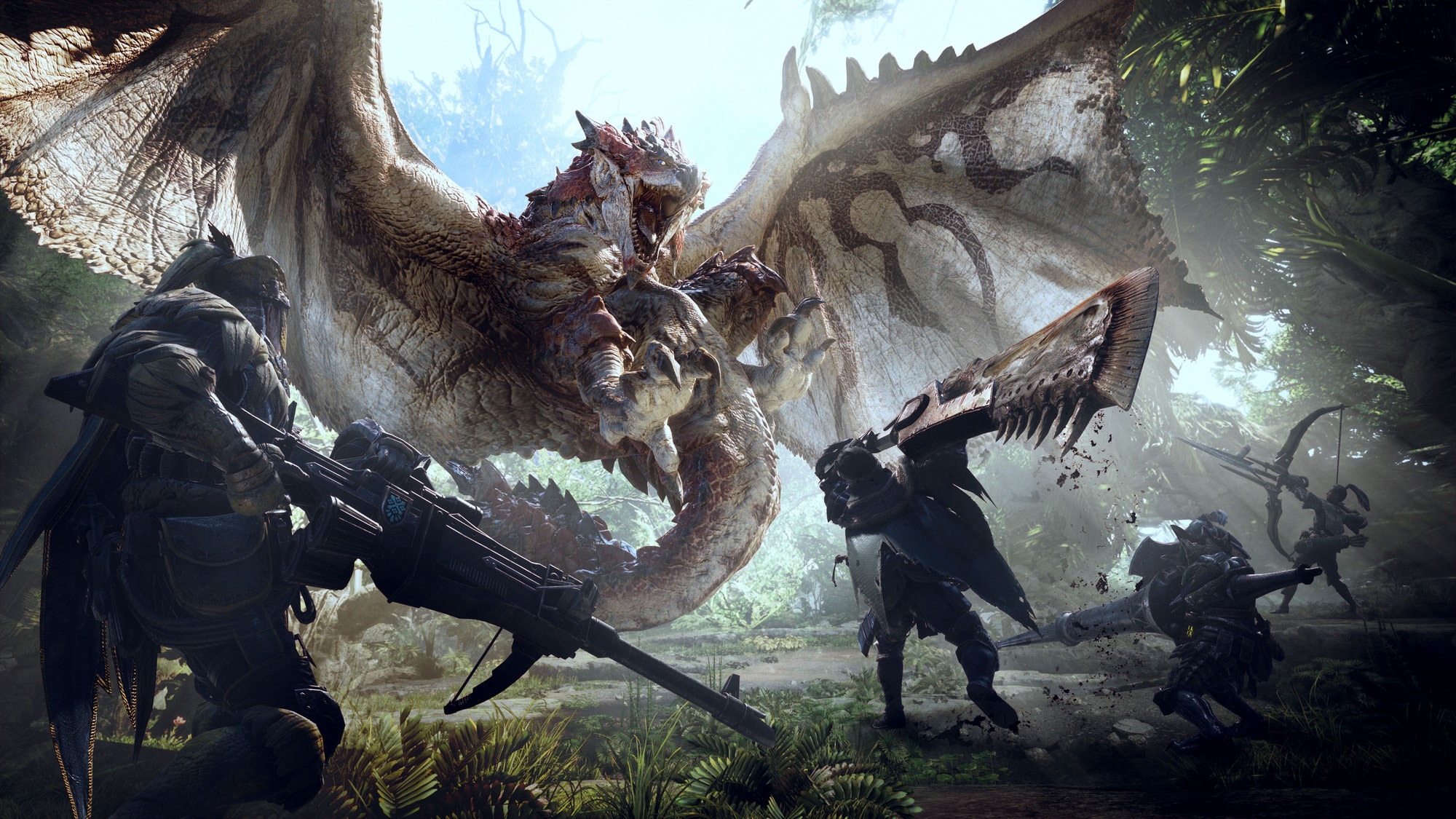
Up to four hunters can join a quest, allowing groups to combine different weapons and abilities. A Hunting Horn user can provide buffs, while a Lance user concentrates on maintaining pressure and another hunter attacks vulnerable parts with a ranged weapon.
SOS Flares allow players to request assistance during hunts. Other hunters can make difficult encounters easier, but monsters gain health in multiplayer, so bringing more players doesn't automatically guarantee a quicker hunt.
Story progression creates an unnecessary obstacle. Players must watch certain monster introduction cutscenes before other hunters can join their assigned quests. Friends attempting to progress together may need to start missions separately, watch the required scenes, and then regroup. Coordinating traps, keeping teammates alive with healing items, and attacking a downed monster together are some of World's most enjoyable moments.
Iceborne Adds Excellent Monsters but Makes the Clutch Claw Too Important
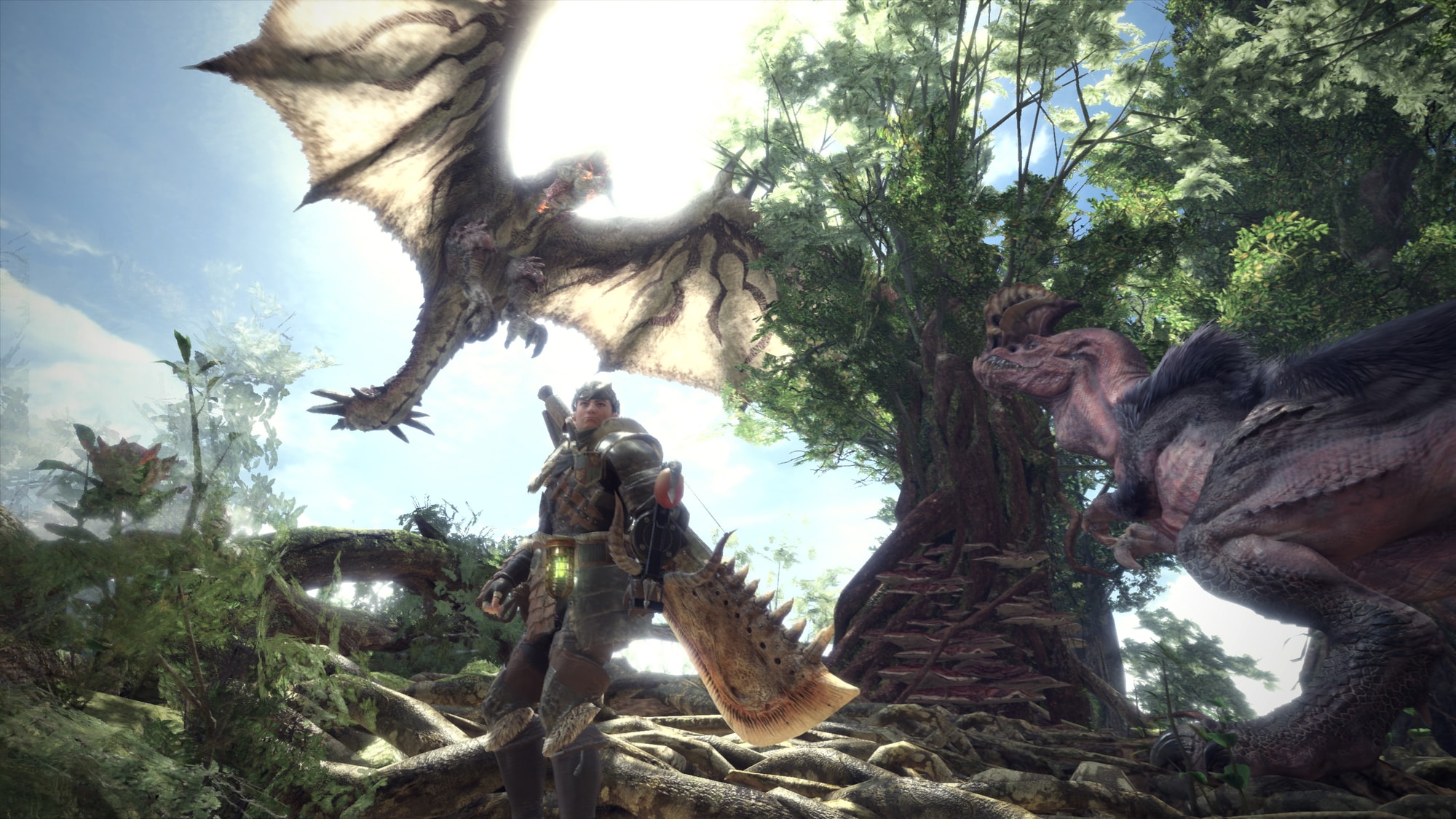
Iceborne introduces Hoarfrost Reach, Master Rank equipment, and significantly stronger monsters. Barioth's rapid movements and sweeping attacks demand careful positioning, while Tigrex charges aggressively across the battlefield. Velkhana introduces dangerous ice attacks that punish hunters who fail to recognize its patterns.
The expansion also adds the Clutch Claw, allowing hunters to grapple onto monsters, soften body parts, and launch enemies into walls. Wall attacks can create major openings, particularly against difficult Master Rank opponents.
The Clutch Claw grows tedious when you have to keep tenderizing the same body parts to maintain damage. Its targeting can also be unreliable, especially when attempting to grab a particular body part during an aggressive encounter. The Clutch Claw Boost skill helps, but you still have to interrupt the fight to tenderize monster parts.
Iceborne's endgame includes the Guiding Lands, where hunting monsters and increasing regional levels unlock additional materials and upgrades. Later additions such as Alatreon and Fatalis provide extremely demanding encounters, although the grind for augment materials and decorations can consume enormous amounts of time.
Monster Hunter: World Is Still About Learning the Monster, Not Just Building Better Gear
Monster Hunter: World rewards patience and practice in a way few action RPGs manage. Learning a monster's attacks, recognizing an opening, and finally defeating an enemy that once seemed impossible remains satisfying even after dozens of hunts.
The forgettable story, cumbersome menus, and exhausting equipment grind make the experience less enjoyable than it should be. Iceborne adds some of the game's best fights, though its reliance on the Clutch Claw introduces frustrations of its own. Even with those shortcomings, the combat is strong enough to make returning to familiar monsters worthwhile.
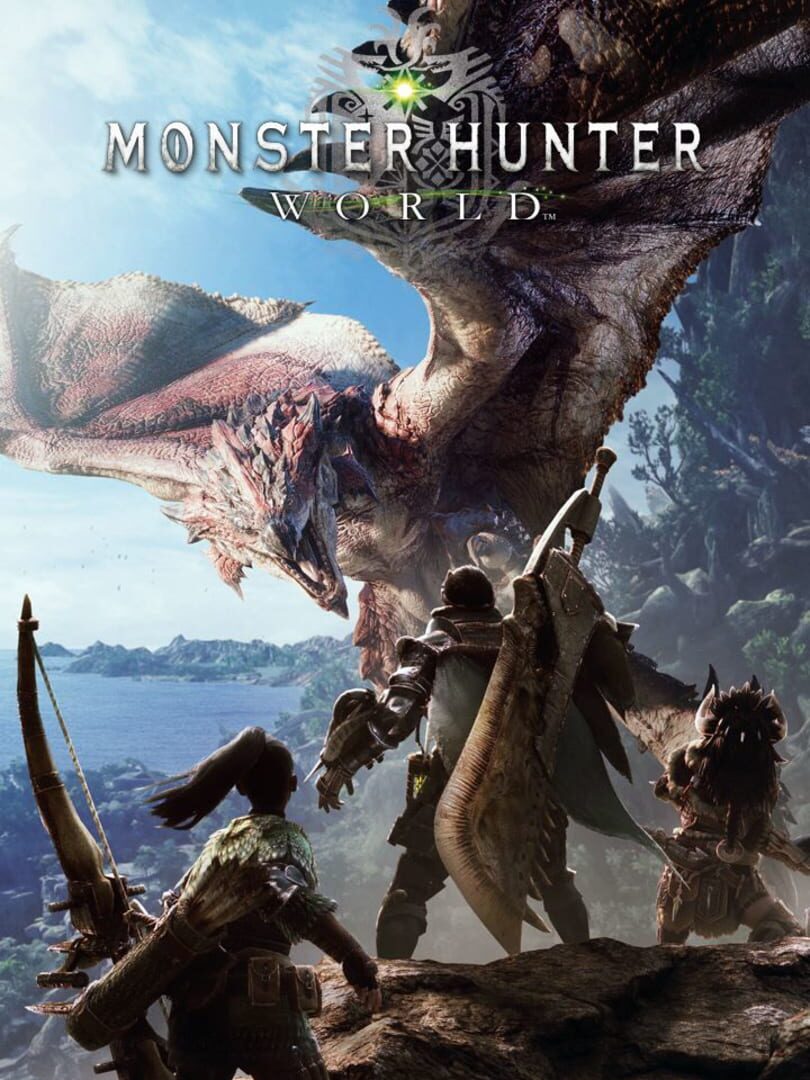
Welcome to a new world! Take on the role of a hunter and slay ferocious monsters in a living, breathing ecosystem where you can use the landscape and its diverse inhabitants to get the upper hand.


