HoYoverse turned anime-inspired RPGs into a global gaming empire
From Honkai Impact 3rd to Genshin Impact and Star Rail, HoYoverse built a worldwide audience on constant updates and drew a $20 million FTC settlement.
The company behind Genshin Impact and Honkai: Star Rail built an international audience through expansive worlds and regular updates, although its reliance on character-based monetization has attracted growing scrutiny.
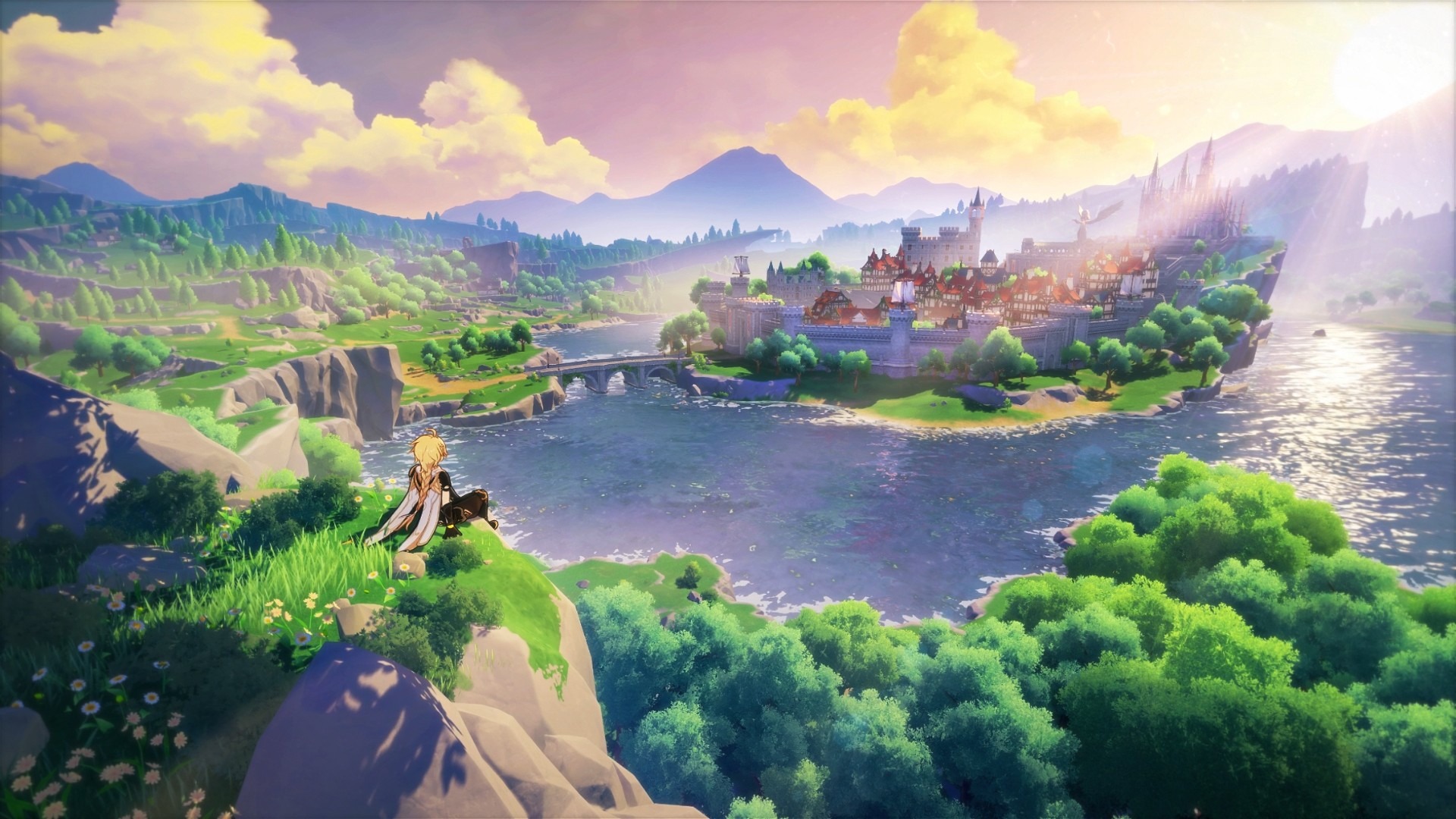
When Genshin Impact launched in September 2020, it offered a colorful open world that players could explore for free. Its enormous landscapes and elemental combat felt closer to a traditional console RPG than a typical mobile game. Within six months, it had generated more than $1 billion in mobile player spending.
The success transformed Chinese developer miHoYo into an international gaming powerhouse. Its global HoYoverse brand followed in 2022, while Honkai: Star Rail demonstrated that the company could reach another enormous audience with a different combat system. Both games continue expanding years after release, supported by a business model that has also generated controversy.
Profile Snapshot
- Origins: miHoYo, established in Shanghai in the early 2010s
- Global brand: HoYoverse, introduced in February 2022
- Headquarters: Singapore for HoYoverse’s global operations, with development roots in Shanghai
- Ownership: HoYoverse operates within the privately held miHoYo business
- Major franchises: Honkai, Genshin Impact, and Zenless Zone Zero
- Publishing company: Cognosphere Pte. Ltd.
- Upcoming projects: Petit Planet and Honkai: Nexus Anima
Honkai established the company’s anime identity
Before Genshin Impact, miHoYo was a relatively small Chinese developer focused on anime-inspired games. Its founders were university graduates with an interest in Japanese animation and interactive entertainment.
One of its earliest successes was Honkai Impact 3rd, released in China in 2016. The mobile action RPG followed a group of characters fighting supernatural threats through fast-paced combat.
Players could switch between characters with different abilities, building teams around particular fighting styles. The game also featured elaborate animated sequences that helped develop its ongoing story.
The anime-inspired presentation quickly became recognizable. Characters had detailed costumes and expressive animations, while the science-fiction narrative expanded through updates and related media.
Rather than releasing a finished adventure and immediately moving on, miHoYo continued developing Honkai Impact 3rd after launch. New characters arrived alongside additional story chapters, giving players reasons to return.
The company also developed a business model around obtaining playable characters through randomized rewards, commonly known as gacha mechanics.
That combination of ongoing storytelling and character collection would become central to its later games. However, miHoYo still needed a breakthrough that could attract players beyond its established mobile audience.
Genshin Impact brought HoYoverse to the world
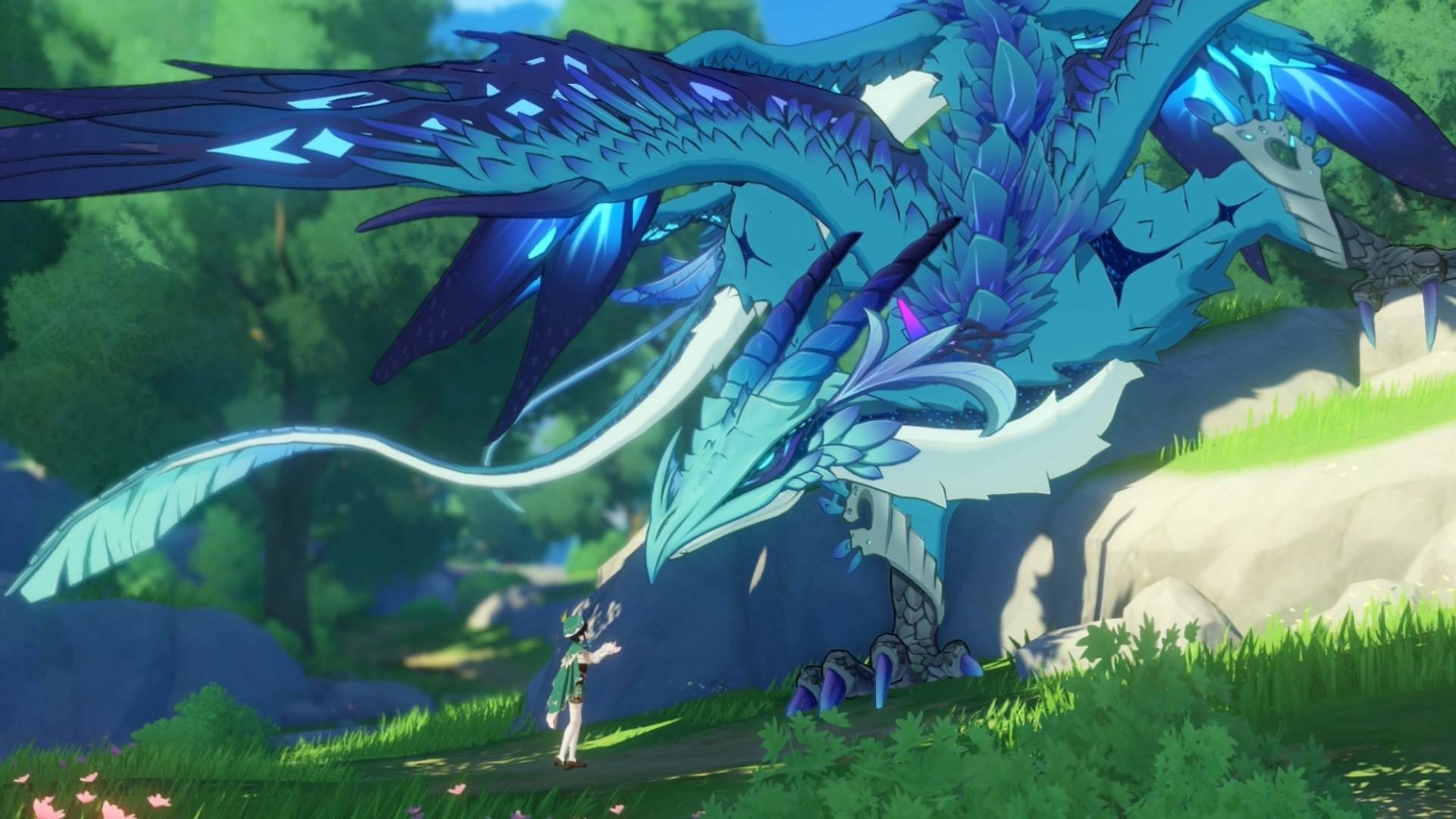
Genshin Impact launched worldwide on September 28, 2020, introducing the fantasy world of Teyvat. Players controlled the Traveler, an adventurer searching for their missing sibling while exploring different nations inspired by real-world cultures.
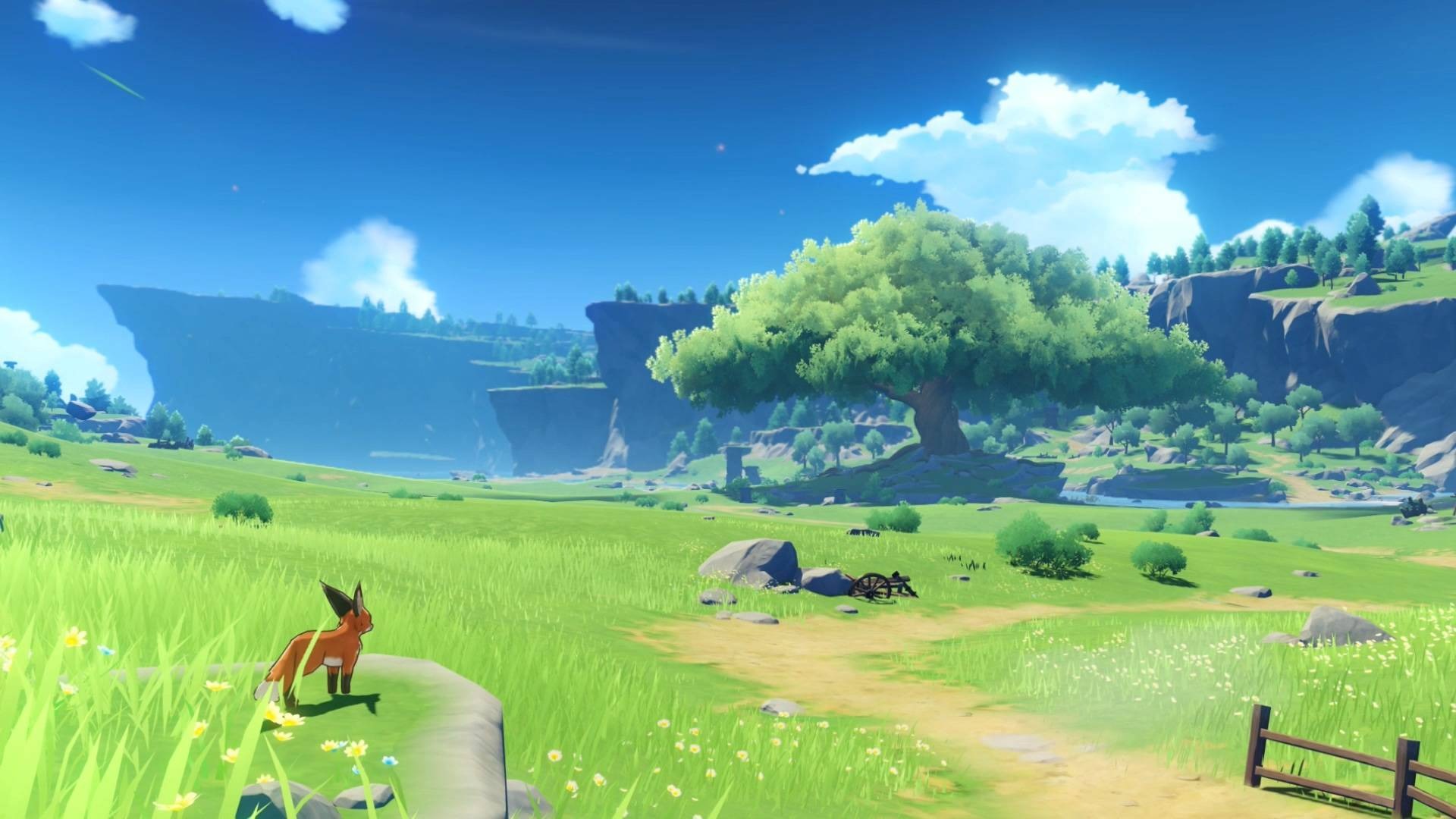
The game’s biggest attraction was its open world. Players could climb mountains, glide across enormous valleys, and discover hidden puzzles without following a strictly linear path.
Combat revolved around elemental interactions. Combining Hydro and Cryo abilities could freeze enemies, while Pyro attacks could trigger powerful reactions with other elements.
Players assembled teams of four characters, switching between them during encounters to create different combinations.
The gameplay was accessible enough for newcomers but offered considerable depth through equipment and character builds. Its availability across mobile, PC, and PlayStation also allowed HoYoverse to reach audiences that rarely played the same games.
Commercially, the results were extraordinary. According to Sensor Tower, Genshin Impact generated more than $3 billion in player spending through the App Store and Google Play by May 2022. That figure excluded several major purchasing channels.
The success also helped establish HoYoverse as a global entertainment brand in February 2022. The new identity supported international publishing and community activities, with Singapore becoming the center of its global operations.
Regular updates kept Genshin Impact growing
Genshin Impact was designed around continuous expansion rather than a conventional sequel.
Major updates introduced new areas, characters, and story chapters. Early adventures focused on Mondstadt and Liyue, while later expansions opened regions such as Inazuma and Sumeru.
Each nation introduced different landscapes and cultural influences, giving players new environments to explore without abandoning their existing progress.
The updates also expanded the game’s combat possibilities. New characters introduced abilities that encouraged players to experiment with different elemental combinations and team compositions.
HoYoverse supported the releases with extensive promotional campaigns, including animated trailers and character-focused videos.
Its musical production became another recognizable feature. The company recorded orchestral soundtracks with international musicians, giving different regions their own musical identity.
Community engagement extended beyond the games themselves. HoYoLAB provided an official platform for discussions, fan artwork, and events, while conventions introduced players to the company’s characters through exhibitions and merchandise.
The approach helped Genshin Impact remain active long after its initial launch. However, maintaining such a large world required a continuous supply of content, creating expectations that every major update would introduce something worthwhile.
Honkai Star Rail proved the formula could work differently
When Honkai: Star Rail launched in April 2023, HoYoverse returned to the science-fiction setting associated with its earlier games.
This time, players traveled aboard the Astral Express, a mysterious train connecting different worlds. The story followed the Trailblazer and a growing group of companions exploring unfamiliar planets.
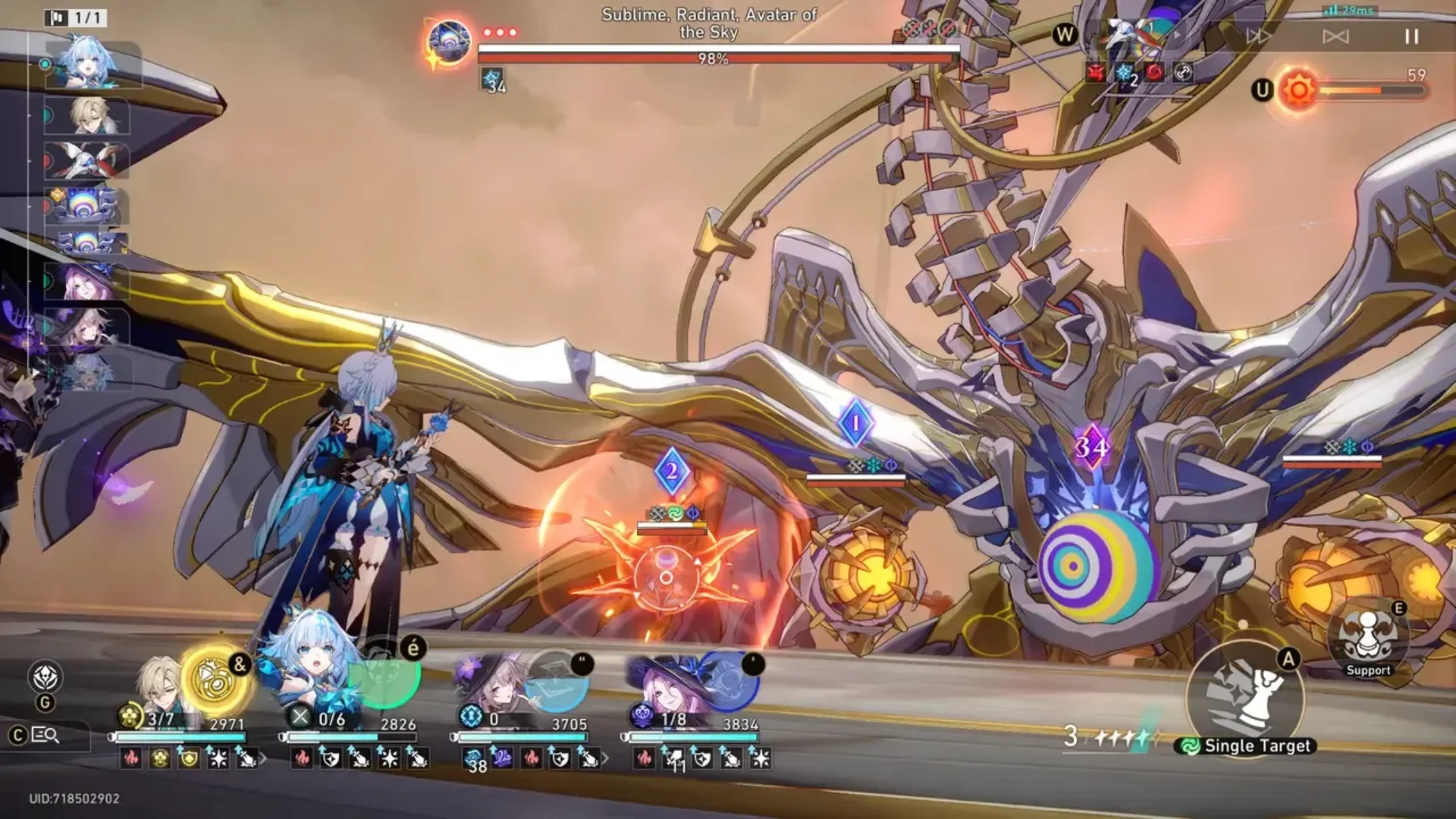
Unlike Genshin Impact, the game used turn-based combat. Characters acted according to a predetermined order, using special abilities and powerful Ultimate attacks.
Each character belonged to a particular combat Path and element, encouraging players to build teams around complementary abilities.
The slower combat created opportunities for strategic planning, while the colorful presentation and elaborate character animations retained the company’s familiar style.
HoYoverse also adopted a more structured approach to exploration. Individual locations contained smaller environments than Genshin Impact, allowing the developers to concentrate on scripted encounters and story sequences.
The game became another commercial success. It won Best Mobile Game at The Game Awards 2023, and HoYoverse reported more than 150 million downloads across all platforms by February 2026.
That figure represents downloads rather than individual active players, but it demonstrates the scale of the game’s reach.
The success confirmed that HoYoverse could build another major franchise without repeating Genshin Impact’s open-world structure.
Gacha monetization brought regulatory scrutiny
Although HoYoverse’s games are free to download, much of their revenue comes from optional purchases linked to character collection.
Players can spend premium currency on randomized opportunities to obtain new characters and equipment. Limited-time character banners encourage spending while particular rewards are available.
The system allows players to experience substantial portions of each game without paying, but obtaining specific characters can become expensive.
Criticism intensified in January 2025 when the US Federal Trade Commission announced a settlement involving Cognosphere, the company operating as HoYoverse in the United States.
The regulator alleged that Genshin Impact had misled players about the costs and probabilities associated with obtaining rare characters. It also accused the company of violating children’s privacy protections.
Cognosphere agreed to pay $20 million and introduce restrictions preventing children under 16 from purchasing randomized rewards without parental consent. The settlement also required clearer information about prices and probabilities.
The case highlighted a difficult aspect of HoYoverse’s business. Its character-driven storytelling encourages players to form attachments to fictional characters, while its monetization system can place those same characters behind expensive randomized purchases.
As the company expands internationally, balancing its commercial model with consumer protection remains a significant challenge.
HoYoverse is expanding beyond its biggest RPGs
HoYoverse continued diversifying its portfolio with Zenless Zone Zero in July 2024. The urban fantasy action RPG introduced faster combat and a modern city setting, giving the company another franchise distinct from Genshin Impact and Honkai: Star Rail.
By November 2026, both major RPGs were still receiving substantial updates. Genshin Impact had reached Version 7.2, expanding the Snezhnaya region, while Honkai: Star Rail continued its story through Version 4.7.
The company is also preparing Petit Planet, a life simulation game scheduled for December 4, 2026, alongside the announced creature-collection adventure Honkai: Nexus Anima.
These projects could introduce HoYoverse to players interested in different genres. Its central challenge remains maintaining several continuously expanding games while addressing the criticism surrounding their monetization. The company’s next releases will show how far its successful approach to character-driven entertainment can extend beyond the RPGs that established its global audience.