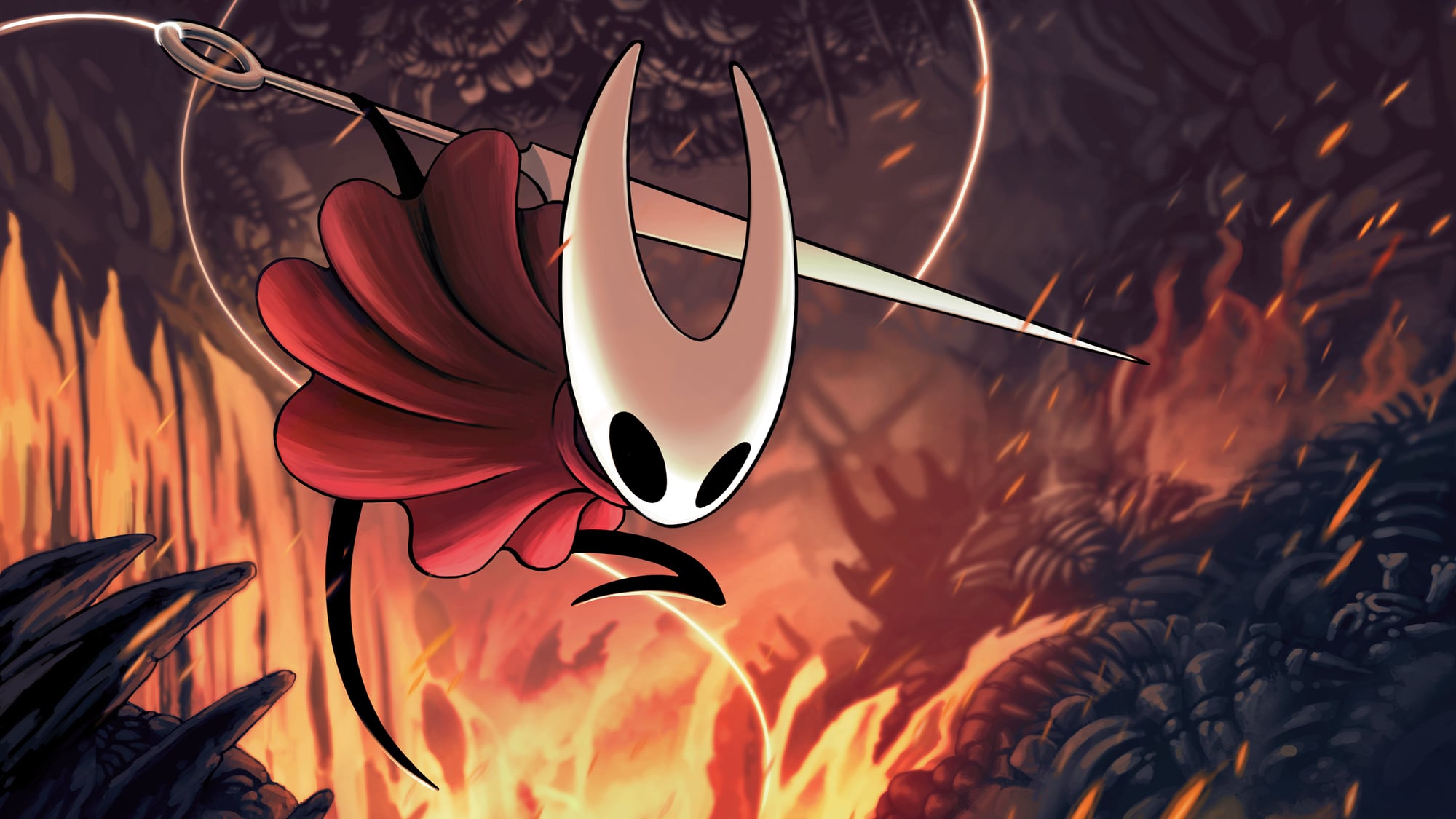
Team Cherry kept its studio small as Hollow Knight grew enormous
A tiny Adelaide team turned a game-jam idea into Hollow Knight and Silksong, and its independence is why both games took the shape they did.
The Australian developer behind Hollow Knight and Silksong turned a modest game-jam project into a major indie franchise, relying on a tiny team and an unusually patient development process.
When Hollow Knight: Silksong finally launched in September 2025, demand was so high that several major digital storefronts struggled to cope. The sequel had spent more than six years generating enormous anticipation, despite relatively few updates from its creators.
For Team Cherry founders Ari Gibson and William Pellen, Hollow Knight's commercial success meant they could develop Silksong largely on their own terms. Rather than expanding into a large studio or committing to a strict release schedule, they continued working with a small team, refining and expanding the game until they were satisfied.
It was an approach that gave them considerable creative freedom, even if fans sometimes struggled with the lack of updates.
Profile Snapshot
- Origins: Formed through game-jam collaborations in Adelaide, Australia
- Co-founders: Ari Gibson and William Pellen
- Headquarters: Adelaide, South Australia
- Core team: Gibson, Pellen, and programmer Jasmine Vine
- Ownership: Independent developer and publisher
- Signature games: Hollow Knight (2017) and Hollow Knight: Silksong (2025)
- Latest reported sales: Over 15 million copies of Hollow Knight by August 2025 and seven million copies of Silksong by December 2025
Hollow Knight started with a small game-jam idea
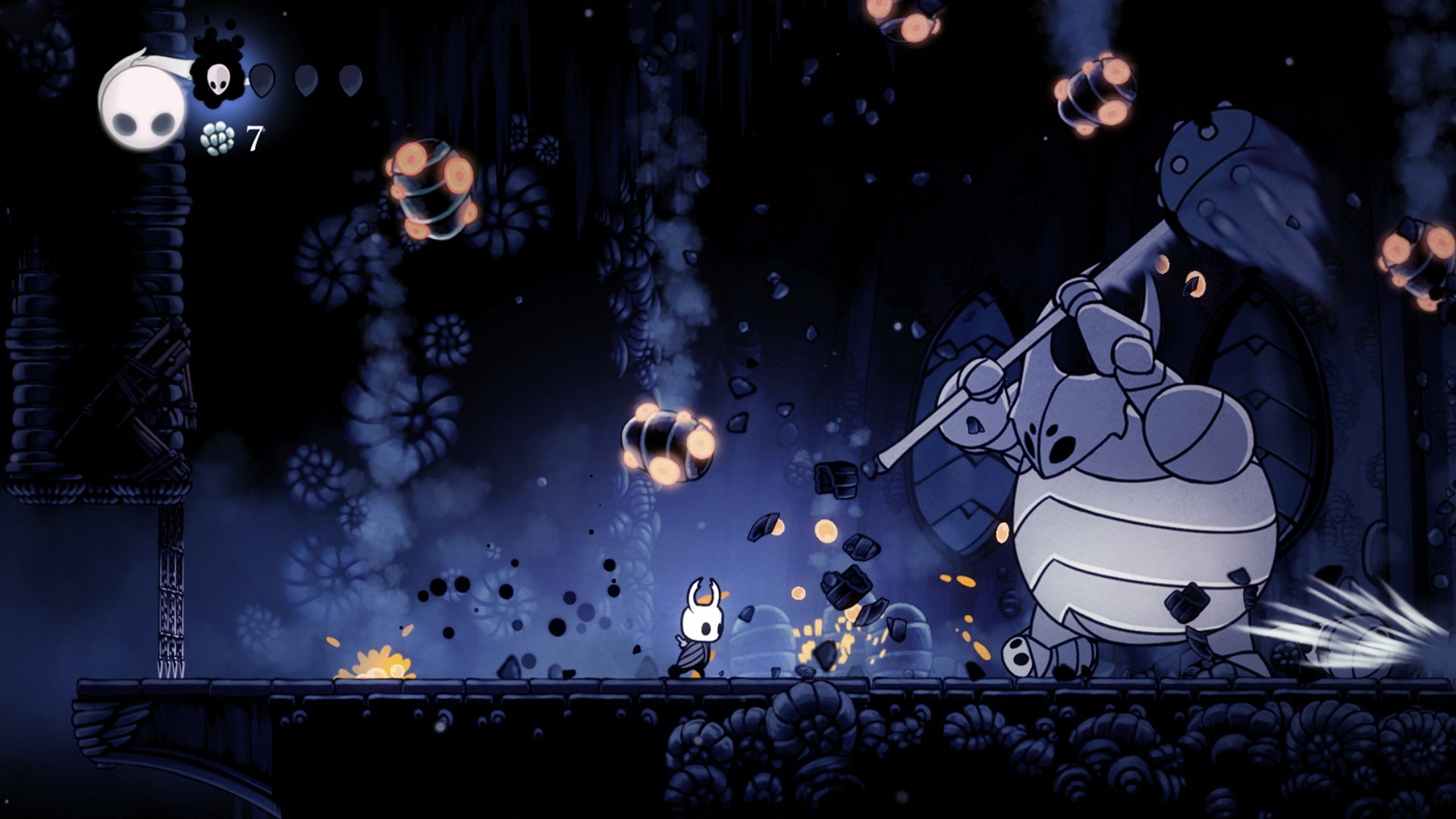
Before creating Hollow Knight, Ari Gibson and William Pellen experimented with smaller projects during game jams. Their most important early collaboration was Hungry Knight, a simple action game developed for Ludum Dare in 2013.
It introduced a small, pale-faced insect warrior who fought enemies to survive. The mechanics were basic, but the character and setting provided a foundation for something considerably larger.
The pair began developing a new adventure inspired by classic games such as Metroid and Zelda II. Their idea was to create an underground insect kingdom that encouraged players to explore without constantly being told where to go. In November 2014, Team Cherry launched a Kickstarter campaign seeking AU57,138 from 2,158 backers, allowing the project to expand.
The team also brought in additional expertise, including technical director David Kazi and composer Christopher Larkin. Their contributions helped turn the initial concept into a complete commercial release.
Hollow Knight eventually launched on PC in February 2017, introducing players to Hallownest, a ruined kingdom filled with dangerous creatures and mysterious inhabitants.
Hallownest rewarded players for getting lost
Hollow Knight stood out through its interconnected world. Players began with limited abilities, gradually unlocking new movement options that opened previously inaccessible areas.
A dash might allow the Knight to cross a dangerous gap, while a wall-climbing ability could reveal an entirely new route. Returning to familiar locations often uncovered secrets that were impossible to reach earlier.
Team Cherry deliberately avoided providing too much guidance. Players needed to purchase maps from a wandering cartographer named Cornifer and update them while resting at benches.
The approach made exploration rewarding, although finding the next destination could occasionally become frustrating. Hallownest was large enough that losing your bearings was a genuine possibility.
Combat was similarly demanding. The Knight used a simple nail weapon, while spells and healing consumed the same resource, called Soul. Players had to decide whether to recover health or spend that energy attacking enemies. Defeating bosses required learning their movements rather than relying on increasingly powerful equipment.
Death introduced another challenge. Losing a fight left behind a hostile Shade that players needed to defeat to recover their lost currency. The combination of precise movement and interconnected exploration gave Hollow Knight a distinctive identity. Its difficulty could be punishing, but discovering a hidden passage or finally overcoming a difficult boss made progress satisfying.

A small creative team gave Hollow Knight its atmosphere
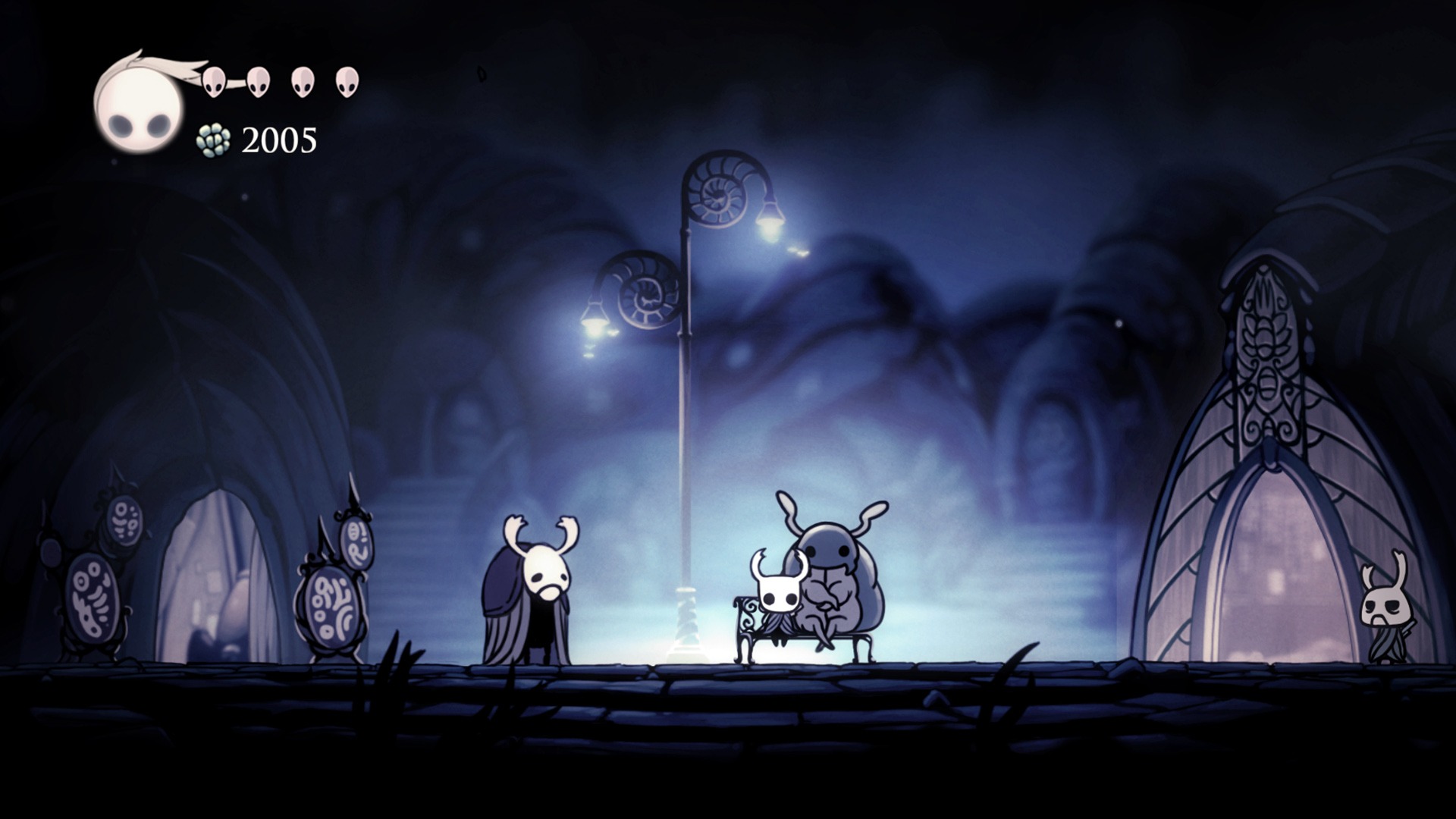
Although Team Cherry's development team remained tiny, the original game featured an unusually detailed visual style. Ari Gibson created hand-drawn environments and character artwork, giving Hallownest the appearance of an illustrated fantasy world. Its inhabitants ranged from harmless wandering insects to intimidating armored warriors.
The environments also communicated much of the story. The City of Tears featured abandoned architecture beneath constant rainfall, while the Forgotten Crossroads gradually changed as the kingdom's infection spread.
Rather than explaining every mystery through dialogue, Team Cherry allowed players to piece together the history of Hallownest from scattered clues. Christopher Larkin's soundtrack reinforced the atmosphere, moving between quiet piano melodies and more elaborate orchestral arrangements during boss encounters.
The game found a substantial audience after launch. Its Nintendo Switch release in June 2018 helped introduce it to more players, and the original eventually surpassed 15 million copies sold by August 2025. Team Cherry also continued supporting the adventure with free content updates, including Hidden Dreams, The Grimm Troupe, and Godmaster.
Its success gave the developers considerable financial independence, allowing them to approach their next project without the pressure of a traditional publisher's release schedule.
Silksong became much bigger than its original plans
Hollow Knight: Silksong began as downloadable content for the original game. Team Cherry initially wanted to introduce Hornet, a prominent character from Hollow Knight, as another playable protagonist.
However, Hornet's movement and combat abilities were significantly different from those of the Knight. The developers gradually expanded the idea into a separate adventure with its own kingdom. Announced in February 2019, Silksong would follow Hornet through Pharloom, a mysterious land filled with unfamiliar enemies and settlements.
Development continued for more than six years after the announcement. Team Cherry remained unusually quiet throughout much of that period, leading fans to speculate about possible setbacks.
In a 2025 interview with Bloomberg, Gibson and Pellen explained that development had continued steadily. They had simply kept introducing new ideas, gradually creating more environments and elaborate boss encounters.
The small team also preferred working on the game to providing updates that offered little new information. Even the developers repeatedly underestimated how long the project would take.
Their approach allowed considerable creative freedom, but it created a difficult communication problem. With little official information available, excitement around Silksong gradually turned into frustration for some fans.
Hornet changed the combat and raised the difficulty
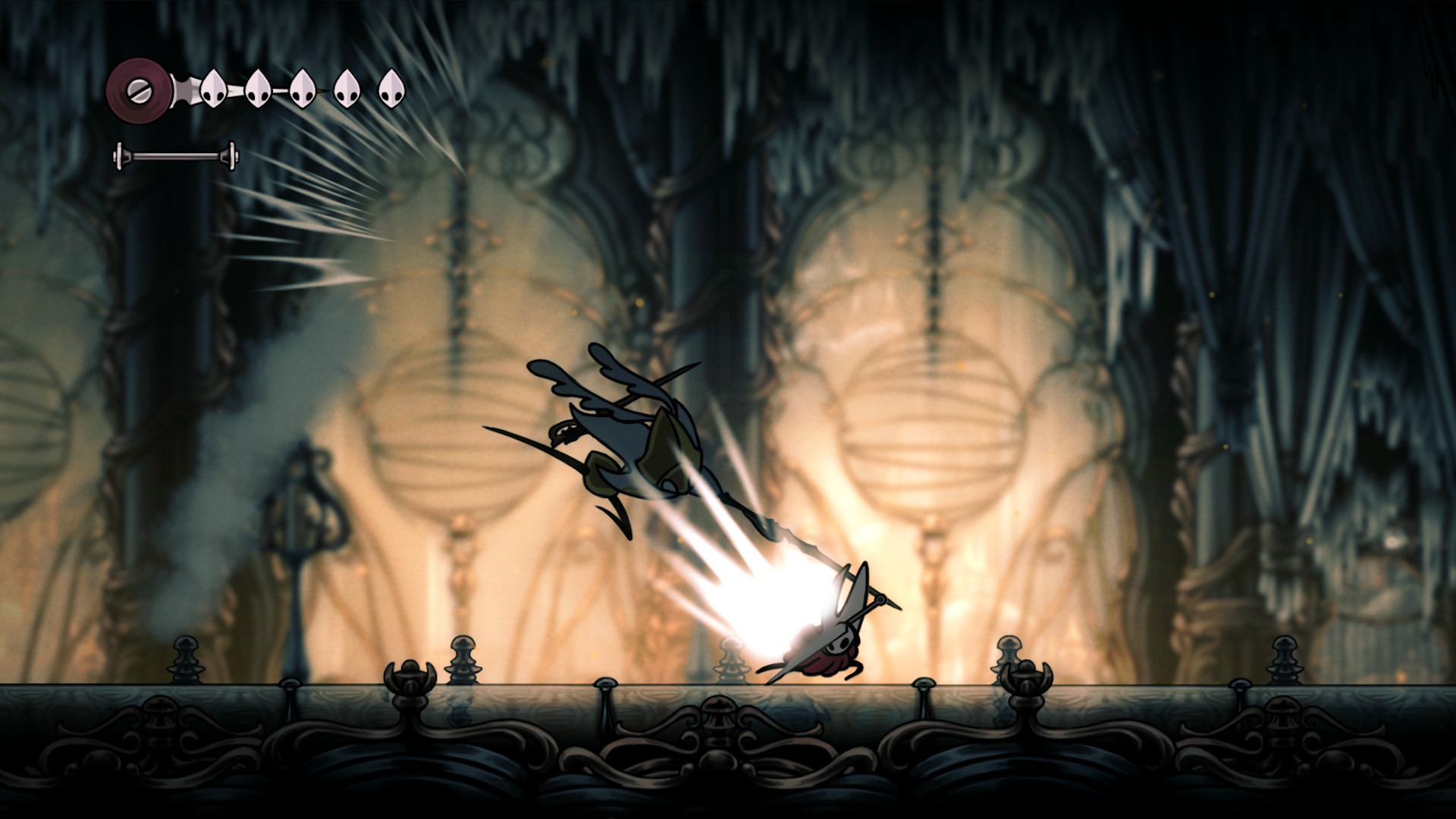
When Silksong arrived on September 4, 2025, players discovered an adventure that built on the original game's design while introducing several important changes.
Hornet was noticeably faster and more agile than the Knight. She could move through environments using acrobatic attacks, while her equipment included tools that supported different approaches to combat. The new Crest system also allowed players to modify Hornet's fighting style, providing greater variety in how they approached encounters.
Pharloom introduced a larger collection of enemies, many with complicated attack patterns. Even ordinary opponents could present a serious threat, requiring quick reactions and careful positioning.
The game received widespread critical acclaim for its artwork and elaborate world design. However, its difficulty became a major point of criticism.
Some players found the early bosses unnecessarily punishing, particularly when repeated deaths meant traveling long distances back to an encounter. The cost of certain checkpoints also made exploration frustrating.
Team Cherry responded with a September 2025 patch that slightly reduced the difficulty of two early bosses, Moorwing and Sister Splinter. The update also lowered some checkpoint costs and increased currency rewards. Despite those adjustments, Silksong remained considerably more demanding than many contemporary action-platformers.
Commercially, the sequel was an enormous success. By December 2025, Team Cherry confirmed that more than seven million copies had been purchased, alongside millions of additional players accessing the game through Xbox Game Pass.
Team Cherry continues expanding Silksong
Following Silksong's successful launch, Team Cherry announced Sea of Sorrow, a free expansion featuring new areas and bosses. The studio continued refining the game through updates in 2026, while the original Hollow Knight received enhanced versions for newer consoles.
No third game has been officially announced. The developers have discussed creating additional projects, but their immediate focus remains on Silksong. Team Cherry's unusual independence has allowed it to spend years developing ambitious games with a small creative team. With Sea of Sorrow still in development, the challenge is deciding when its increasingly elaborate world is finally complete.