Supergiant Games built a distinctive style without staying in one genre
From Bastion to Hades II, a small San Francisco studio kept its look, music and storytelling while changing genre with almost every release.
The independent studio behind Bastion and Hades has spent 15 years combining striking artwork, memorable music, and creative gameplay, even as its projects have grown considerably larger.
In Hades, dying sends Zagreus straight back to his father's house. Instead of simply restarting, he finds characters waiting with new conversations and reactions to his latest failed escape attempt. Even losing a fight can reveal another piece of the story.
It's a clever approach to a familiar game mechanic, and one that helped turn Hades into Supergiant Games' biggest success. Yet the San Francisco studio had been experimenting with unusual storytelling since Bastion in 2011.
Across five games, its small team has developed a recognizable identity without relying on the same gameplay formula every time.
Profile Snapshot
- Founded: 2009
- Founders: Amir Rao and Gavin Simon
- Headquarters: San Francisco, California, United States
- Ownership: Independent developer and publisher
- Key creative figures: Greg Kasavin, Jen Zee, and Darren Korb
- Team size: Approximately 25 developers during Hades II production
- Signature games: Bastion, Transistor, Pyre, Hades, and Hades II
Bastion gave seven developers their first breakthrough
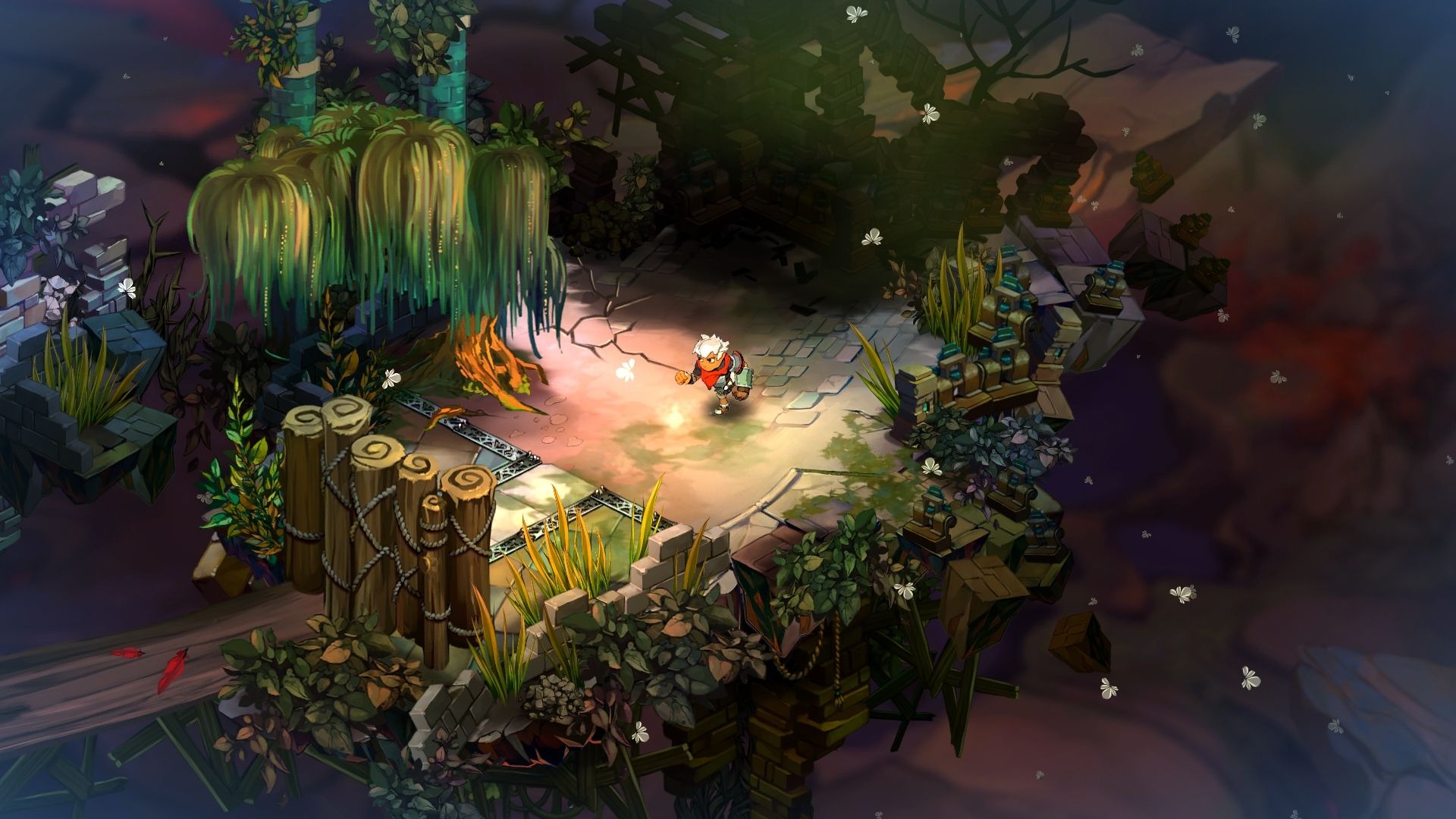
Supergiant Games started in 2009 when former Electronic Arts developers Amir Rao and Gavin Simon left the company to create something of their own. Working from a house in San Jose, they assembled a team of seven people and began developing an action RPG called Bastion.
The game launched in July 2011, introducing a colorful fantasy world recovering from a mysterious catastrophe. Players controlled a character known as the Kid, fighting through environments that assembled themselves beneath his feet.
Its defining feature was an unusual narrator. Voiced by Logan Cunningham, the mysterious Rucks commented on the player's actions in real time. He could react to unexpected behavior or describe events as they happened, making the story feel unusually responsive.
Art director Jen Zee gave the world a hand-painted appearance, while composer Darren Korb created a soundtrack combining acoustic instruments with electronic influences.
The different elements worked remarkably well together. By the end of 2011, Bastion had sold more than 500,000 copies and received widespread critical recognition. The success provided enough financial security for the original team to stay together and develop another game independently.
Transistor and Pyre refused to repeat the formula
Following Bastion, Supergiant could have produced another colorful action RPG with a mysterious narrator. Instead, Transistor arrived in 2014 with a completely different atmosphere.
Set in the futuristic city of Cloudbank, the game followed Red, a singer who had lost her voice. Its combat combined real-time action with a planning system called Turn(), allowing players to pause encounters and execute a sequence of carefully arranged attacks.
Jen Zee replaced Bastion's warm fantasy environments with elegant architecture and vivid science-fiction imagery. Darren Korb's music also changed, introducing electronic sounds and haunting vocals performed by Ashley Barrett.
The result was unmistakably different from Bastion, although its detailed presentation and unusual storytelling remained familiar. Supergiant took an even bigger creative risk with Pyre in 2017. The fantasy RPG followed a group of exiles competing in ceremonial contests called Rites, which played like a strange combination of basketball and tactical combat.
Winning could allow a character to escape exile, permanently removing them from the player's team. Those decisions affected both the gameplay and the unfolding story. Pyre received positive reviews, but its unusual mixture of sports mechanics and visual novel storytelling had a narrower appeal than conventional action games. The studio's next experiment would find a much larger audience.
The artwork and music became Supergiant's signature
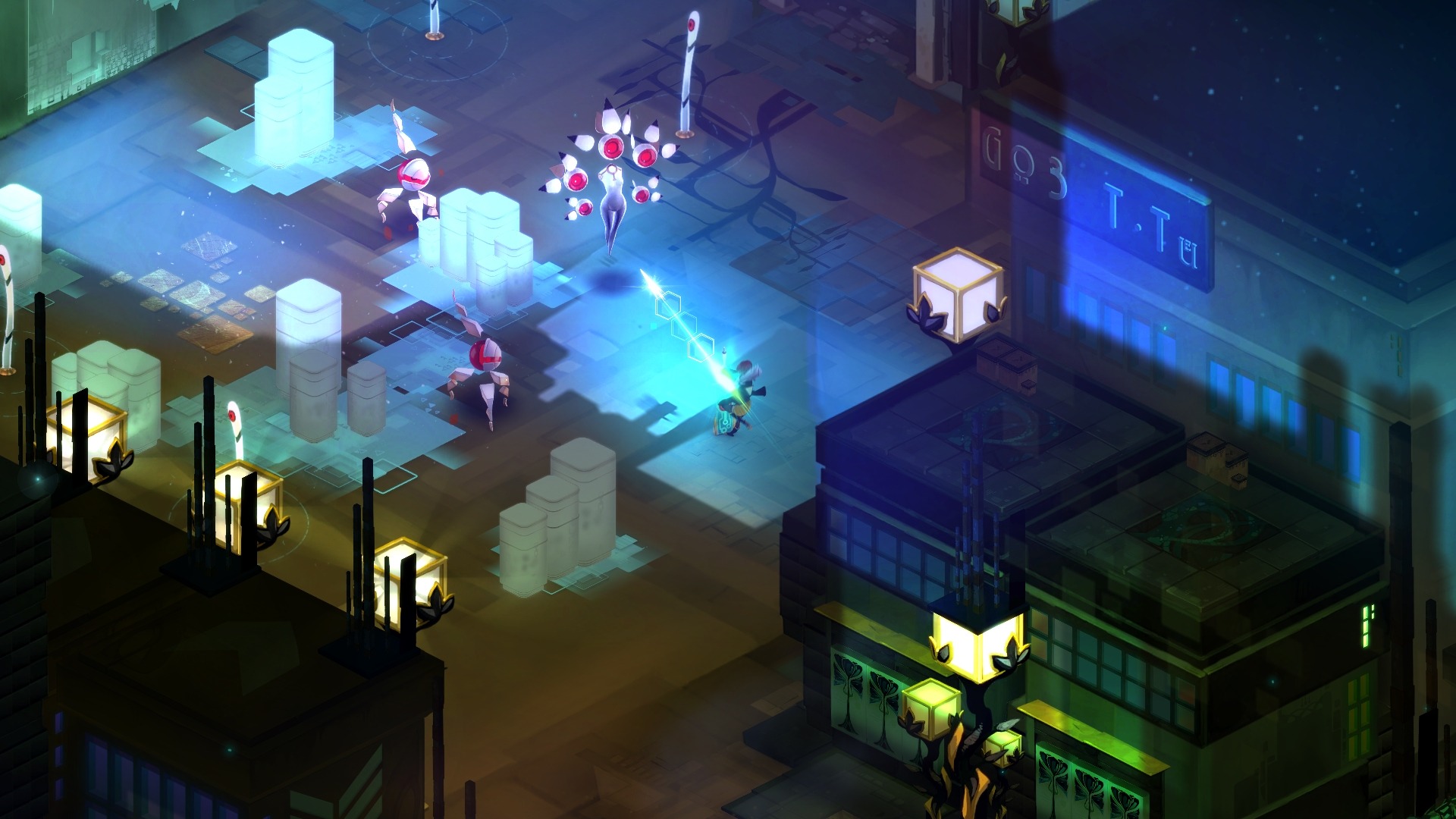
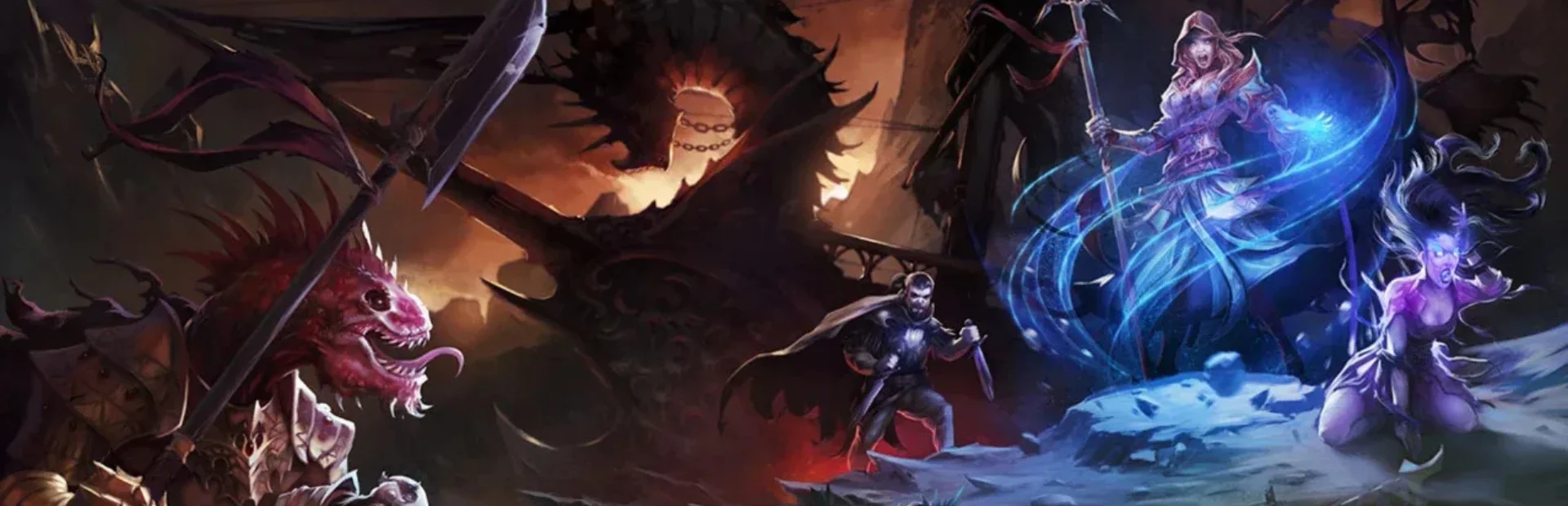
Although Supergiant repeatedly changed genres, much of its creative identity came from the same people working together. Jen Zee's artwork gave each release a distinct visual personality. Bastion featured illustrated fantasy landscapes, while Transistor used sleek futuristic environments. Pyre introduced elaborate character portraits and rich colors inspired by its mysterious fantasy setting.
The original Hades later brought Greek mythology to life through bold character illustrations and expressive animation. Gods such as Zeus and Aphrodite received distinctive designs that made them immediately recognizable.
Darren Korb's music evolved alongside the artwork. His soundtracks moved between acoustic guitar, electronic arrangements, and heavier rock influences depending on the setting. Ashley Barrett's vocals became another familiar element, appearing across several games.
Writer Greg Kasavin provided similar continuity through the storytelling. Characters regularly reveal important details through conversations that unfold gradually rather than lengthy explanations.
The studio's approach depends heavily on these creative relationships. All seven original developers remained with Supergiant throughout Hades II, even as the wider team expanded. That consistency helped the developer build a recognizable style across games that otherwise had surprisingly little in common.
Hades turned repeated failure into storytelling
The studio's biggest transformation arrived with Hades, which entered Early Access in December 2018 before its full release in September 2020. The game followed Zagreus, the son of Hades, as he repeatedly attempted to escape the Greek Underworld. Every run involved fighting through changing rooms, collecting temporary abilities, and eventually facing increasingly difficult bosses.
Supergiant had found a particularly effective way to combine its existing strengths. The responsive combat built on Bastion, while the elaborate character interactions drew from lessons learned during Pyre.
The most important innovation involved the relationship between failure and narrative progression. When Zagreus died, he returned to the House of Hades, where characters remembered earlier conversations and responded to his progress. Players could develop relationships with the gods and gradually uncover the story through repeated attempts.
The studio also approached development differently. Early Access allowed players to experience unfinished versions and provide feedback, which helped Supergiant balance weapons and refine combat encounters. The finished game received enormous acclaim, winning Best Action Game and Best Independent Game at The Game Awards 2020.
Hades eventually became Supergiant's most successful release, demonstrating that its unusual storytelling could reach a much larger audience when combined with highly replayable combat.
Hades II brought the pressure of making a sequel
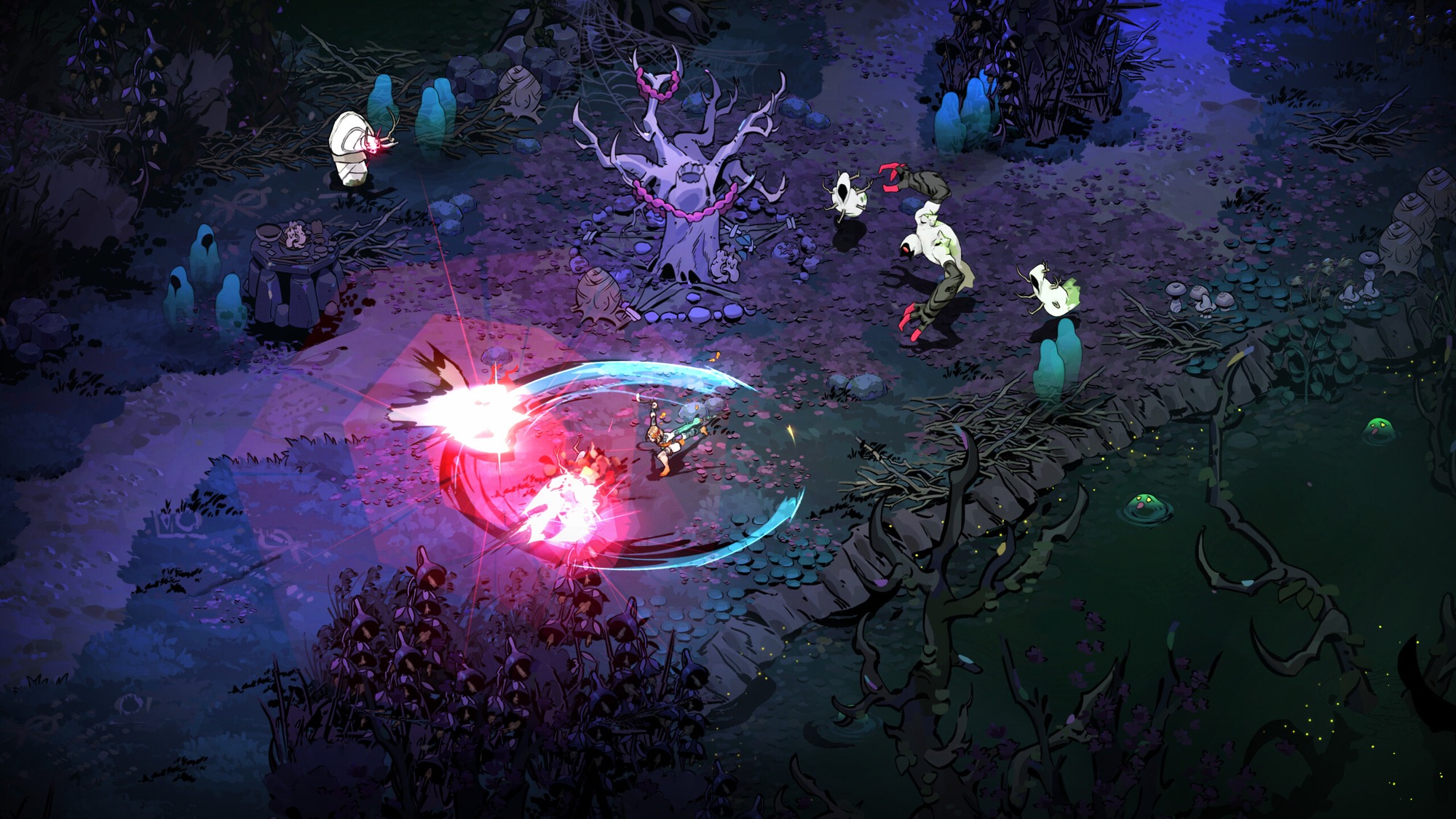
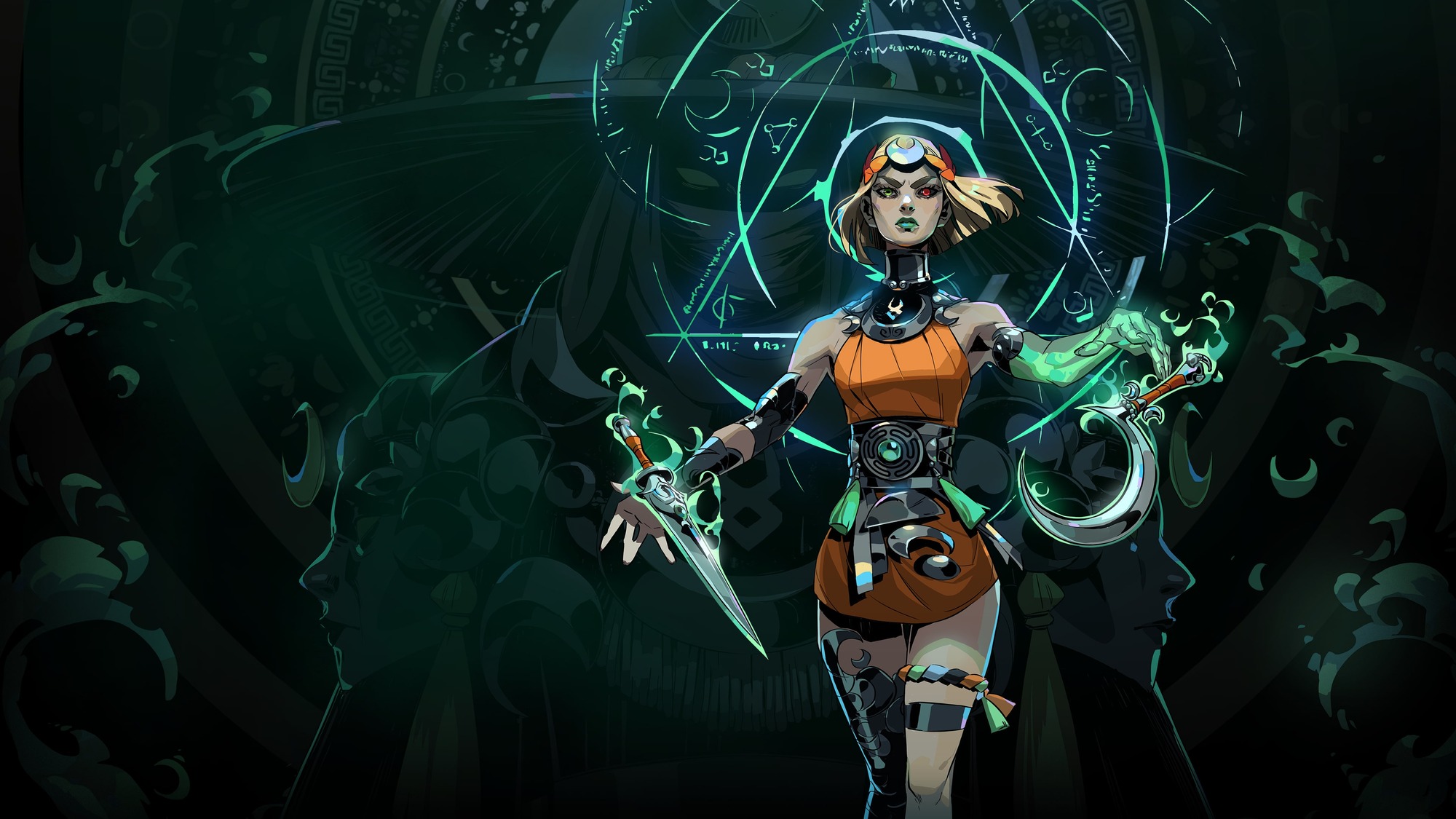
After four original games, Supergiant announced its first sequel in December 2022. Hades II followed Melinoë, Zagreus' sister, as she fought against Chronos, the Titan of Time.
The familiar combat returned, but the sequel introduced new weapons, magical abilities, and a much larger world. Players could explore two distinct routes, providing additional encounters and opportunities to experiment with different character builds.
Its artwork and music also expanded considerably. Jen Zee introduced new interpretations of Greek mythology, while Darren Korb created nearly four hours of original music, including orchestral pieces recorded at Abbey Road Studios.
However, developing a sequel presented challenges the studio had previously avoided. Hades II spent roughly four and a half years in production, including an Early Access period beginning in May 2024. The full version launched on September 25, 2025, receiving widespread critical acclaim and winning Best Action Game at The Game Awards.
Not every element was equally successful. Some players criticized the story's conclusion, arguing that important developments felt rushed. Supergiant responded in October 2025 with an update adding new events and revising parts of the ending. The reaction showed the difficulty of following a game whose storytelling had become such an important attraction. Players now expected another satisfying narrative alongside the familiar combat.
Keeping the team together after Hades II
Following the successful launch of Hades II, Supergiant expanded its audience further with PlayStation 5 and Xbox Series X|S versions in April 2026. The studio also marked the game's first anniversary with a new development documentary and recordings from its orchestral concert in London.
No next game has been officially announced as of November 2026. Studio director Amir Rao and creative director Greg Kasavin have indicated that the team wants time to reflect before deciding on its next major project.
After spending nearly a decade developing the two Hades games, Supergiant faces an interesting decision. It can continue expanding its most successful franchise or return to the experimentation that produced Bastion, Transistor, and Pyre. Whatever direction it chooses, maintaining the close creative relationships behind its artwork, music, and storytelling remains central to the studio's identity.