Hazelight Studios made cooperation the heart of its biggest games
Hazelight Studios has turned mandatory co-op into a winning formula, selling over 50 million games. With each release raising the bar, Josef Fares and his team face growing expectations for what comes next.
Hazelight Studios has built its reputation on a simple idea that few major developers have dared to pursue. Every game requires two people to play together. From A Way Out to It Takes Two and Split Fiction, the Swedish studio has turned that commitment into a remarkably successful approach to game development.
Under the direction of Josef Fares, Hazelight has continually experimented with what cooperative gameplay can offer. Its games regularly introduce new mechanics, give players different responsibilities, and weave their stories around the relationship between two characters. Split Fiction takes that approach even further, moving between science fiction and fantasy while constantly changing how players interact with the world.
The studio's success has also raised expectations. After three ambitious cooperative adventures, players have come to expect something genuinely different with each release. For Hazelight, the challenge is finding new ways to surprise them while staying true to the two-player formula that made the studio famous.
Profile Snapshot
- Founded: 2014
- Founder: Josef Fares
- Headquarters: Stockholm, Sweden
- Ownership: Independent studio, with Electronic Arts as publishing partner
- Team size: 86 employees, according to Hazelight’s website
- Signature games: A Way Out, It Takes Two, and Split Fiction
- Major achievement: More than 50 million copies sold across its three games as of April 2026
Brothers established Josef Fares’ approach to storytelling
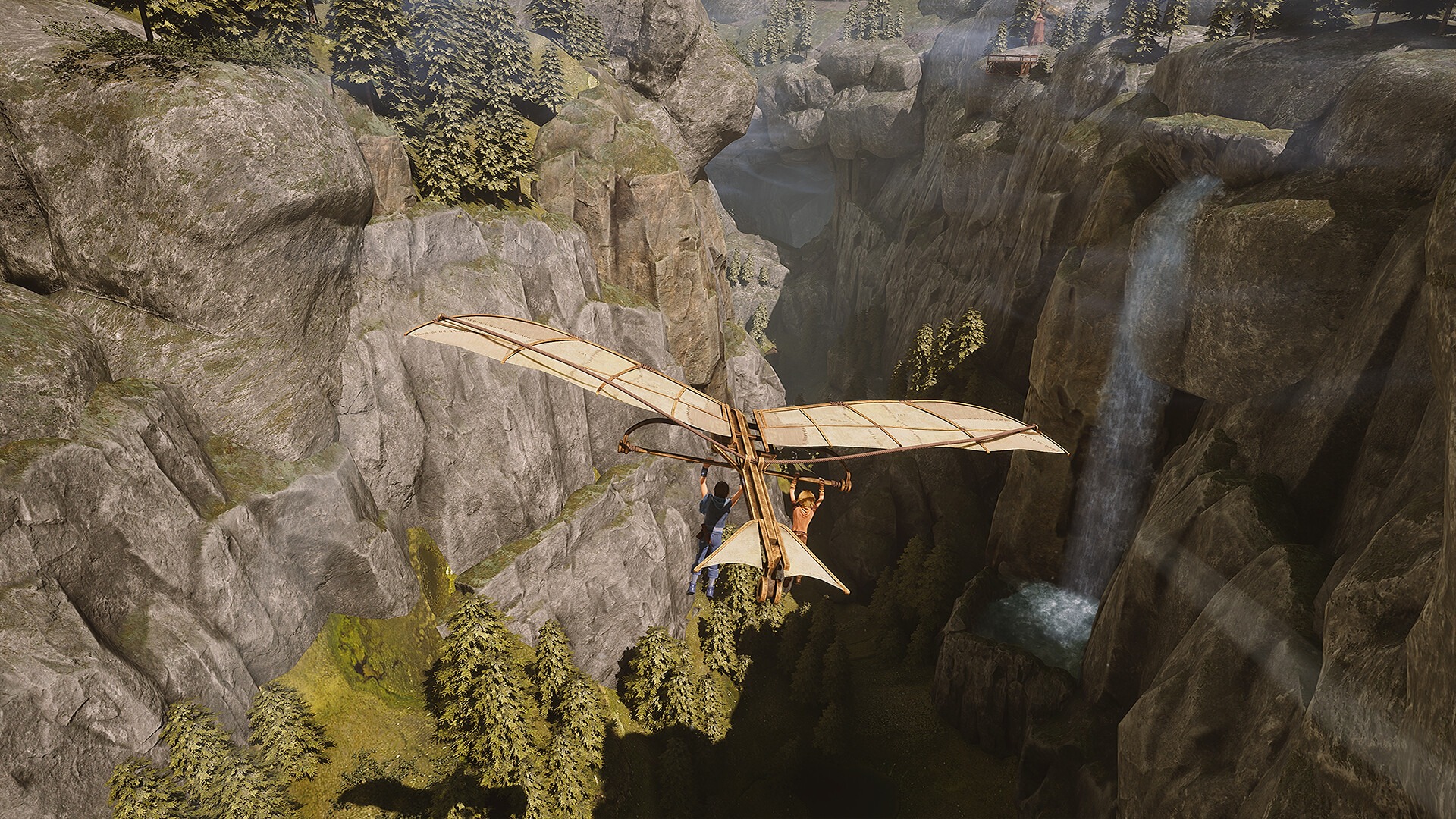
Before establishing Hazelight, Josef Fares was a Swedish film director interested in exploring storytelling through video games. His first project, Brothers: A Tale of Two Sons, arrived in August 2013 through a collaboration with Starbreeze Studios.
The adventure followed two brothers searching for a cure for their dying father. Its unusual control system allowed a single player to move both characters simultaneously, using separate analog sticks.
The brothers frequently needed each other’s help. One could reach places the other couldn’t, while certain puzzles required both characters to act together. Their relationship developed through these interactions rather than lengthy conversations.
The game received critical acclaim, particularly for its emotional storytelling and inventive controls. It also demonstrated how a relationship between characters could shape the mechanics of an adventure.
Fares founded Hazelight Studios in 2014, bringing the core development team from Brothers with him. However, the new studio would make one important change to the original concept. Instead of asking one person to control two characters, its games would require two actual players.
A Way Out made split-screen cooperation essential
Hazelight’s first release, A Way Out, arrived in March 2018 through Electronic Arts’ EA Originals publishing program. The adventure followed Leo and Vincent, two prisoners who reluctantly joined forces to escape and seek revenge against a shared enemy.
The game could only be played cooperatively, either locally or online. Both characters remained visible through a dynamic split-screen presentation, allowing players to experience different events simultaneously.
One memorable sequence required a prisoner to secretly remove a toilet from his cell wall while his partner watched for approaching guards. The player acting as lookout needed to warn their partner whenever someone came too close.
Other moments divided responsibilities differently. During conversations, one player could continue exploring while the other interacted with supporting characters.
The split-screen presentation also changed dynamically during action sequences. In a hospital escape, the camera moved between Leo and Vincent as they separately attempted to avoid pursuing police officers.
The unusual structure created opportunities for cooperation, although the game didn’t always make the most of them. Critics praised its inventive presentation but questioned the predictable story and occasional reliance on simple button prompts.
Nevertheless, A Way Out demonstrated that an adventure requiring two players could attract a substantial audience. By April 2026, it had sold 13 million copies.
It Takes Two turned relationships into gameplay
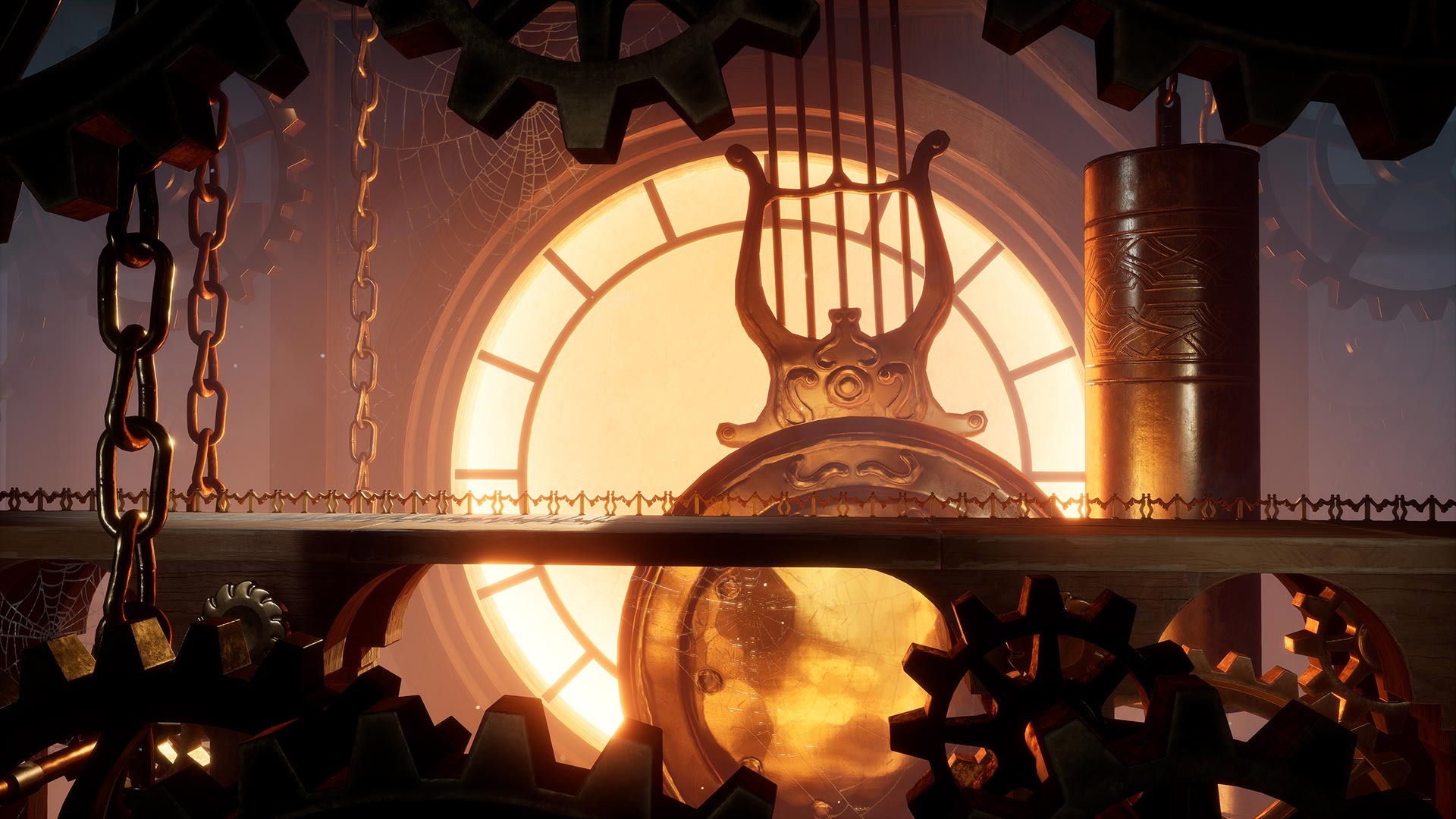
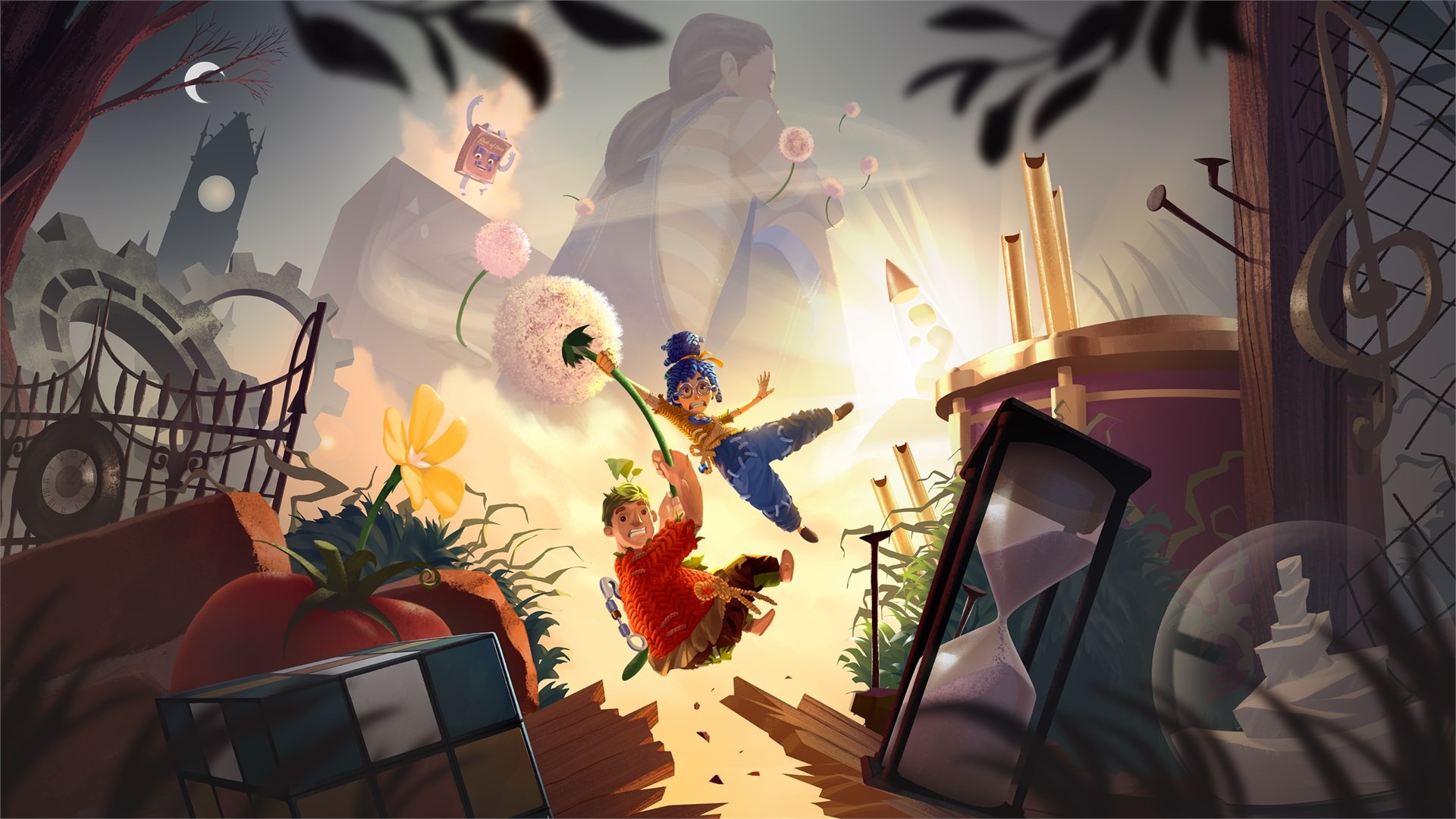
Hazelight expanded its approach with It Takes Two, released in March 2021. The game followed Cody and May, a married couple considering divorce who become trapped inside dolls created by their daughter.
To return to their bodies, the pair must navigate a strange world built around everyday household objects.
Unlike A Way Out, which emphasized cinematic storytelling, It Takes Two constantly introduced new gameplay mechanics. One section equipped Cody with explosive sap and May with a weapon capable of detonating it. Another gave the characters different abilities involving time manipulation and cloning.
These mechanics required cooperation but rarely lasted beyond their individual chapters. Hazelight preferred introducing a new idea to repeatedly expanding an existing system.
The approach created an unusual sense of variety. Players moved between platforming challenges and elaborate boss encounters, often encountering completely different mechanics within the same chapter.
The story also used cooperation to explore Cody and May’s troubled relationship. Their progress depended on working together, even when they disagreed about almost everything else. Some critics questioned the writing and its handling of the couple’s marriage. However, the game’s inventive level design received widespread praise.
It Takes Two won Game of the Year at The Game Awards 2021, becoming Hazelight’s biggest breakthrough. By April 2026, the game had sold 30 million copies, showing that mandatory cooperation could succeed well beyond a niche audience.
Hazelight makes both players equally important
Across its games, Hazelight repeatedly designs situations where each participant has a specific responsibility. Its characters rarely possess identical abilities. Instead, one player might control a mechanism while the other navigates an obstacle, requiring both to understand how their actions affect their partner.
The studio also avoids leaving either participant inactive for extended periods. Even during story sequences, the split-screen presentation can allow one character to move while the other participates in a conversation.
This approach makes communication an important part of the experience. Players must explain what they see and agree on how to approach certain challenges.
Hazelight has also worked to reduce the practical barriers to cooperative play. Its Friend’s Pass system allows someone who owns a game to invite another player online without requiring them to purchase a second copy.
The decision is particularly important for games with no single-player option. Requiring two purchases could discourage people from trying an unfamiliar style of adventure.
However, the studio’s commitment also limits its potential audience. Players without a willing partner cannot experience these games in the traditional way, while coordinating play sessions can be inconvenient. Hazelight has accepted that restriction rather than compromising its design philosophy.
Split Fiction pushed the formula further
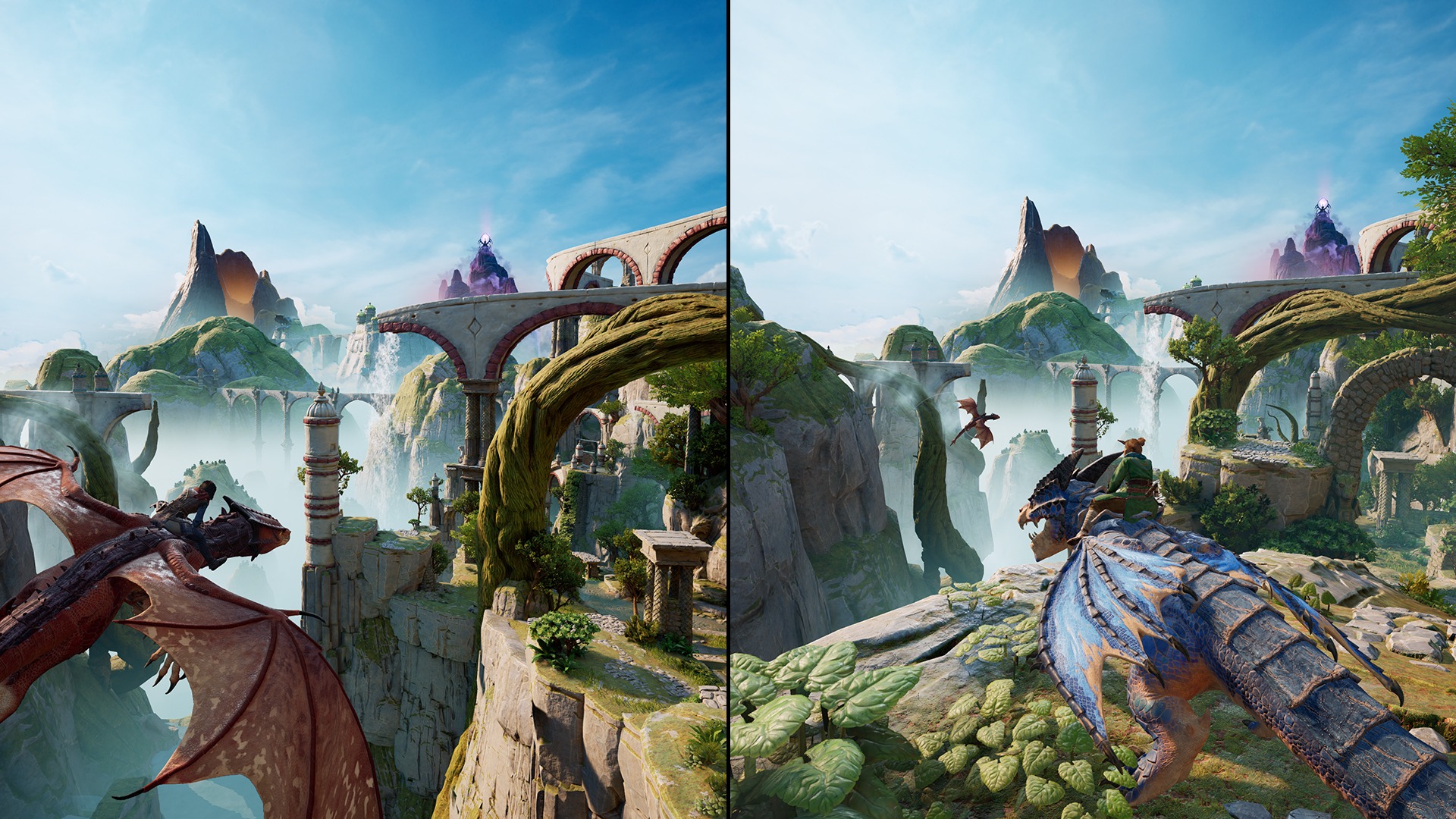
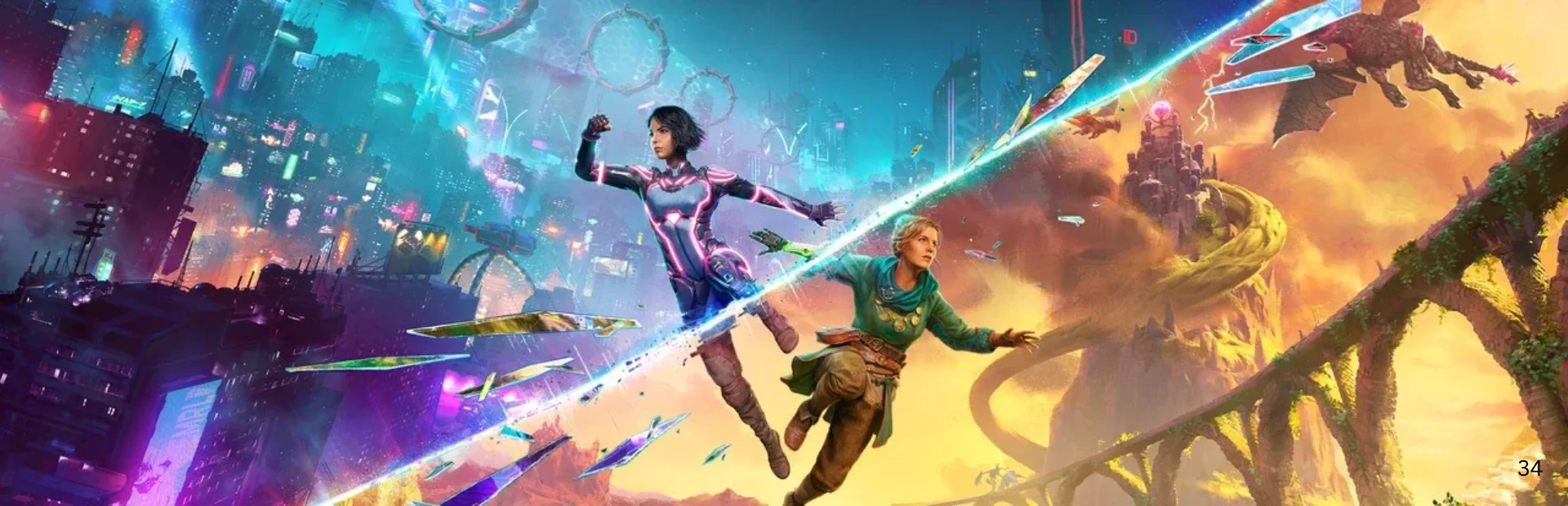
Released in March 2025, Split Fiction followed Mio and Zoe, two writers trapped inside simulated worlds created from their own stories. Mio specializes in science fiction, while Zoe writes fantasy. Their contrasting interests allowed Hazelight to alternate between futuristic environments and magical landscapes.
The result was an adventure that constantly changed its mechanics. Players could ride dragons through fantasy kingdoms before switching to high-speed action in futuristic cities.
Some sections introduced elaborate transformations, while others experimented with puzzles or shooting mechanics. Optional side stories offered even stranger scenarios, often abandoning the main adventure’s established rules.
The variety became Split Fiction’s defining attraction. Hazelight frequently introduced mechanics that could have supported entire games, then discarded them after a relatively short sequence. The studio also introduced cross-platform play, allowing friends on different supported systems to experience the adventure together through Friend’s Pass.
Critics praised the inventive level design and energetic pacing. However, the story received a more mixed response, with some reviewers finding the protagonists less compelling than the gameplay surrounding them. Commercially, the sequel established another success. Split Fiction sold one million copies within 48 hours of release and reached seven million by April 2026.
Hazelight’s next game faces higher expectations
Hazelight is already developing its fourth game, although the studio has yet to reveal its title or gameplay. Its official website confirms that development is underway, while Josef Fares has indicated that the team intends to continue exploring new ideas.
The studio’s three releases have sold more than 50 million copies combined, giving Hazelight a strong position despite its relatively small size.
Its next challenge is maintaining the creativity that made It Takes Two and Split Fiction successful. Each release has raised expectations for unusual mechanics and shared experiences, leaving Hazelight with the difficult task of surprising players who now know exactly how inventive its games can be.